Warming Fuels Snakebite Rise as Species Shift Ranges — SkimNews

Get the Energy newsletter
Daily energy & climate — solar, EVs, oil, the policy fights and tech bets shaping the transition. Free.
- Ramathibodi Poison Center in Bangkok has seen snakebite-related calls jump from roughly 1,000 per year to about 1,500 over the past four years, with hotlines peaking during rainy season when floods force snakes into closer contact with humans.
- WHO estimates 5.4 million people are bitten by snakes annually, with ~138,000 deaths and 500,000 permanent disabilities; Asia accounts for up to 2 million envenomings yearly, and figures are likely underreported.
- Emory University research found the likelihood of being bitten by a snake increases with every degree Celsius rise in daily temperatures, and bites also spike during extreme weather events like droughts and floods.
- Venomous species are expanding their ranges: the brown spotted pit viper, historically limited to China, Taiwan, and India, is now being seen in Thailand, while India's "Big Four" are spreading into northern regions and the Western Ghats.
- Thailand's Queen Saovabha Memorial Institute has produced seven antivenoms and is the only Southeast Asian country with WHO-approved antivenoms, distributing them domestically at subsidized prices and to neighboring countries with the same species.
- WHO has set a goal to halve global snakebite deaths and disabilities by 2030, but acknowledged "critically short supplies" of effective antivenoms in many worst-affected regions — partly because antivenoms must match regional venom variations.
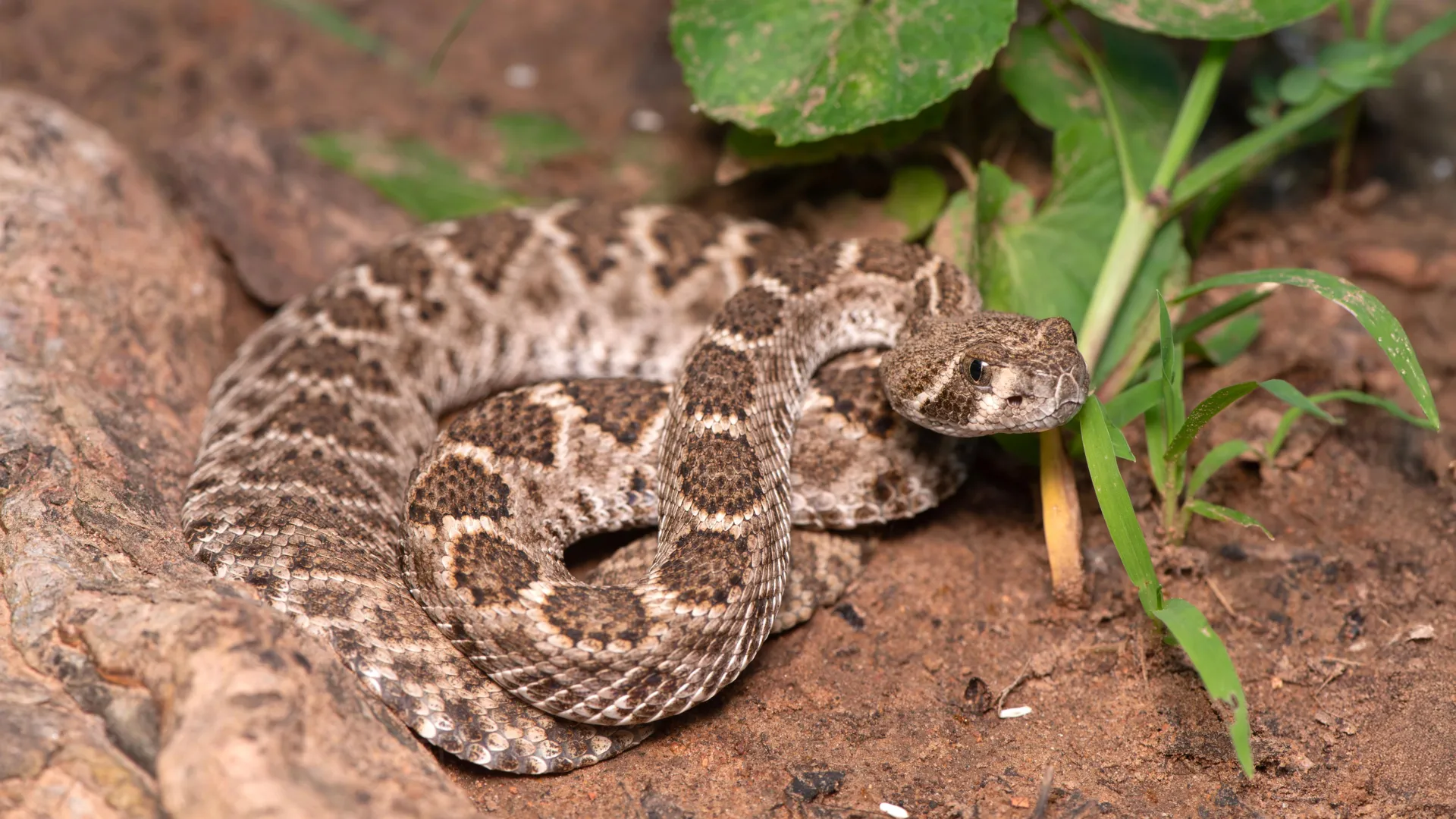
- In the United States, rattlesnakes in Arizona are emerging from dormancy as early as March, North Carolina logged more bites during a warmer April last year, and Georgia hospital visits for snakebites are climbing with temperatures.
Why it matters: With venomous species expanding across borders and antivenoms tailored to regional venom variations — a Thai cobra antivenom may not work in Tanzania — the 50% rise in Thailand's snakebite calls signals a pattern that lower-income countries already facing 'critically short supplies' will struggle to match. Thailand's WHO-approved model and the 2030 reduction target depend on investments most affected countries haven't yet made.
Ask SkimNews