China Drills Nuclear Response as Taiwan War Risks Mount — SkimNews

Get the Geopolitics newsletter
Daily geopolitics — wars, elections, sanctions, the diplomatic moves that move markets. Free.
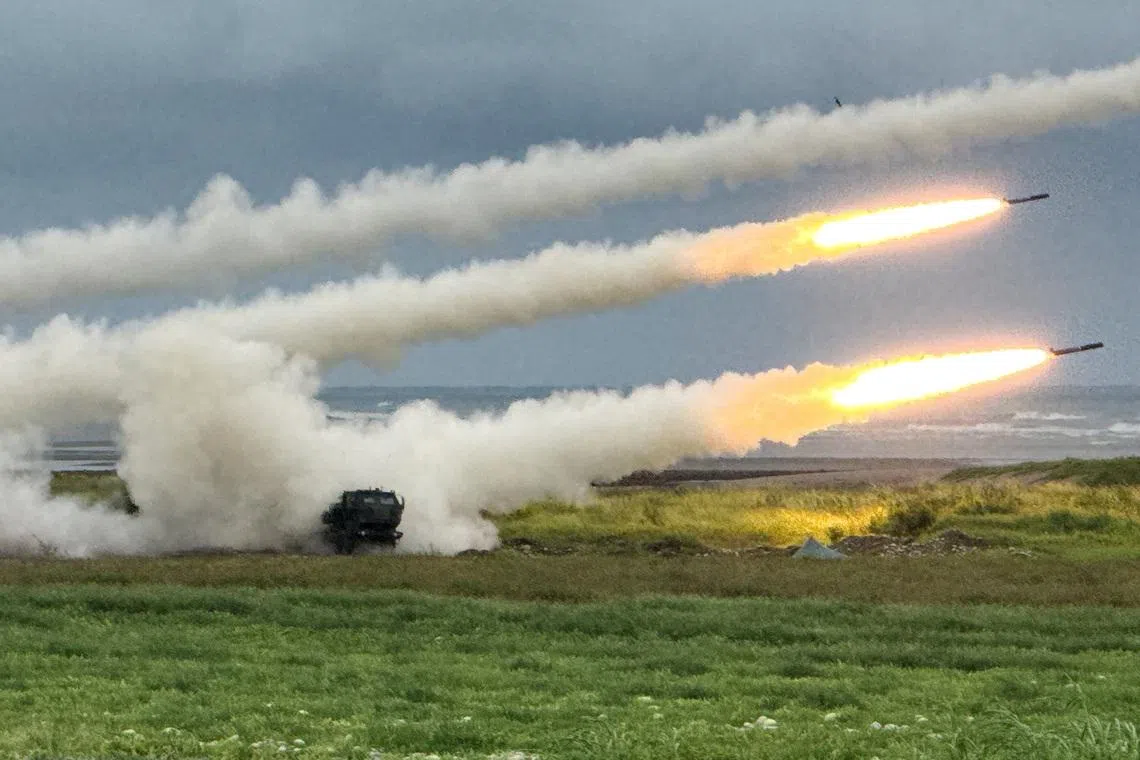
- China's Eastern Theater Command conducted a military drill simulating nuclear attack response at an unspecified naval base, with CBRN defense teams using uncrewed helicopters and handheld detectors to identify radiation spread and carry out decontamination in contaminated zones
- Greg Weaver and Matthew Kroenig of the Atlantic Council argue the US could consider limited nuclear first use against PLA Navy vessels and invasion forces in a Taiwan scenario, noting amphibious landing fleets are 'almost uniquely vulnerable' and that targeting maritime assets could reduce collateral damage
- David Kearn of War on the Rocks counters that proposed US first use of tactical nuclear weapons in the Pacific is a short-sighted overreaction, arguing it lacks credibility given ambiguous US commitments to Taiwan and would risk Chinese retaliation, alarm allies, and undermine non-proliferation efforts
- China's nuclear arsenal is estimated at approximately 600 warheads as of 2025 and could exceed 1,000 by 2030, making it the fastest-growing nuclear force among nuclear-armed states, per Hans Kristensen and other writers in the Bulletin of the Atomic Scientists
- Chinese nuclear experts cited by SCMP believe Japan can build nuclear weapons in less than three years, pointing to plutonium reserves, uranium enrichment capability, a complete nuclear fuel cycle, and potential delivery systems including the Epsilon-S rocket and improved Type-12 cruise missile
- Wakana Mukai argues Japan faces significant constraints in reconsidering its nuclear posture, shaped by its identity as the only country to have suffered nuclear attack, strong domestic anti-nuclear norms, and continued reliance on the US nuclear umbrella
- The drills took place as concerns rose following reported US and Israeli strikes near Iran's Bushehr nuclear facility and IAEA warnings about potential radiological risks, with regional tensions compounded by Japan's missile deployments targeting China
Why it matters: With China's arsenal potentially crossing 1,000 warheads by 2030 and US extended deterrence in the Indo-Pacific losing credibility, a Taiwan crisis is the most likely flashpoint where limited nuclear use gets discussed in policy circles. Japan emerging as the canary in the coalmine — Chinese experts openly estimating a sub-three-year breakout timeline — means proliferation pressure is no longer theoretical. Any US offset strategy that leans on tactical nuclear weapons against PLAN invasion forces risks the very escalation it aims to prevent, per the analysts cited.
Ask SkimNews