Trump Delays Xi Summit, Complicates US-China Trade — SkimNews
Get the Geopolitics newsletter
Daily geopolitics — wars, elections, sanctions, the diplomatic moves that move markets. Free.
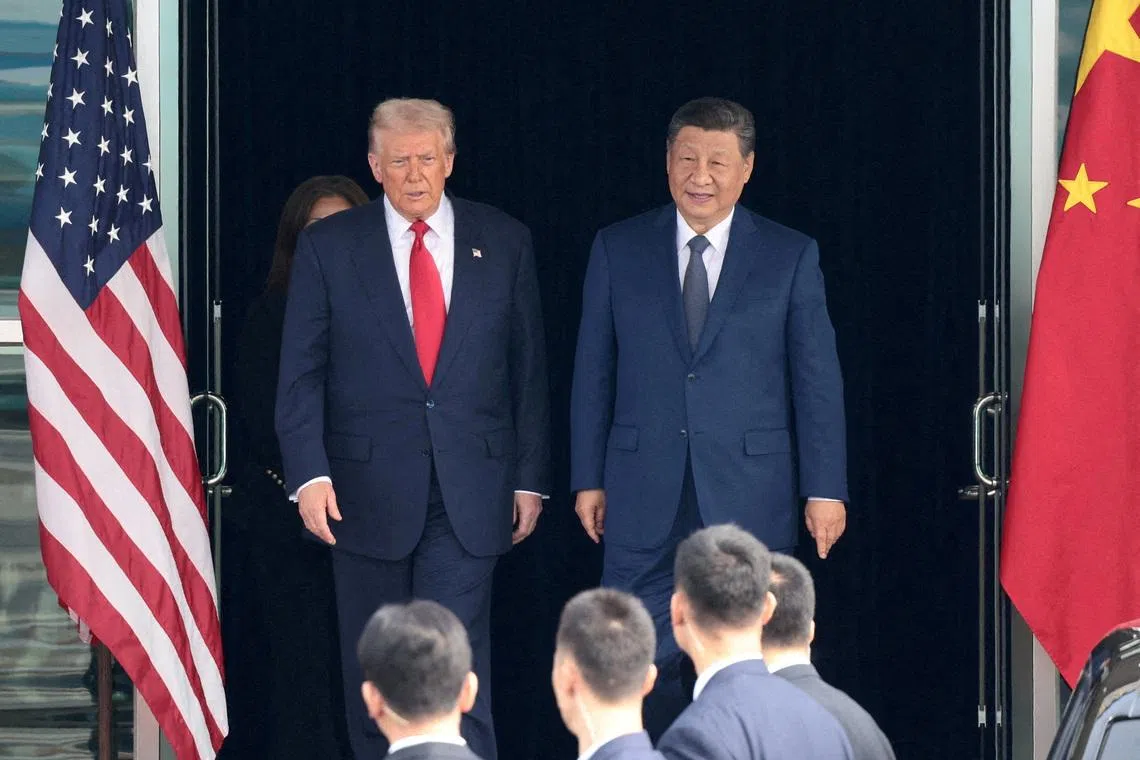
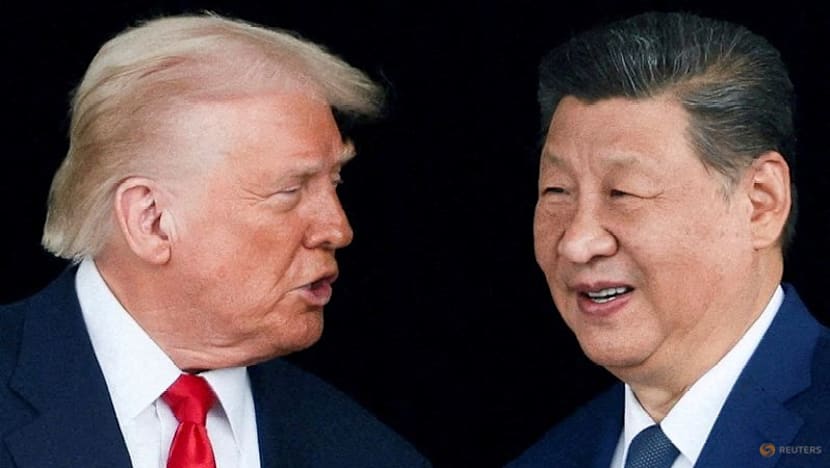
- Trump requested a delay of his Beijing summit with Xi Jinping, originally slated for the end of March, shadowing US-China ties that had been stable since their October meeting; analysts called it disruptive but not a major setback.
- The delay came one day after both sides concluded high-stakes trade talks in Paris covering potential Chinese purchases of US poultry, beef, and non-soybean crops, plus rare earth mineral flows and new trade and investment management approaches.
- The Paris negotiations followed Washington's new investigations into "unfair trade practices" aimed at rebuilding trade pressure on China and other countries, after the US Supreme Court struck down Trump's global tariffs last month.
- US officials sent conflicting reasons: Trump told the Financial Times he might postpone if China didn't help unblock the Strait of Hormuz, while Treasury Secretary Scott Bessent said the delay was about coordinating the war effort, not trade disagreements.
- State-run China Daily warned in a Tuesday editorial that Beijing's "openness should not be mistaken for acquiescence" and that the US "should refrain from taking any further actions that could disrupt or undermine a stable China-U.S. economic relationship."
- Analysts from Fudan, the Lee Kuan Yew School, Brookings, and the Asia Society said China wants predictability and would welcome extra time to prepare for a more substantive visit rather than a rushed one.
- Chinese foreign ministry spokesperson Lin Jian confirmed "ongoing communication about the timing of the trip" and stressed that "diplomacy between heads of state plays an irreplaceable role" in China-US relations.
Why it matters: The summit delay lands immediately after the Paris trade talks and the Supreme Court's striking down of Trump's global tariffs, creating a narrow window in which new US trade actions could emerge before a rescheduled Xi meeting. China's state media drew a sharp public line — "openness should not be mistaken for acquiescence" — signaling that Beijing's willingness to discuss agricultural purchases and rare earths is conditional, while US officials' contradictory public explanations for the delay (Hormuz vs. war coordination) point to internal messaging disarray that Beijing is watching closely.
Ask SkimNews