Latin America's Right-Wing Shift Rebuilds Israel Ties — SkimNews

Get the Geopolitics newsletter
Daily geopolitics — wars, elections, sanctions, the diplomatic moves that move markets. Free.
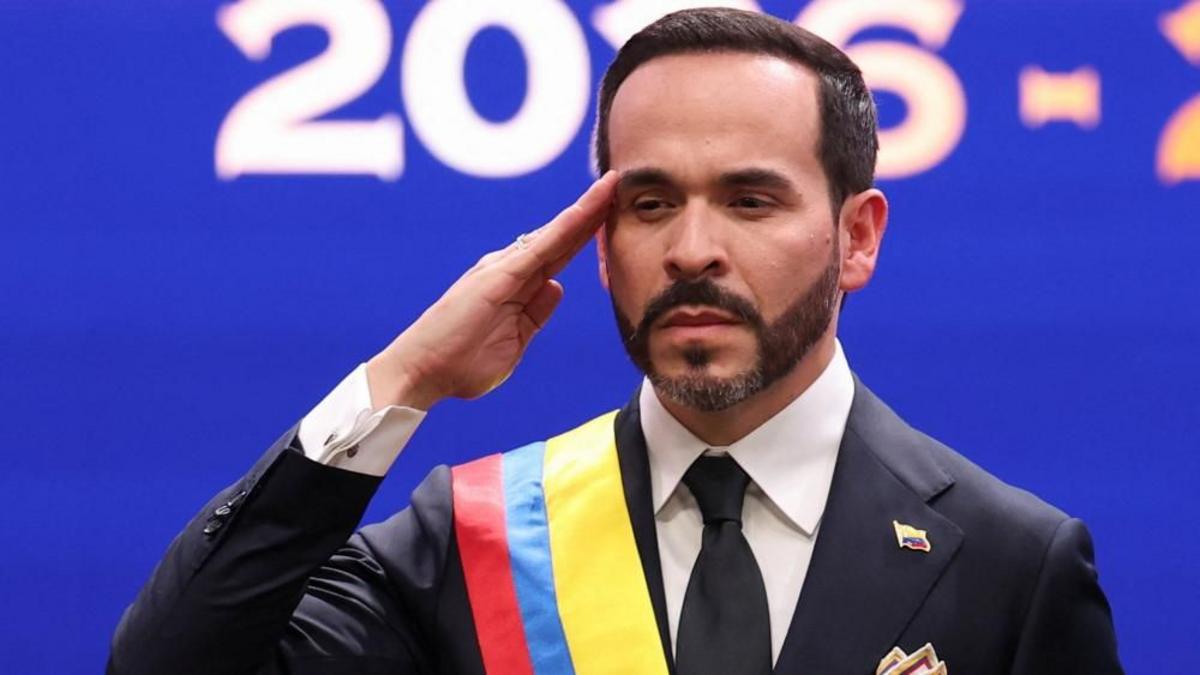
- Colombia's Abelardo de la Espriella, inaugurated in August, reversed predecessor Gustavo Petro's Gaza-era break with Israel by announcing a Jerusalem embassy, re-appointing ambassadors, recognizing Israeli control over the Golan Heights, and launching visa-free travel between the two countries.
- Brazil's Senator Flavio Bolsonaro launched his presidential campaign standing beside Argentine President Javier Milei, sported Israeli flags at rallies, and played a video message from PM Benjamin Netanyahu calling him "a great champion of the friendship between our peoples" — a role for a foreign leader experts called "unheard of in Latin America."
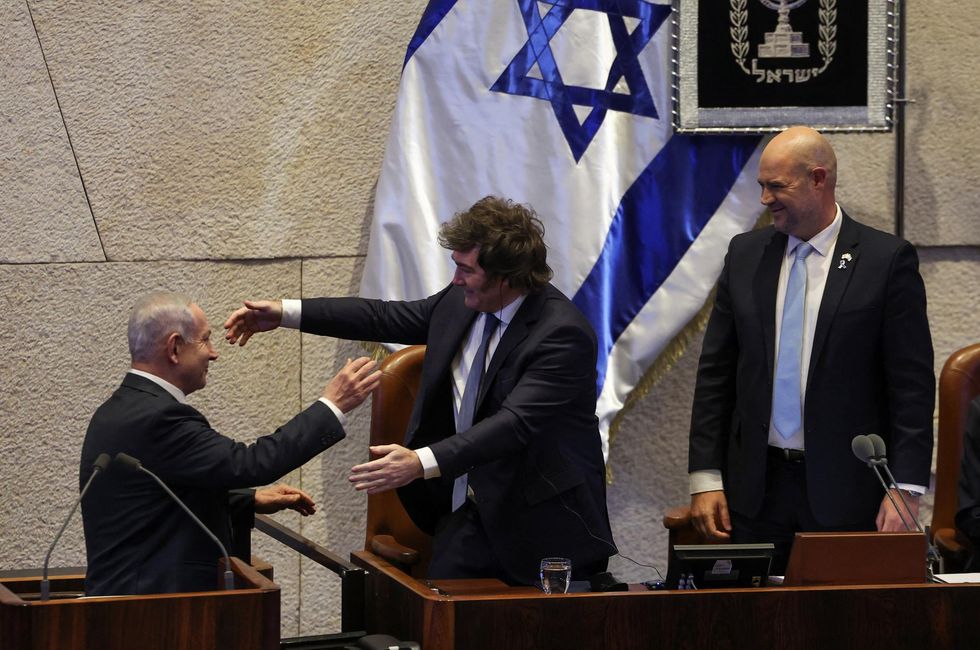
- Argentine President Javier Milei, elected in 2023, pledged to move his embassy to Jerusalem, refused to recognize a Palestinian state at the UN, and declared himself "proud to be the most Zionist president in the world."
- Bolivia's Rodrigo Paz, Chile's Jose Antonio Kast, Honduras's Nasry Asfura, and Venezuela all reversed their predecessors' anti-Israel postures this year — restoring ambassadors, ending nearly two decades of Venezuelan antagonism under Maduro and Chávez, and appointing envoys who publicly call themselves "proud Zionists."
- The realignment is driven by a "convergence" of Trump-aligned regional politics, Christian Zionism (around 40% of populations in Honduras and Guatemala are evangelical), and Israeli-government-backed lobbying through Florida pastor Mario Bramnick's Latino Coalition for Israel, which has met with leaders in Guatemala, El Salvador, Brazil, Panama, Chile, and Costa Rica.
- Brazil's Evangelical Parliamentary Front includes more than 40% of the Chamber of Deputies and more than a quarter of the Senate — a bloc large enough to become the country's third-largest party if it formalized.
- Closer ties also unlock access to Israeli military and security resources such as Pegasus spyware, military jet sales, and force training, according to the Washington-DC-based Center for Economic and Policy Research.
Why it matters: The pivot pulls Latin American governments into Trump's Shield of the Americas regional bloc and unlocks Israeli security technology like Pegasus, while evangelical voter blocs — over 40% of populations in Honduras and Guatemala — gain unprecedented leverage over foreign policy. The reversal is unusually abrupt because weak, politicized diplomatic institutions let new presidents overturn years of predecessor policy in months, as Petro's multi-year break with Israel was undone by de la Espriella within weeks of taking office.
Ask SkimNews