Malaysia says new diesel subsidies can save millions to benefit citizens, but experts flag fiscal risks — SkimNews
Get the Geopolitics newsletter
Daily geopolitics — wars, elections, sanctions, the diplomatic moves that move markets. Free.
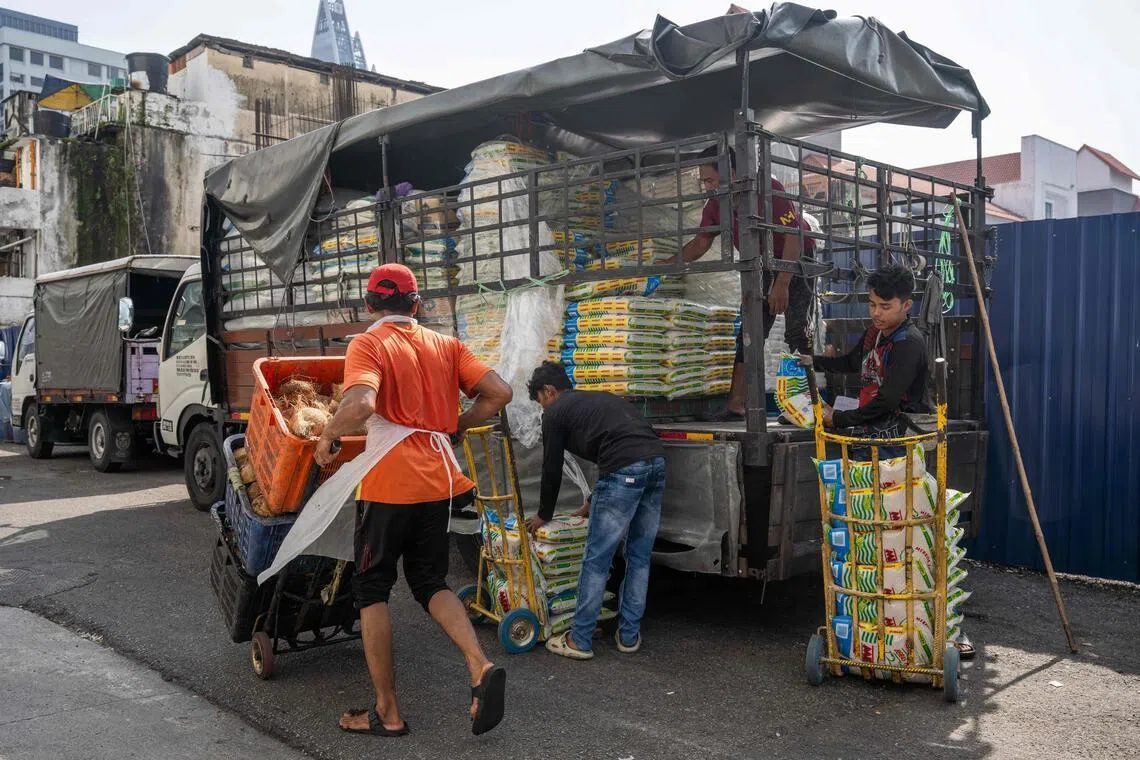
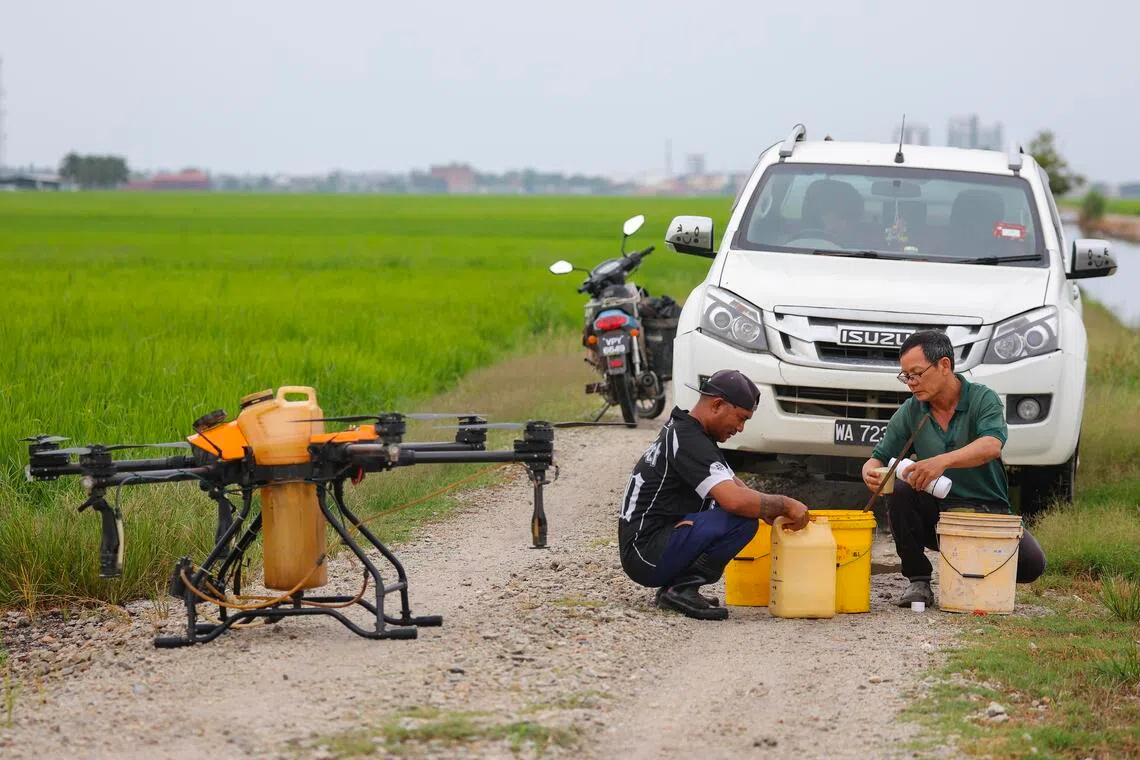
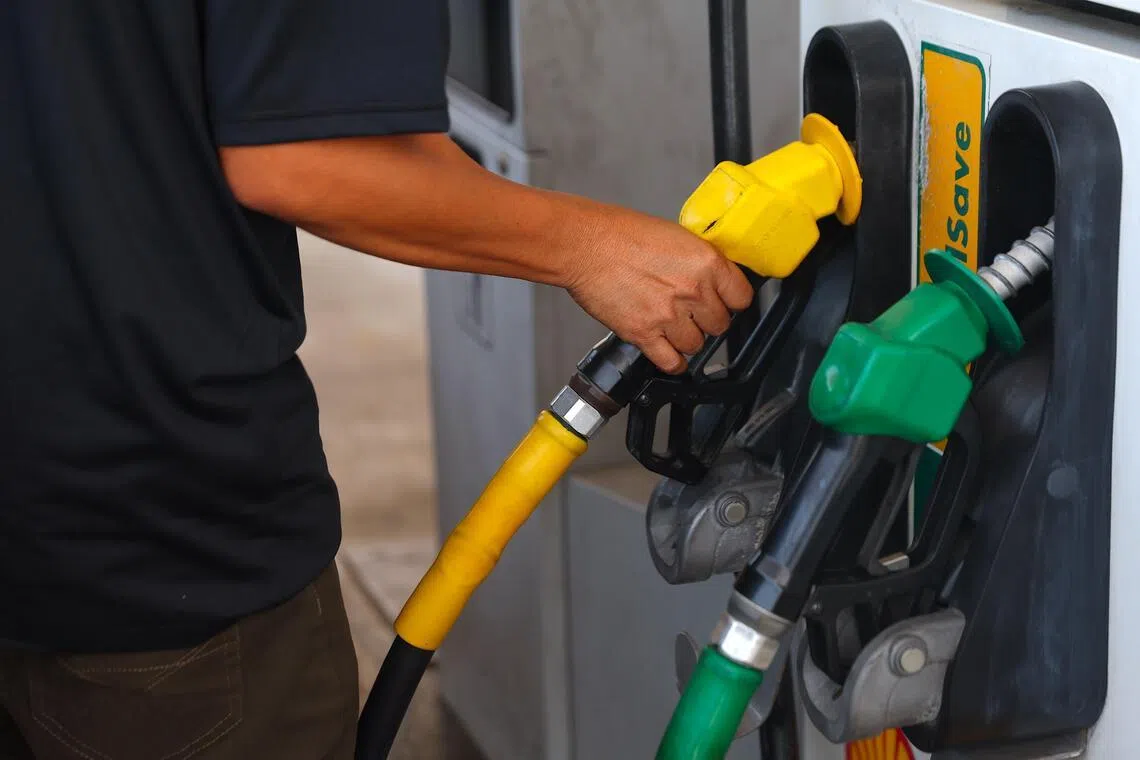
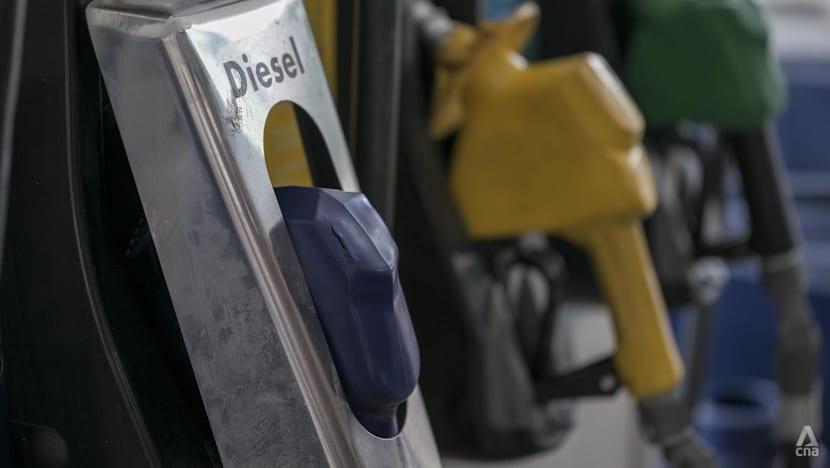
- Malaysia's federal government will cut diesel prices to RM2.10 per litre (US$0.50) from July 1, down from RM4.07 in peninsular Malaysia, restricting the subsidised rate to citizens with MyKad verification and a 200-litre monthly cap.
- Finance Minister II Amir Hamzah Azizan said the new scheme will save up to RM2 billion annually, citing diesel consumption in East Malaysia's Sabah and Sarawak that rose to 2 billion litres per year — double the estimated 1 billion litres of actual need — as evidence of smuggling and abuse.
- The federal subsidy bill for petrol and diesel jumped from roughly RM800 million per month in January and February to nearly RM5 billion in March and April as global oil prices spiked during the Middle East war, with diesel in peninsular Malaysia peaking at RM6.72 per litre in April.
- Analysts including Bank Muamalat's Mohd Afzanizam Abdul Rashid flagged that the policy remains a blanket subsidy benefiting all Malaysians regardless of income, and could squeeze fiscal space if oil prices rise again — echoing a 2023 diesel subsidy bill of RM14.3 billion.
- Political analyst Adib Zalkapli said the diesel cut is effectively 'election candy' ahead of state polls in Johor (July 11) and Negeri Sembilan (August 1), arguing fiscal discipline on subsidies is politically impossible before the next general election.
- ISEAS-Yusof Ishak Institute's Serina Abdul Rahman called the expansion of subsidies 'somewhat confusing' given the billions already spent, noting the Middle East war remains unresolved and import supply has not fully stabilised.
Why it matters: Malaysia's pivot back to a universal diesel subsidy — after floating peninsula prices in June 2024 — costs an estimated RM2 billion per year in a country that spent RM14.3 billion on diesel subsidies in 2023 alone, meaning every oil price spike could blow a hole in federal finances. The scheme's biggest beneficiaries are the 1 million foreigners in Sabah who currently access cheap fuel; excluding them directly addresses the leakage but leaves the policy exposed to the same abuse once enforcement slips. With two state elections in the next six weeks, the move prioritises political optics over the income-targeting reform economists say would save far more.
Ask SkimNews