John Gilbey Walks Talybont After Rain — SkimNews

Get the Energy newsletter
Daily energy & climate — solar, EVs, oil, the policy fights and tech bets shaping the transition. Free.
- John Gilbey opens his walk at a small, kempt cemetery on the edge of Talybont that overlooks the coast and the "wild brown swathe" of Cors Fochno (Borth Bog).
- The early rain has cleared by the time he sets off, leaving crisp air, deep colours, hawthorn-bright hedgerows, cattle grazing the aftermath of the first silage cut, and red kites traversing overhead.
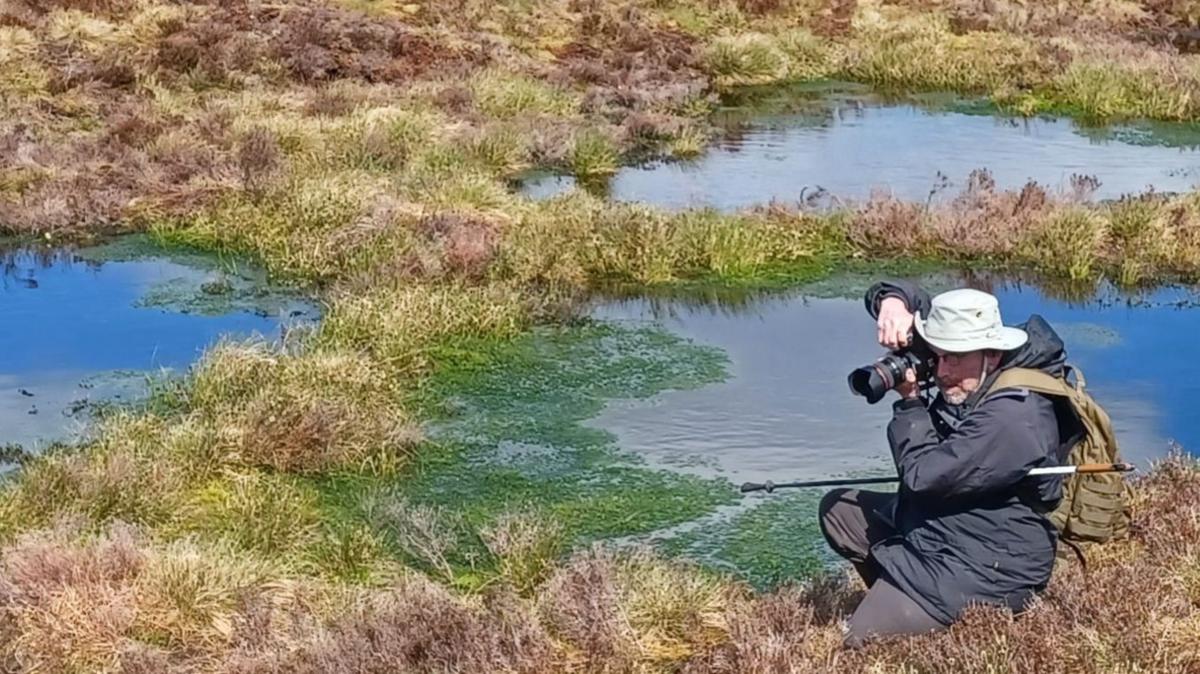
- Cors Fochno's surface is marked by glittering open pools that shimmer in the heat, with views across the Afon Dyfi to the steep-faced sand dunes of Aberdyfi and the hills defining the Llŷn peninsula.
- An old, steep, rough track drops onto an eroded surface one step above the bog, then turns east toward Tre Taliesin and opens up the "always impressive view" of the Dyfi Valley constrained by stern ranks of hills on both sides.
- The boundary lane separates well-drained hillside pasture from marginal wetland, with bands of scrub and rock outcrop marking islands that Gilbey notes would have made "excellent places of refuge in times of unrest" in the distant past.
- The walk ends in Tre Taliesin as thundery weather builds, with towers of cumulonimbus darkening the mosaic of fields, and pauses at a corner house bearing a metal sign with the archaic message "Telegraph Office".
Why it matters: Gilbey's column treats the Dyfi landscape as a palimpsest: former refuge islands rising from the bog, a Telegraph Office relic still mounted on a village wall, and a walk that begins in a cemetery rather than at a summit. For readers of British nature writing, the piece layers present-day observation onto deep-time land use, making a familiar Welsh circuit read as both geography and quiet history.
Ask SkimNews