GOP candidates split from Trump on Iran war but won't vote to end it — SkimNews
Get the Geopolitics newsletter
Daily geopolitics — wars, elections, sanctions, the diplomatic moves that move markets. Free.
- Iowa gas prices jumped 69% (tied for the nation's largest increase per AAA data from late August), making the Iran war's economic fallout a potent political issue in the farming-dependent state, which now hosts a razor-close 2026 Senate race.
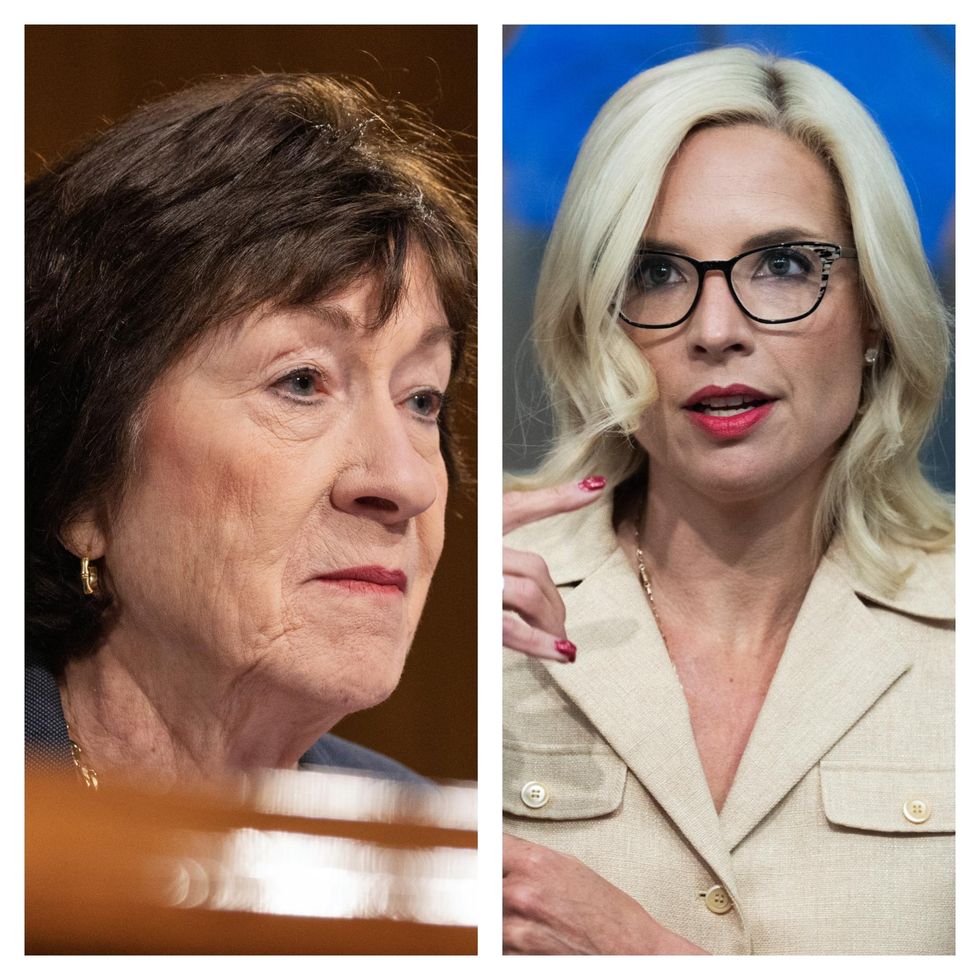
- Ashley Hinson (R-Iowa), the GOP nominee for an open Senate seat, once supported the war but has pivoted, saying Iowans "shouldn't have to foot the bill at the pump or the checkout line for the war in Iran" — yet she has not joined House colleagues in voting for war powers resolutions, telling her Democratic challenger Josh Turek that "we don't need another resolution" and that Trump and the military can end it.
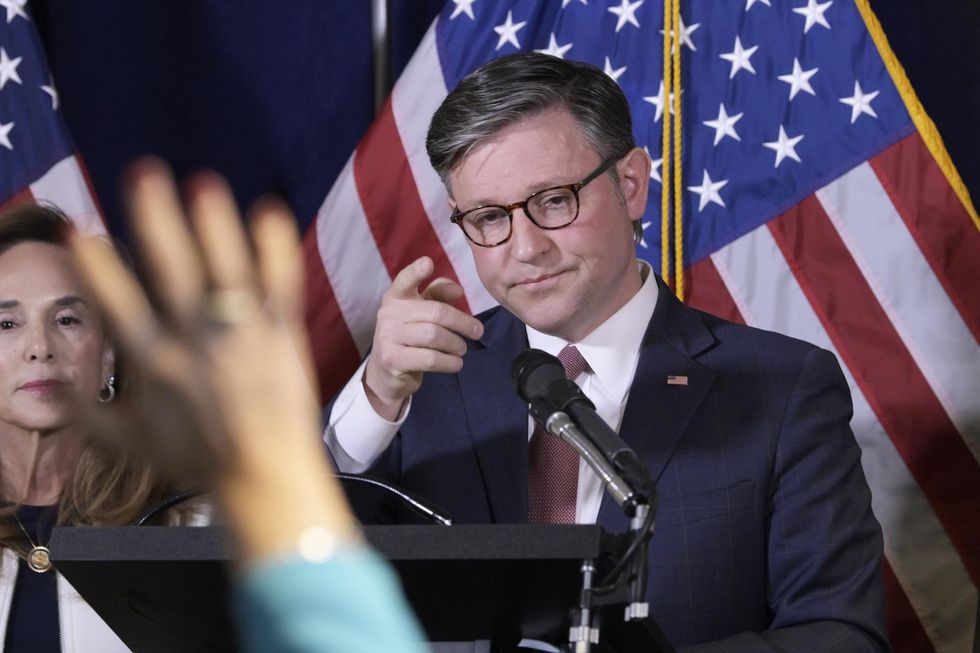
- Iowa Reps. Mariannette Miller-Meeks and Zach Nunn became the sixth and seventh Republican House members to support Iran war powers resolutions that would limit Trump's ability to wage war without congressional approval.
- Sen. Susan Collins (R-Maine) voted for nine of 14 Senate efforts to constrain Trump's war powers but defended her five earlier votes against resolutions as falling within the first 60 days of conflict, when she said the commander-in-chief has "widespread discretion"; her challenger Troy Jackson countered that as chair of Senate Appropriations she could cut off funding.
- Some Democratic senators have said they will block future Defense Department funding if they retake the Senate in November, a scenario political analyst Nate Silver puts at a 73% probability.
Why it matters: Hinson and Collins are running in states where war-driven gas and input costs are reshaping voter anger, yet they are refusing to use the exact appropriations and war powers levers they could pull — meaning voters hear anti-war rhetoric from candidates who won't legislate against it. With Nate Silver giving Democrats a 73% chance of taking the Senate and House Republicans privately conceding their majority is "likely impossible," that contradiction is what GOP candidates must defend through Election Day.
Ask SkimNews