Tight-Race GOP Senators Pressed on Iran War Votes — SkimNews
Get the Geopolitics newsletter
Daily geopolitics — wars, elections, sanctions, the diplomatic moves that move markets. Free.
- Iowa and Maine GOP candidates are being pressed to vote against the Iran war, not just sympathize with voters, as the conflict's economic fallout — including a 69% jump in Iowa gas prices tied for the nation's largest increase per late-August AAA data — dominates two of the tightest 2026 Senate races.
- Ashley Hinson (R-Iowa), the GOP nominee for an open Senate seat, reversed her support for the war and said Iowans "shouldn't have to foot the bill at the pump or the checkout line," but has not joined six House GOP colleagues in backing war powers resolutions.
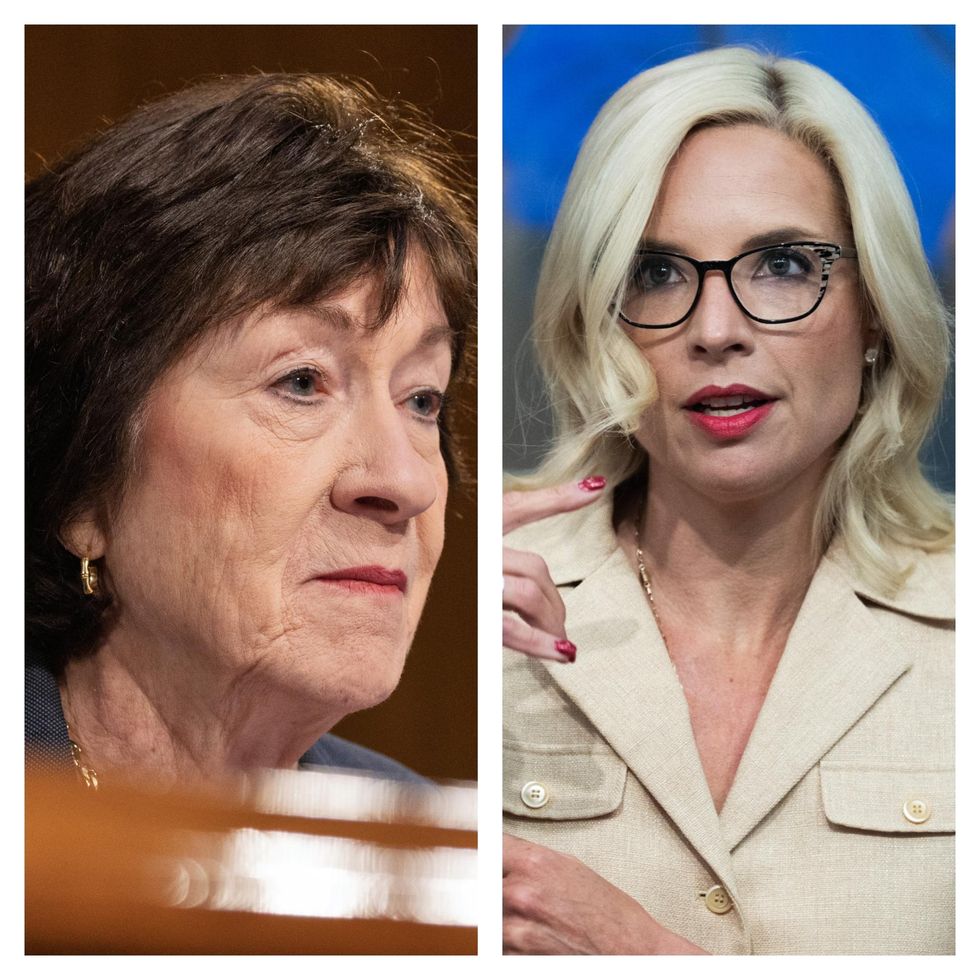
- Susan Collins (R-Maine) has voted for 9 of 14 Senate efforts to constrain Trump's war powers, defending her five earlier votes against as falling within the first 60 days of conflict when the commander-in-chief has "widespread discretion."
- Challenger Troy Jackson argued Collins could end the war directly through her perch as chair of the Senate Appropriations Committee by cutting its funding — a lever she has not pulled.
- Mariannette Miller-Meeks and Zach Nunn, two Iowa Republican House members, recently became the sixth and seventh members of their party's House caucus to support Iran war powers resolutions limiting Trump.
- Nate Silver gives Democrats a 73% chance of taking the Senate, while Politico reports House Republicans have privately concluded that holding their majority is "likely impossible" — and some Democratic senators have pledged to block future Defense Department funding if they reclaim the upper chamber.
- An Iowa voter captured the contradiction directly: "Hinson is all of a sudden portraying herself as the person who's always opposed the war... But you check her votes and she doesn't."
Why it matters: With Nate Silver putting Democratic Senate control at 73% and House Republicans privately conceding their majority is "likely impossible," vulnerable GOP incumbents like Collins and open-seat nominee Hinson face an arithmetic problem: rhetoric against a 69% gas-price spike isn't enough when six House Republicans have already cast actual war-powers votes that put daylight between them and Trump. The Iowa and Maine Senate races are testing whether GOP candidates can campaign on pain they refuse to legislate against.
Ask SkimNews