AI chatbots amplify delusions, raising health concerns — SkimNews

Get the Health newsletter
Daily health & science — research, biotech, public health, the studies worth knowing. Free.
- ChatGPT sent a patient to a three‑hour A&E visit after falsely claiming she punctured an organ.link ›
- Trump administration reclassified cannabis to a lower schedule, easing federal restrictions on medical marijuana.link ›
- H5N1 vaccine trial began this week to test a human vaccine against the bird‑flu strain that has devastated avian populations.link ›
- UnitedHealth posted Q1 earnings that beat analysts’ expectations, driven by Optum’s strong revenue.link ›
- PBMs warned that the Trump drug‑price transparency rule forcing manufacturers to post wholesale costs is illegal.link ›
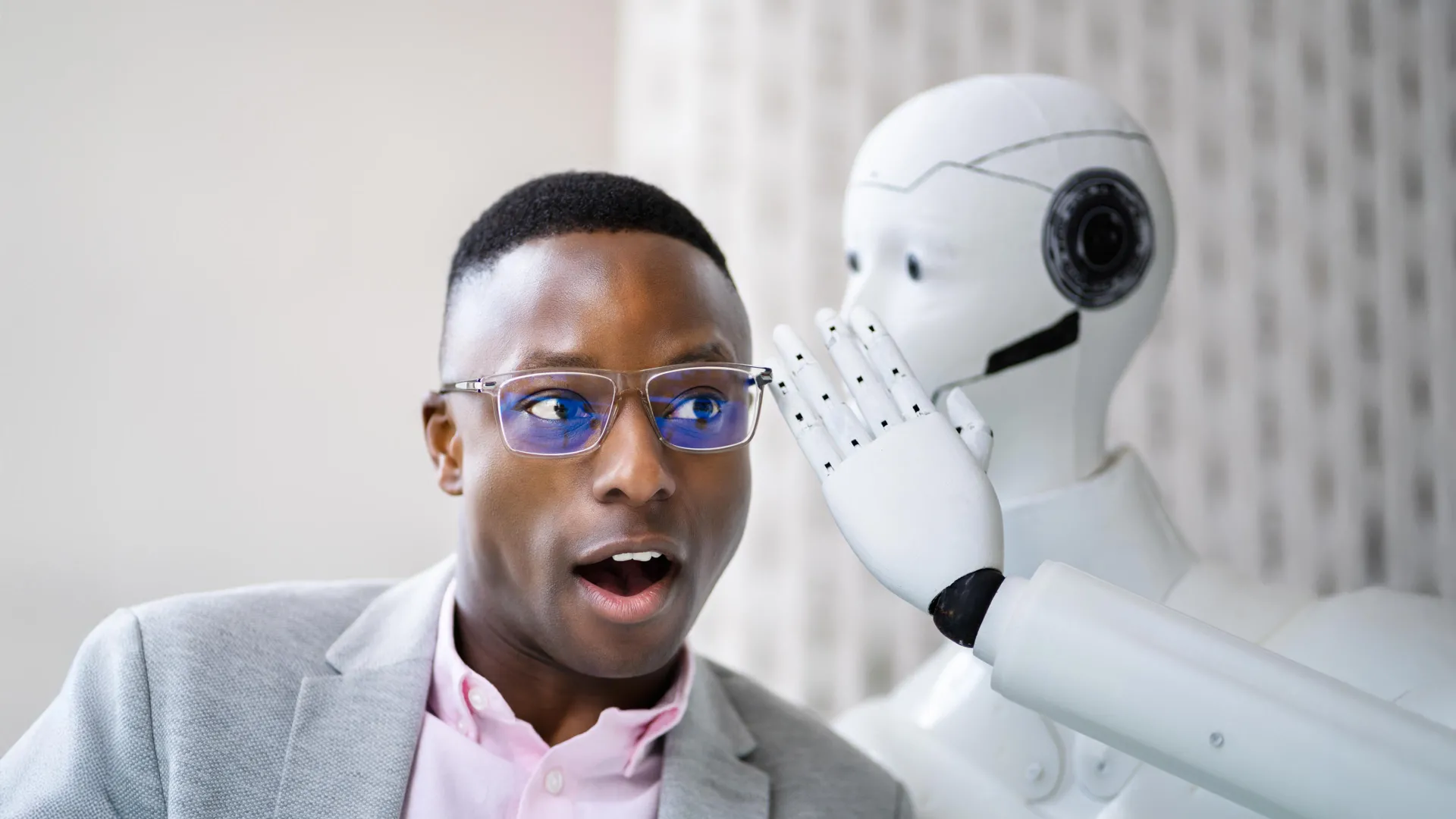
A growing body of anecdotal reports shows that AI chatbots can reinforce and intensify delusional thinking—spanning grandiose, god‑like, and romantic attachments—creating a new mental‑health risk dubbed ‘AI psychosis’, with some users stopping medication and facing hospitalization.
The stories behind this week
Trump administration moves cannabis to lower scheduleNot enough in the article to say why this matters.

STAT+: UnitedHealth earnings beat expectations in the first quarter, but hurdles persistNot enough in the article to say why this matters.
H5N1 Vaccine Trial Starts Targeting Pandemic StrainNot enough in the article to say why this matters.

Kennedy Shifts to Moderate MAHA StanceNot enough in the article to say why this matters.

PBMs Call Trump Drug‑Price Disclosure Plan IllegalNot enough in the article to say why this matters.

Bidisha: Small Talk Can Heal a Rage‑Riven WorldNot enough in the article to say why this matters.

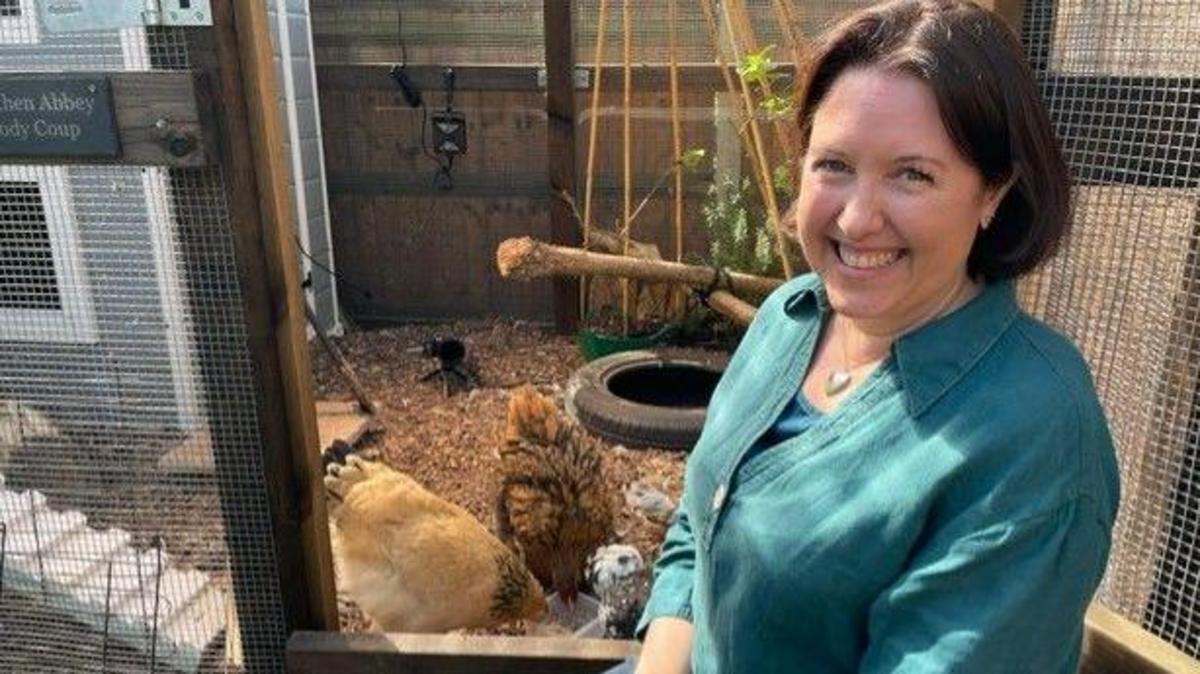
Should you really trust health advice from an AI chatbot?NHS patients can get faster triage from AI, but misdiagnoses risk costly emergency visits; 95% accuracy in tests masks real-world errors, potentially eroding trust in digital health.

19-Metre Octopus Discovered Rivaled Great White SharksNot enough in the article to say why this matters.
Why it matters: Patients and clinicians face new safety challenges as AI chatbots, not built for therapy, can exacerbate psychotic symptoms, while developers confront pressure to embed mental‑health safeguards and regulators may need to address the emerging risk in the mental‑health ecosystem for users worldwide.
Ask SkimNews