Trump delays China trip as Iran war, Paris talks stall agenda — SkimNews

Get the Geopolitics newsletter
Daily geopolitics — wars, elections, sanctions, the diplomatic moves that move markets. Free.
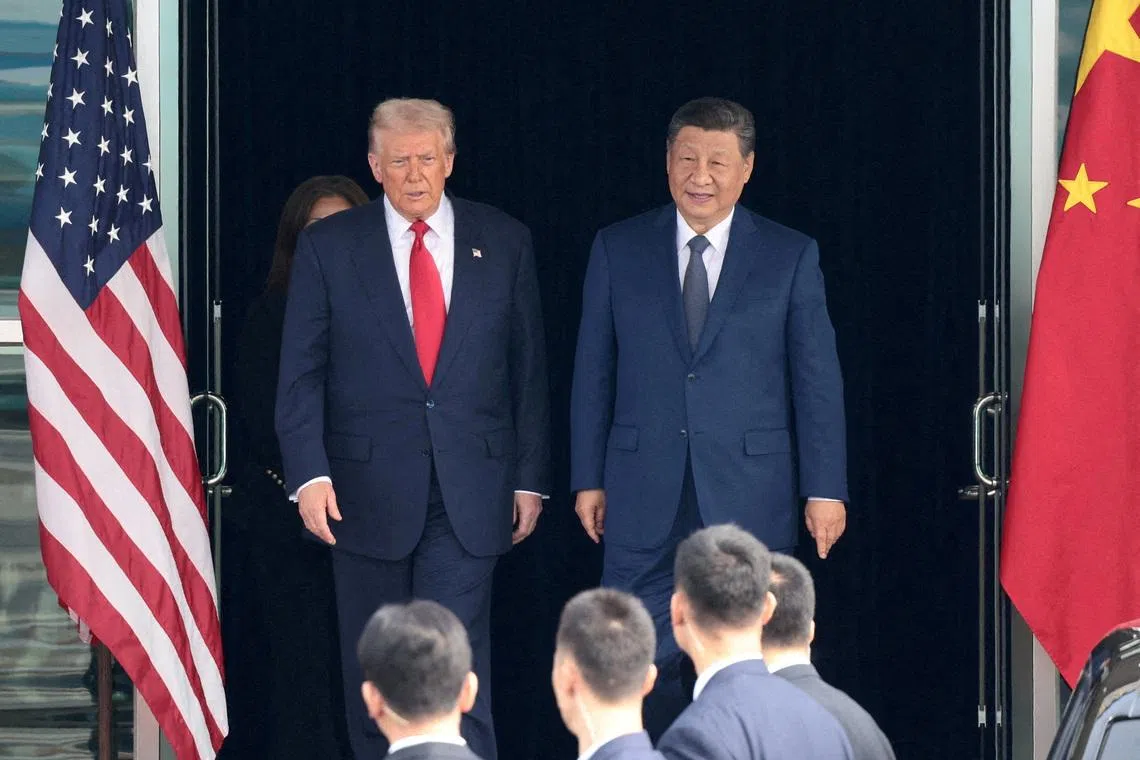
- Trump postponed his March 31–April 2 Beijing trip, saying 'I think it's important that I be here' as the US-Israeli war with Iran expands, and told reporters Tuesday the visit would happen 'in five or six weeks.'
- Claus Soong of MERICS told DW that 'Iran might be part of the story, but it's not just Iran,' attributing the delay primarily to failed Paris preparatory talks where US and Chinese officials 'couldn't reach a consensus about what Trump and Xi will be talking about.'
- Iran has effectively closed the Strait of Hormuz for oil exports, with only 'dark transits' — ships with their automatic identification systems switched off, likely linked to Iran — still moving through the key energy chokepoint.
- China is unlikely to join Trump's requested naval support effort, analysts say, because it views Iran as a partner, continues importing Iranian oil, and holds the world's largest oil reserves — leverage Soong says lets Beijing 'sit back and wait' through any prolonged Hormuz closure.
- The Beijing summit was meant to stabilize the trade and tech ceasefire Trump and Xi agreed in Busan in late 2025, but China retained rare-earth export controls even after Washington rolled back tariffs.
- Trump wants Chinese purchases of US poultry, beef, and crops ahead of midterms to shore up farm-state voters, while Beijing wants lower tariffs and fewer US export controls.
- A $14 billion Taiwan arms package is ready for Trump to approve and could be announced after his China trip, Reuters reported — a move Beijing sees as a provocation to its 'core interest' on Taiwan.
Why it matters: Trump's first Beijing trip in his second term — meant to stabilize a fragile trade and tech ceasefire — is now collateral damage of an expanding Middle East war. Per MERICS, Beijing can 'sit back and wait' while holding the world's largest oil reserves and importing Iranian oil, gaining leverage ahead of US midterms.
Ask SkimNews