'You can't describe the loss' - the reality of bovine TB on farmers — SkimNews
Get the Energy newsletter
Daily energy & climate — solar, EVs, oil, the policy fights and tech bets shaping the transition. Free.
- Northern Ireland Agriculture Minister Andrew Muir launched a 12-week consultation in early July on wildlife interventions for bTB, setting out three options: non-selective badger culling, a Test and Vaccinate or Remove (TVR) approach, or vaccination only, with no preferred option on the table.
- The bTB programme is expected to cost over £70m this year, with compensation to farmers on a full market value basis making up £54m of that total — a bill Daera has separately consulted on reducing, prompting farmers to threaten court action.
- The disease still affects close to 10% of Northern Ireland's national herd, and a previous badger cull order by former minister Edwin Poots was quashed by the High Court; England has effectively ended culling in favour of vaccination, while the Republic of Ireland weighs other measures.
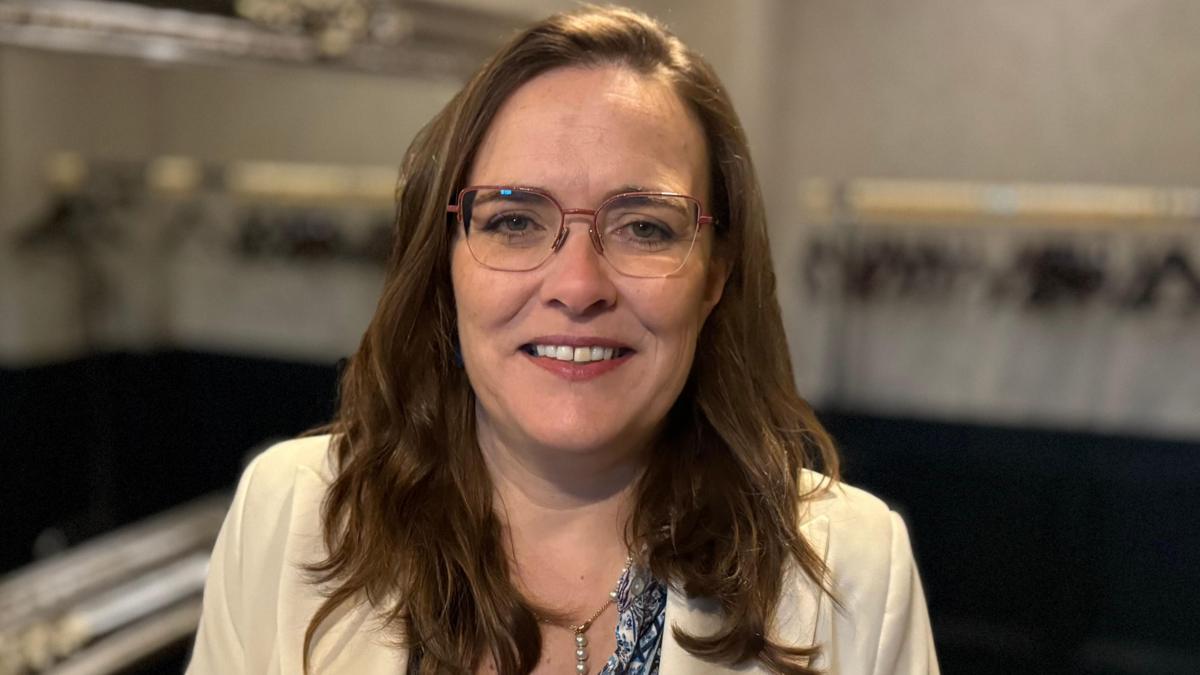
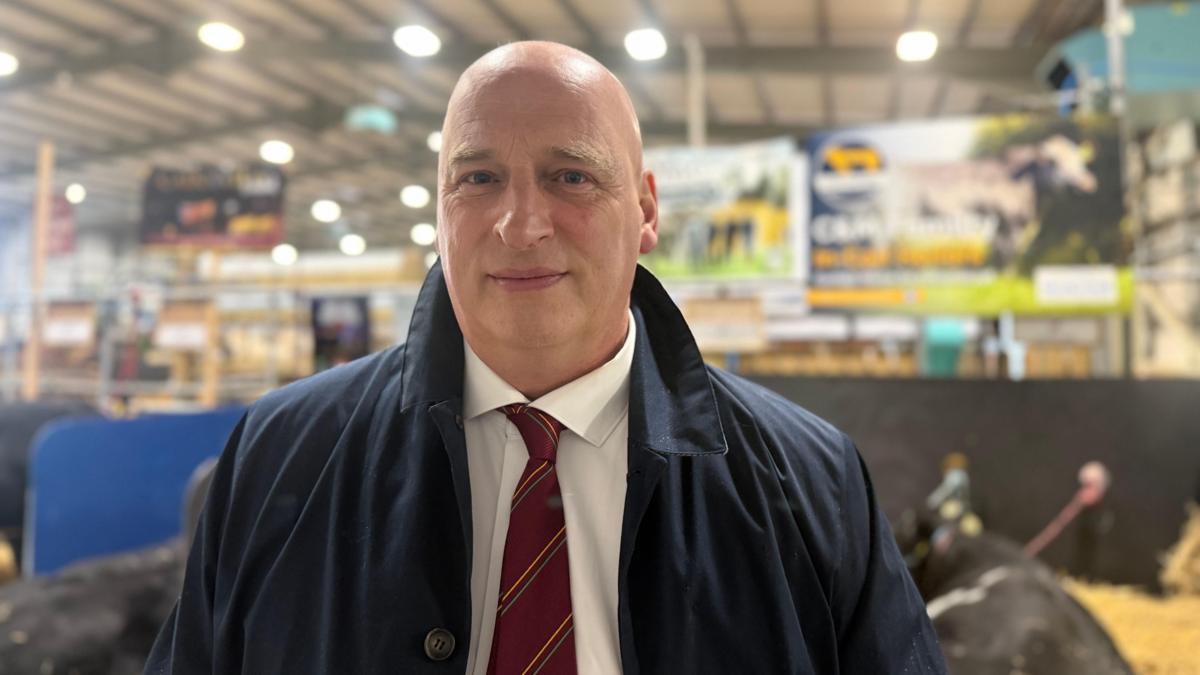
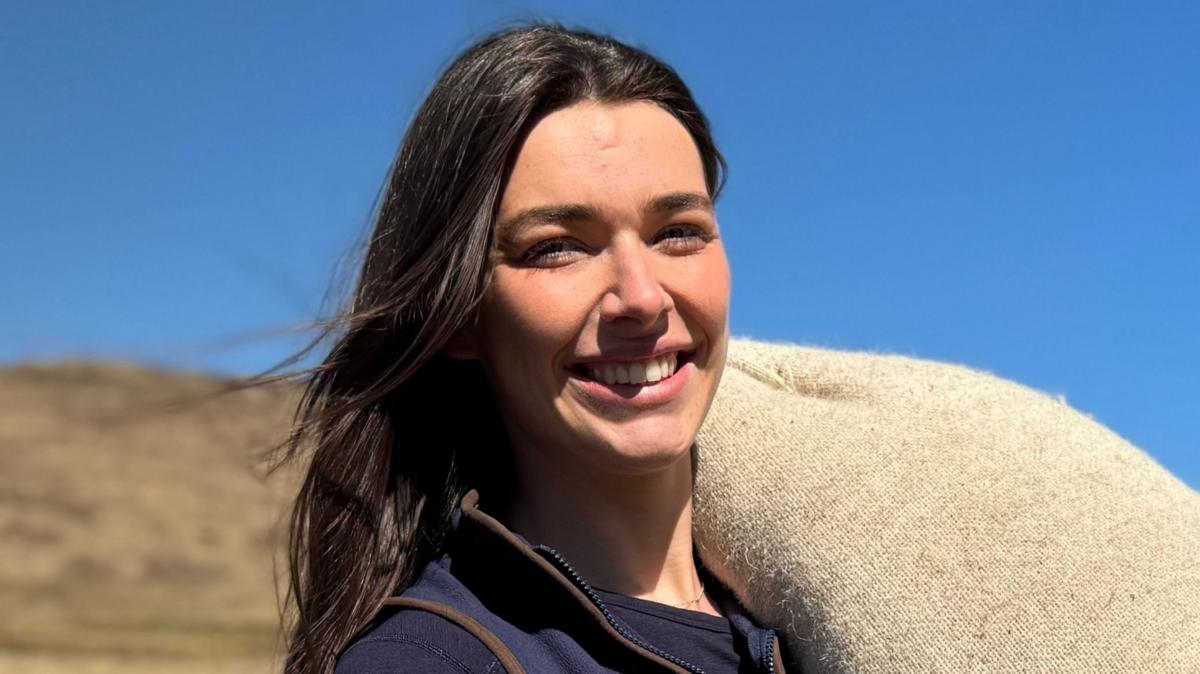
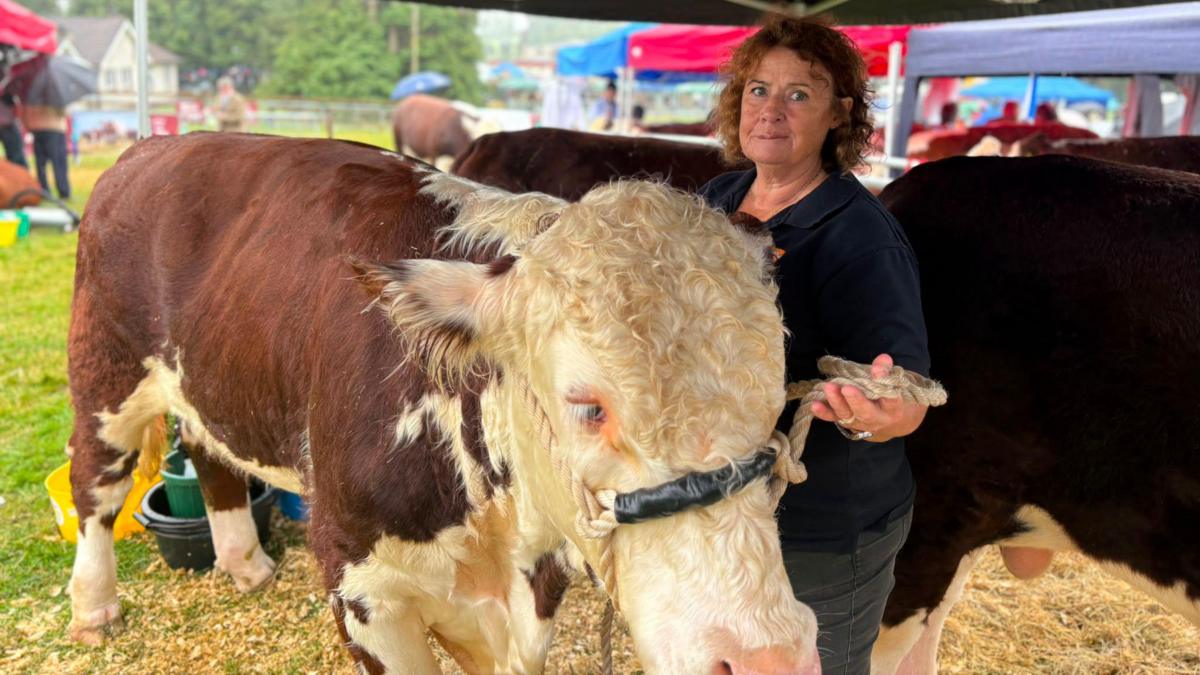
- Pedigree breeders described generational losses: Rachel Leader lost a Hereford heifer taken 18 months ago that later tested clear, devastating a family bloodline she'd built; Mark Moore's farm was shut for three months after an outbreak five years ago, wiping out prized bloodlines.
- Farmer Conor McVeigh called the standard skin test "completely out of date" and pushed for mandatory blood testing, saying current mixed opinions on the newer test must be resolved before eradication can work.
- Beyond individual farms, agricultural shows like the Clogher Valley Show in County Tyrone are affected — president Nicholas Lowry said farmers shut down by bTB restrictions simply cannot bring animals to championship events.
- The consultation closes on 25 September, with Chief Veterinary Officer Brian Dooher calling bTB a "complex problem" requiring a "comprehensive and evidence-based approach" across cattle, people and wildlife.
Why it matters: Nearly 10% of Northern Ireland's national herd is affected by bTB, and the £54m compensation bill has farmers ready to take Daera to court over proposed cuts. With three sharply opposed policy options on the table and the consultation closing 25 September, the outcome will set the balance between badger populations and a programme draining tens of millions annually from both industry and government.
Ask SkimNews