Trump clean energy rollbacks erase $68B in US investment — SkimNews

Get the Geopolitics newsletter
Daily geopolitics — wars, elections, sanctions, the diplomatic moves that move markets. Free.
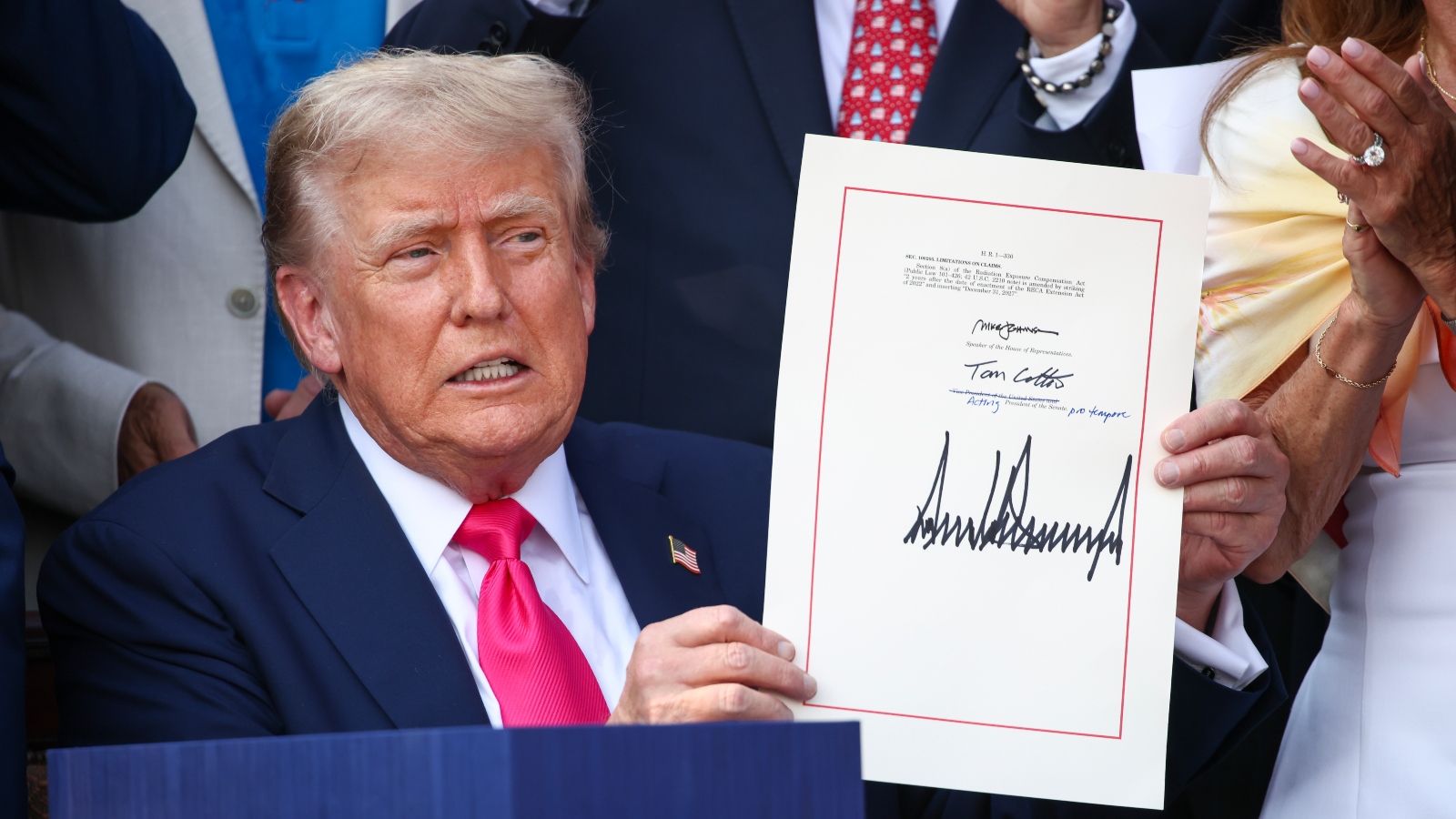
- E2's report — based on BW Research analysis of 216 large-scale clean energy manufacturing and power projects canceled, closed, or downsized since January 2025 — found that Trump administration rollbacks erased $68.2 billion in private capital investment and nearly 470,000 jobs.
- The scrapped projects would have contributed more than $90 billion to US GDP during construction and $55 billion annually once online, including $48.4 billion in yearly operational spending and $53 billion in construction wages that will never flow through local economies.
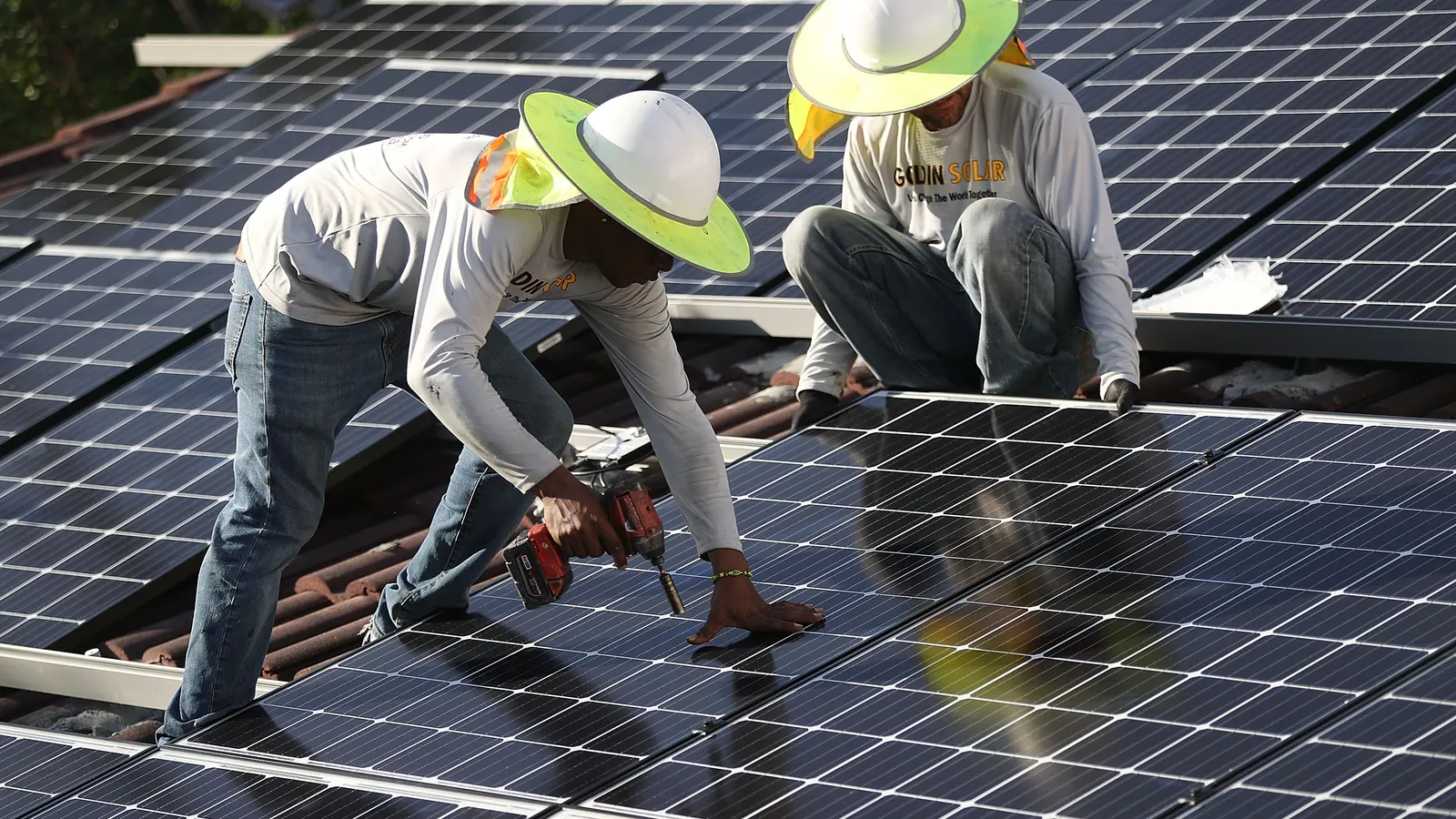
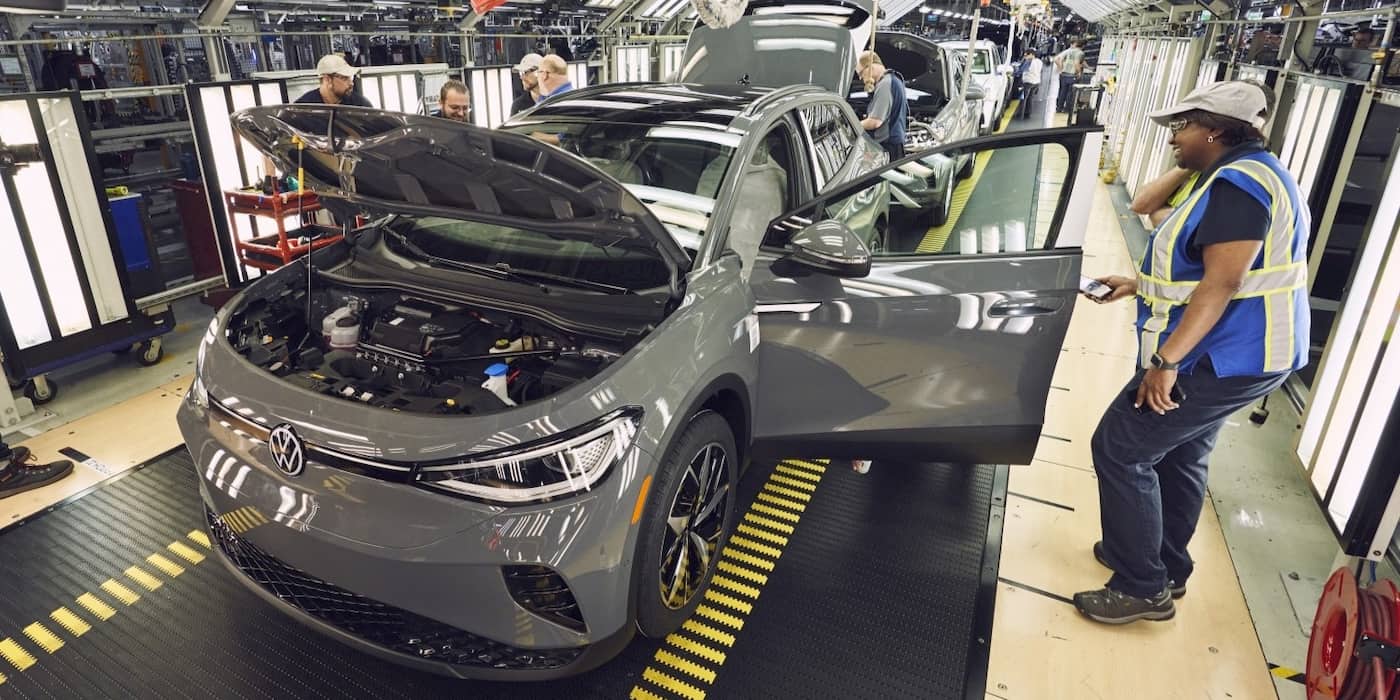
- Battery storage, solar, and EV sectors took the heaviest hits: battery storage accounts for over 42,000 lost construction jobs, solar for nearly 33,000, and EVs for almost 28,000 — while EV manufacturing alone represents roughly 255,000 permanent jobs that will never materialize, the largest long-term loss in the report.
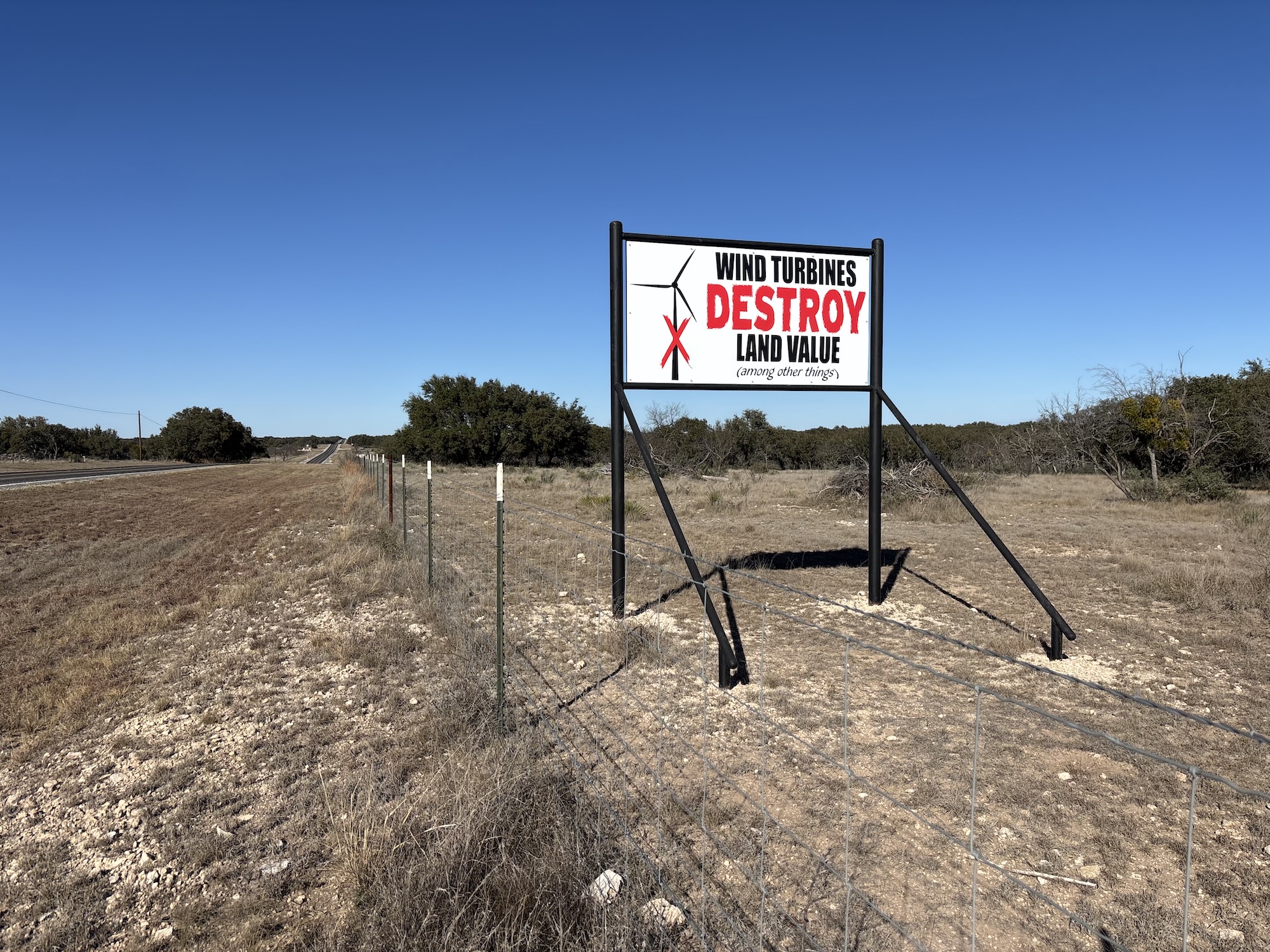
- Federal, state, and local governments are projected to miss nearly $20 billion in tax revenue from construction alone plus $12 billion annually, while canceled capacity includes roughly 10 GW of solar, 3.75 GW of wind, and 9 GW of battery storage — enough to power about 3 million homes, equivalent to all households in Massachusetts.
- E2 executive director Bob Keefe said federal actions to stop clean energy are "costing all of us – consumers, businesses, and our national economy – big time," and BW Research CEO Phil Jordan warned that "accurate, current information on jobs in the energy sector has never been more important."
- The losses come as US electricity demand surges from AI data centers, electrification, and new manufacturing — meaning canceled generation capacity arrives exactly when the grid needs it most.
Why it matters: Federal clean energy rollbacks have killed $68 billion in investment and hundreds of thousands of jobs, while wiping out enough solar, wind, and battery capacity to power 3 million homes — a hole in the grid that arrives as AI data centers and electrification are pushing US electricity demand sharply higher. Local governments also lose nearly $20 billion in tax revenue for schools, fire departments, and roads.
Ask SkimNews