Hezbollah Rejects U.S. Lebanon Ceasefire, Israel Keeps Striking — SkimNews

Get the Geopolitics newsletter
Daily geopolitics — wars, elections, sanctions, the diplomatic moves that move markets. Free.
- Hezbollah rejected the U.S.-brokered ceasefire, with leader Naim Qassem declaring "resistance will continue"; the group is not a party to the Israel-Lebanon deal struck Wednesday and would still be required to halt fire
- Israel will not withdraw from southern Lebanon, Defence Minister Israel Katz said, ordering forces to remain in the security zone including the newly seized Beaufort Castle area and continue operations on the ground
- UNIFIL confirmed a UN peacekeeper was killed and two others wounded when mortar shells struck a position near Marjayoun in southeastern Lebanon; the mission did not identify the source of the fire
- Iran has made a Lebanon ceasefire a precondition for any peace deal with Washington, and its Quds Force commander demanded Israel withdraw to pre-war positions; additional Iranian demands include access to oil revenue, sanctions waivers, an end to the U.S. port blockade, and leverage over the Strait of Hormuz
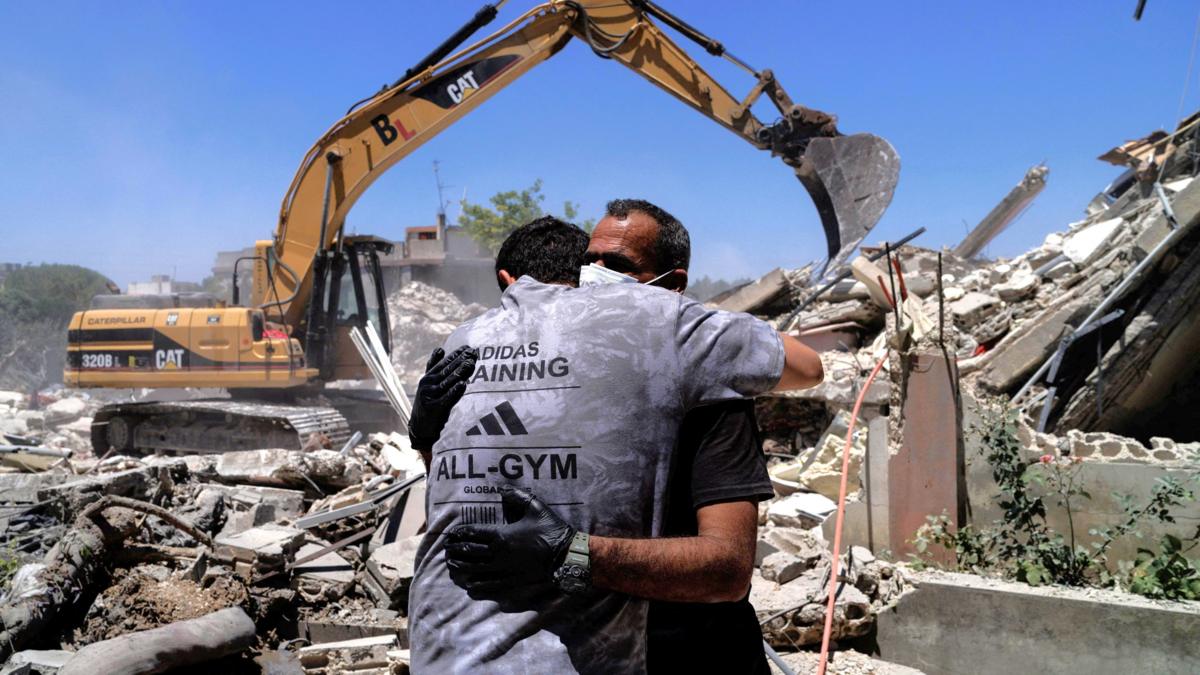
- Israel's campaign has displaced some 1.2 million people, including hundreds of thousands from southern Lebanon, according to Lebanese authorities and UN agencies
- Itamar Ben-Gvir called the ceasefire a "serious mistake" and demanded Prime Minister Benjamin Netanyahu bring it to a cabinet vote, arguing Hezbollah would not pull back and the Lebanese Armed Forces cannot compel compliance
Why it matters: With Hezbollah refusing the deal and Israel digging in, the sixth ceasefire declared from Washington since April collapses before taking hold, directly blocking the Lebanon precondition Iran set for any broader U.S.-Iran accord. The roughly 1.2 million displaced Lebanese remain trapped in a conflict Israel invaded in March in parallel with the Iran war, and the killing of a UN peacekeeper signals the fighting is widening, not contracting.
Ask SkimNews