Pentagon Stalls 30+ Wind Farm Reviews — SkimNews

Get the Tech newsletter
Daily tech — startups, AI labs, chips, the launches that shape the next decade. Free.
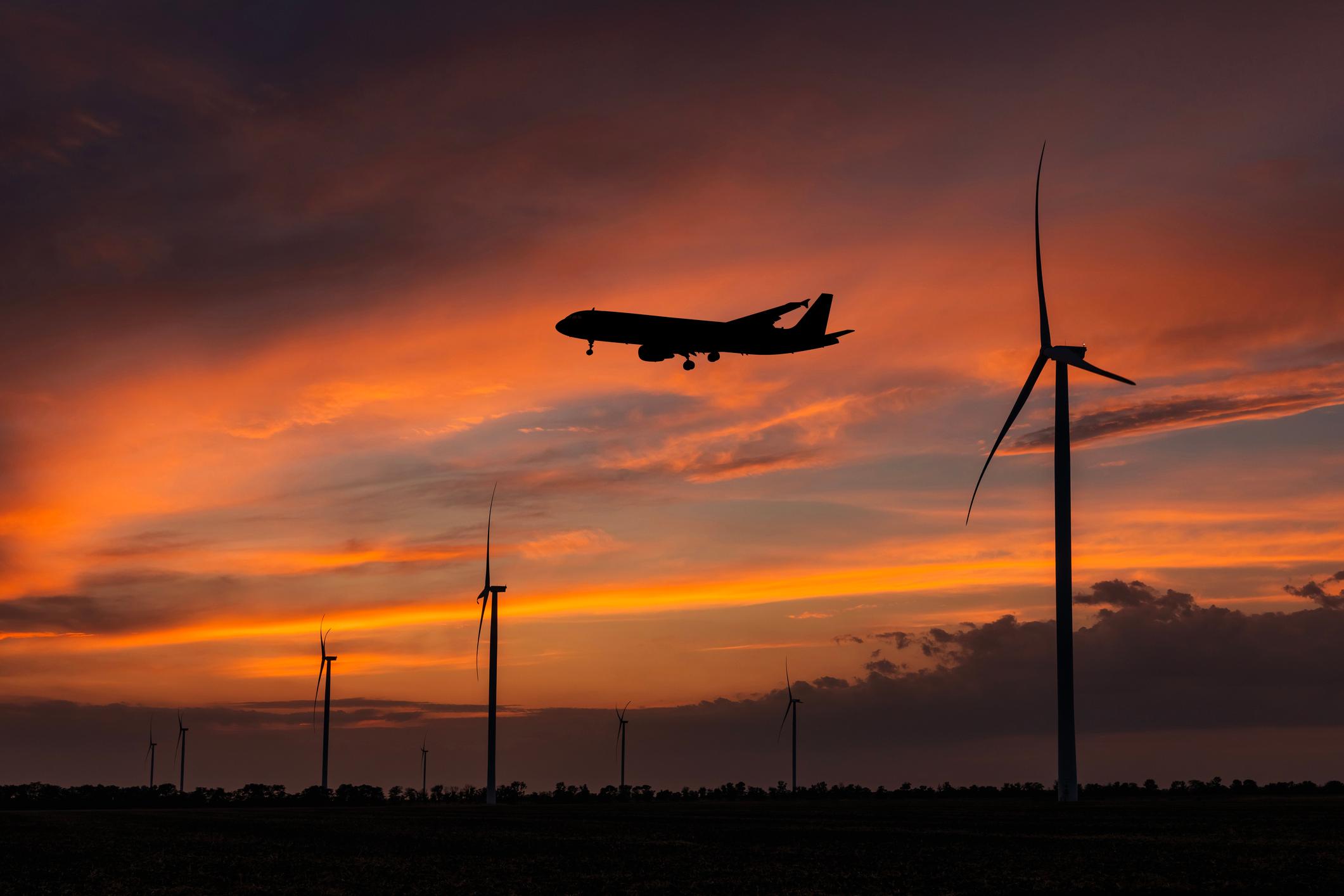
- The Pentagon is sitting on military reviews for at least 30 onshore wind farm projects, with "mitigation agreements" piling up unsigned over the last several months — what American Clean Power Association head Jason Grumet called "direct obstruction."
- The stalled projects represent roughly 7.5 gigawatts of capacity (200-300 MW each), enough to power several cities or multiple large data centers, according to Grumet.
- The American Clean Power Association sent a letter to Assistant Secretary of Defense Dale Marks earlier this month and has hinted it could sue under federal administrative law if it doesn't hear back by April 8.
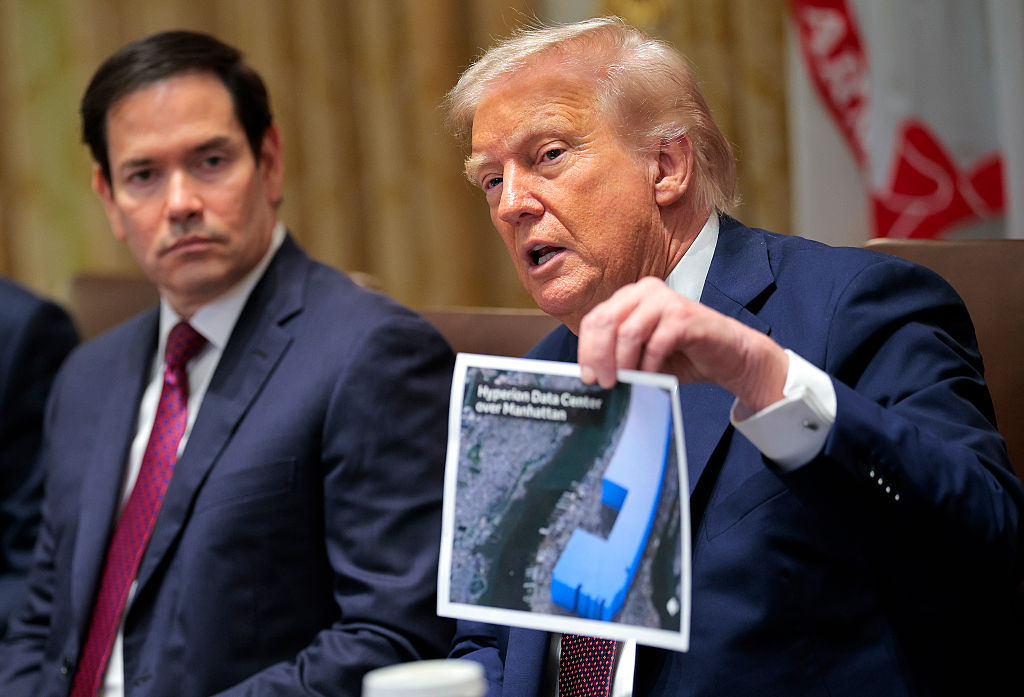
- President Trump has been explicit about his opposition: "My goal is to not let any windmill be built," he said at a White House meeting earlier this year, calling turbines "losers" — and the administration has cited national security in offshore wind lawsuits that have repeatedly failed in court.
- Interior Secretary Doug Burgum — who oversaw wind power growth as North Dakota governor — told Axios at CERAWeek that onshore wind is more affordable and has fewer national security concerns, adding: "North Dakota is not an attack vector."
- Separately, the Interior Department announced a deal last week with TotalEnergies to cancel $1 billion in offshore wind leases and redirect the money to oil and gas projects.
- The Pentagon and White House did not respond to Axios's requests for comment, and the odds of Congress passing permitting reform this year have slipped to 25% (from 30%) per Rapidan Energy Group.
Why it matters: A self-defeating bottleneck: the same Trump administration publicly championing AI data center buildouts is, through Pentagon inaction, holding up roughly 7.5 GW of wind capacity that could power them. With 30+ projects stalled and an April 8 lawsuit deadline looming, the clock is ticking on whether the administration will ease or double down on what its own Interior Secretary calls an affordable, low-risk energy source.
Ask SkimNews