Agentic AI to Power 40% of Enterprise Apps by 2026 — SkimNews
SkimNews Take
The increasing autonomy of agentic AI, while promising for diverse applications, simultaneously expands the attack surface for cyber threats, as current security paradigms struggle to monitor and control self-directed systems.
Get the Tech newsletter
Daily tech — startups, AI labs, chips, the launches that shape the next decade. Free.
- Industry estimates: by 2026, nearly 40% of enterprise applications are expected to incorporate task‑specific AI agents.
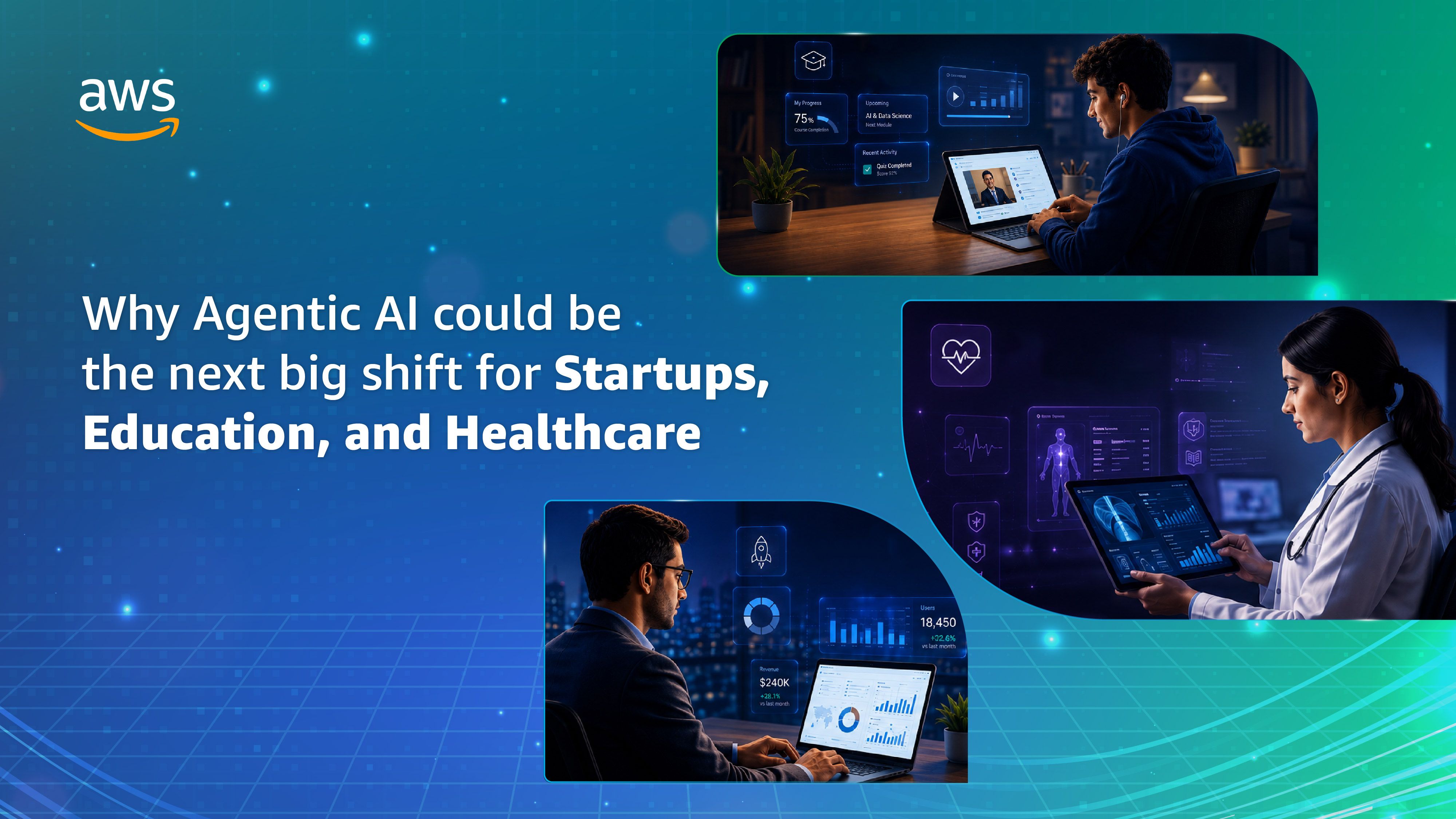
- Startups: are using GenAI to build AI‑first experiences that scale without proportional cost increases, deploying AI‑driven customer interfaces across chat, voice, and WhatsApp.
- Education platforms: are leveraging AI to generate curriculum‑aligned content, assessments, AI tutors, and multilingual experiences, with agentic AI adapting to individual learning patterns and reducing content‑creation time.
- Healthcare organizations: are adopting GenAI for clinical documentation, data processing, intelligent assistants, and automating administrative workflows, improving efficiency and decision‑making.
- CloudThat Technologies: as an AWS Premier Tier Services partner, helps organizations design cloud‑native, event‑driven architectures and governance frameworks to embed AI into core workflows.
- Prarthit Mehta: CTO of CloudThat, says the real value of Generative AI emerges when it is embedded into core business workflows, and architecture, governance, and integration matter as much as the models.
Why it matters: Startups, schools, and hospitals that embed agentic AI into their core processes can cut costs, accelerate decision‑making, and scale services, while firms that treat AI as a siloed pilot lose competitive advantage, face higher operational expenses, and risk security gaps.
Ask SkimNews