Kagan Condemns Trump Iran War in The Atlantic — SkimNews
Get the Geopolitics newsletter
Daily geopolitics — wars, elections, sanctions, the diplomatic moves that move markets. Free.
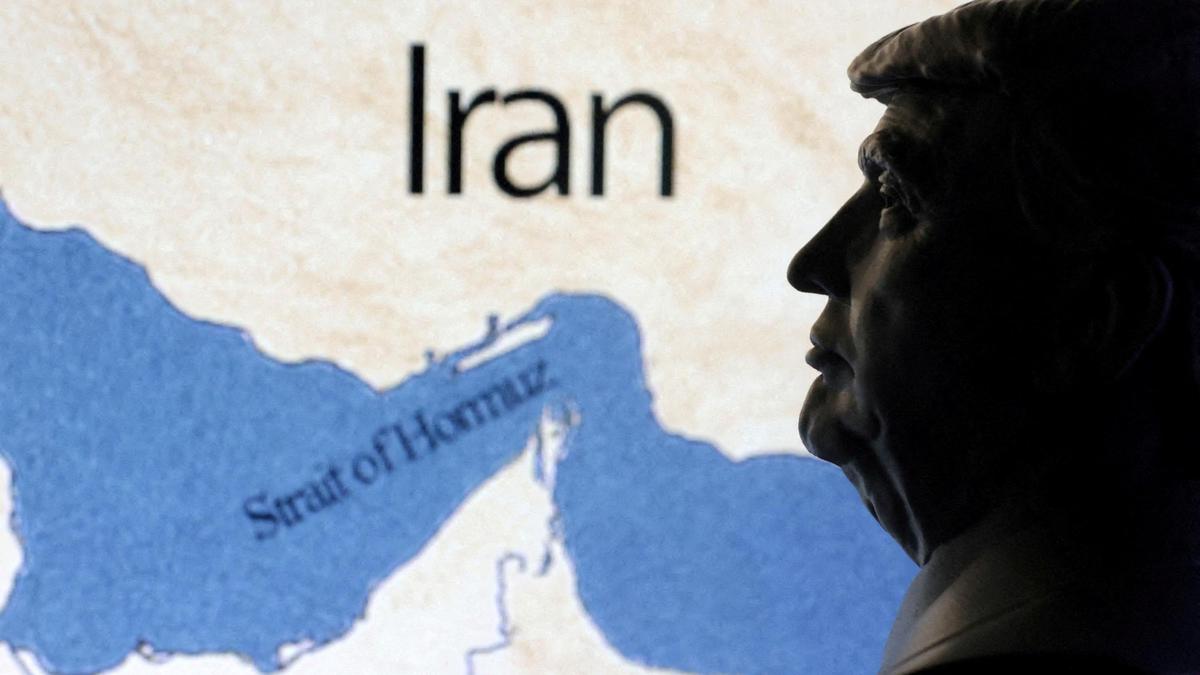
- Robert Kagan wrote in The Atlantic in March that the Trump administration's Iran war has been a catalyst for, rather than a prudent response to, Islamic terrorism — surprising fellow hawks.
- Kagan served as head of the State Department's Office of Public Diplomacy from 1985-88 supporting Nicaragua's Contra insurgents and co-founded the neoconservative Project for the New American Century in 1997.
- Kagan rejected the "neoconservative" label, calling himself a "liberal" and tracing his foreign policy tradition to progressive American liberalism.
- Kagan defended his 2003 Iraq war support, arguing Saddam Hussein was unique in having invaded both Iran and Kuwait — contrasting him with Iran, which he noted has never attacked its neighbors.
- Kagan acknowledged elements of the Iraq war were mistakes, particularly the insufficient troop deployment and Rumsfeld's push for early withdrawal, but said the war's worst legacy was turning Americans against U.S. global engagement.
- The Costs of War Project at Brown University documented at least 180,000 civilian deaths from direct war violence, 4,500 U.S. service member deaths, and trillions in long-term costs from the Iraq war and its aftermath.
- Kagan disputed the notion that the Iraq war caused a reputational disaster, arguing U.S. alliances — even with countries that opposed the war — actually strengthened in Bush's second term.
Why it matters: Kagan's public break with Trump's Iran policy exposes a fissure within the hawkish establishment that drove two decades of U.S. Middle East intervention. His simultaneous defense of the 2003 Iraq invasion — even while acknowledging it triggered 180,000 civilian deaths per Brown University's Costs of War Project — shows the architects of past wars grappling with consequences while still resisting broader restraints on U.S. military power.
Ask SkimNews