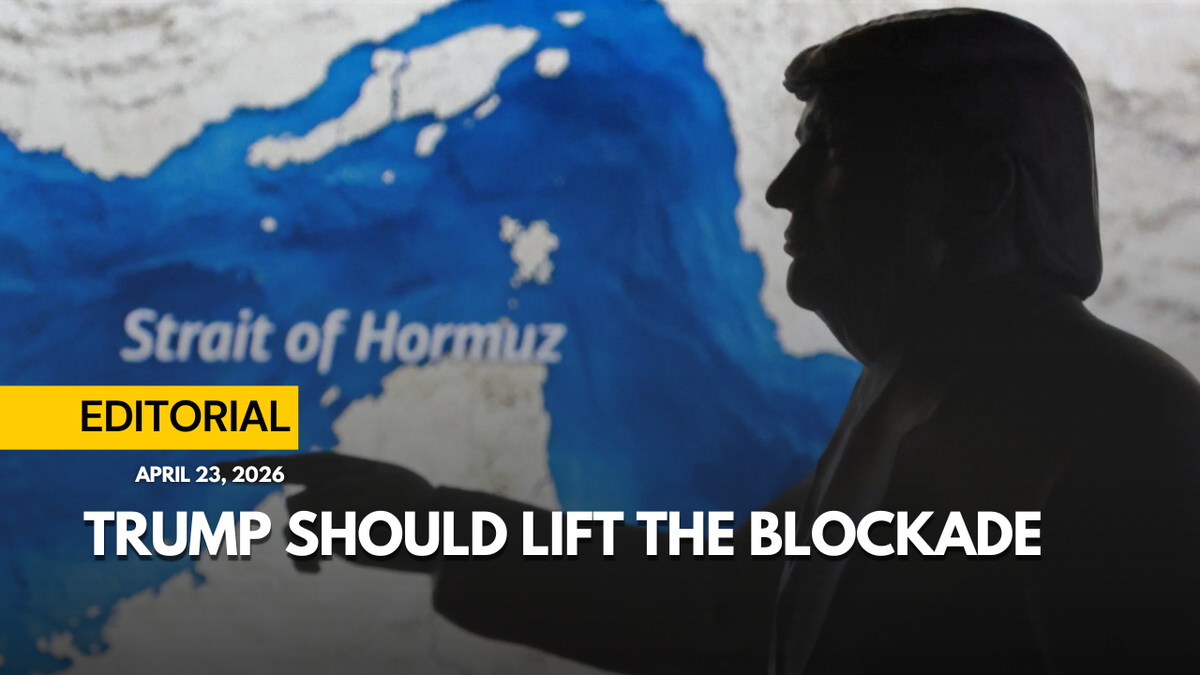
U.N. Body Proposed to Oversee Hormuz, End Iran War

Get the Geopolitics newsletter
Daily geopolitics — wars, elections, sanctions, the diplomatic moves that move markets. Free.
- The Trump administration has fallen prey to the sunk cost fallacy in the Iran war, with U.S. negotiating leverage diminishing as munitions are exhausted and domestic political consequences mount, the analysis argues.
- A June memorandum of understanding between the U.S. and Iran collapsed due to ambiguity in sections 4 and 5 covering the Strait of Hormuz, leaving each government able to credibly blame the other for noncompliance.
- Section 9 of the MOU committed Iran to maintain the nuclear status quo, and since the 12-day war in June 2025, Iran has not been enriching uranium or building new centrifuges—leverage the analysis says Trump can lock into a first-step deal.
- The article recommends the U.S. permanently reissue General License X—the Treasury authorization for Iranian oil sales—without an end date, contingent on Iran avoiding obstruction of shipping through the Strait of Hormuz.
- Omani officials proposed a regional body to oversee Hormuz maritime security, but the analysis argues for a U.N.-auspices mechanism including Iran, Oman, and a rotating Gulf seat focused on remote traffic monitoring—not a security mandate that could enable aggression.
- The administration is seeking a 'quick-win deal to bring down gas prices before the U.S. midterm elections,' but the analysis warns this would erode already-diminished U.S. leverage and fail to address Iran's ongoing strikes on Gulf partners.
- Houthi attacks on Saudi oil exports have added precarity to a conflict that has already caused global economic shocks, damaged U.S. credibility, and forced Gulf allies into a war they had advocated against.
Why it matters: The article warns the administration's push for a pre-midterms 'quick-win deal' would erode already-diminished U.S. leverage. A U.N.-mediated Hormuz monitoring mechanism paired with a permanent Treasury oil license for Iran could lock in Iran's post-June 2025 nuclear freeze—enrichment and centrifuge construction remain halted—while avoiding precedents that undermine freedom of navigation.