Pakistan’s US‑Iran Mediation Falters Amid Regional Wars — SkimNews
Get the Geopolitics newsletter
Daily geopolitics — wars, elections, sanctions, the diplomatic moves that move markets. Free.
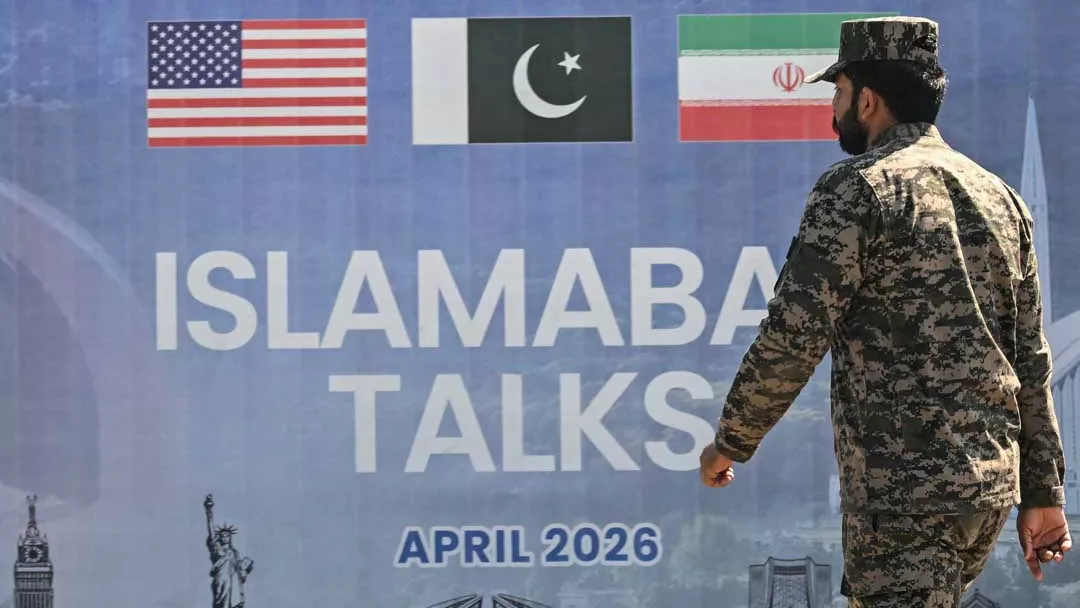
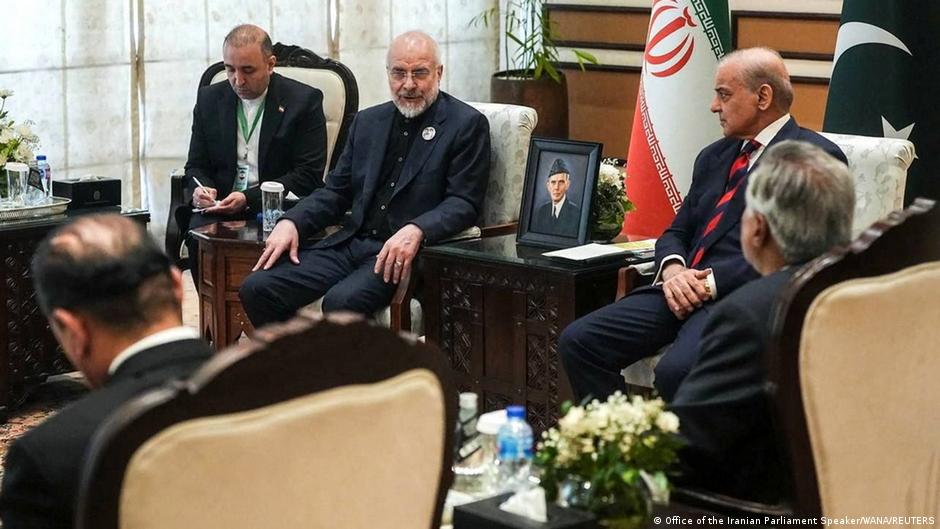
- Pakistan hosted US‑Iran negotiations on April 11‑12 in Islamabad, which ended without a peace deal but were praised by both sides.
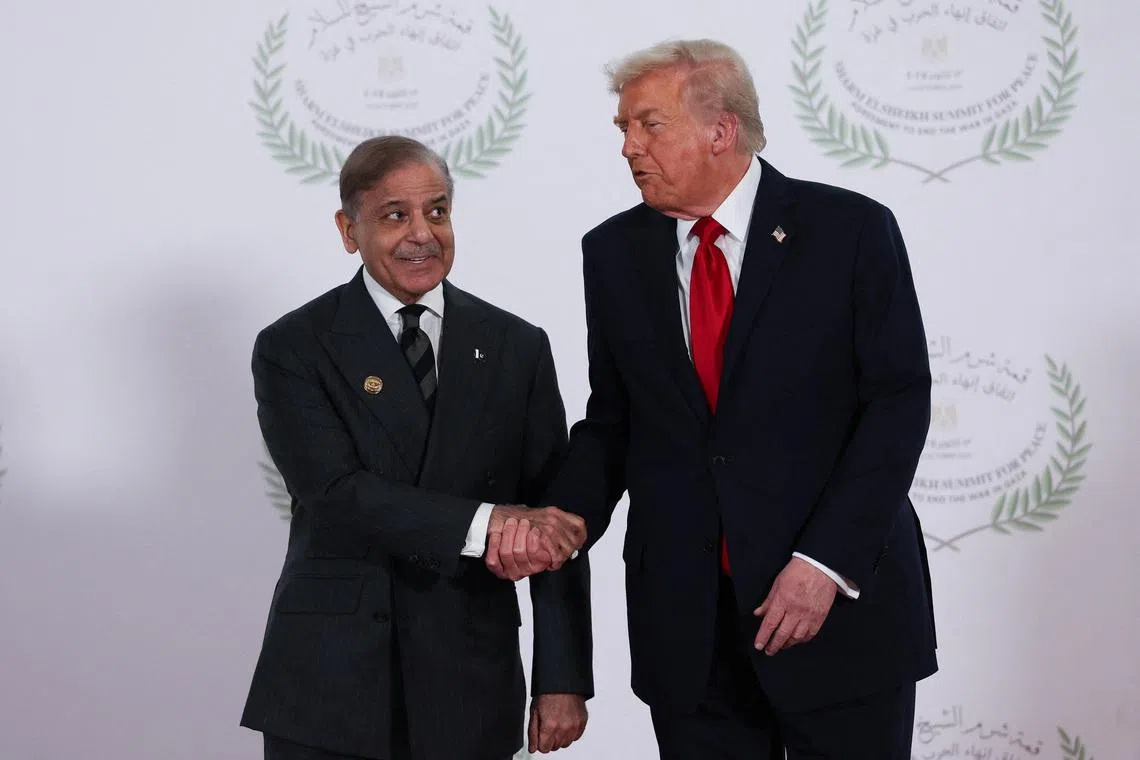
- Trump lauded Pakistani Prime Minister Shehbaz Sharif and Field Marshal Asim Munir on social media, claiming they saved 30‑50 million lives from a potential war with India.
- JD Vance told reporters that a key condition for reviving talks is Iran’s affirmative commitment not to pursue nuclear weapons.
- Afghanistan remains in an “open war” with Pakistan, with the Pakistani air force targeting militant hideouts inside Afghanistan, while India and Pakistan continue strained relations after the May 2025 Kashmir escalation.
- Farooq Sulehria argues that Pakistan’s contradictory peacemaker image stems from its ideological focus on India and its security concerns with the Taliban, who are “cozying up” to New Delhi.
- Fatemeh Aman counters that Pakistan’s dual approach—diplomacy with the US‑Iran issue and security operations against Afghanistan—reflects different pressures rather than a double standard.
- Imran Khan’s party faced a crackdown and the military conducted operations in Balochistan and Khyber Pakhtunkhwa, which analysts say undermines Pakistan’s democratic image and its global peacemaker branding.
Why it matters: Pakistan gains diplomatic visibility from hosting the US‑Iran talks, but the continued “open war” with Afghanistan, strained ties with India, and a crackdown on opposition figures erode its credibility, limiting its ability to act as a trusted mediator in regional conflicts.
Ask SkimNews