Iran, US Sign 14‑Day Ceasefire, Boosts China, Russia

Get the Geopolitics newsletter
Daily geopolitics — wars, elections, sanctions, the diplomatic moves that move markets. Free.
- Iran and Washington entered a 14‑day ceasefire, with both sides claiming victory.
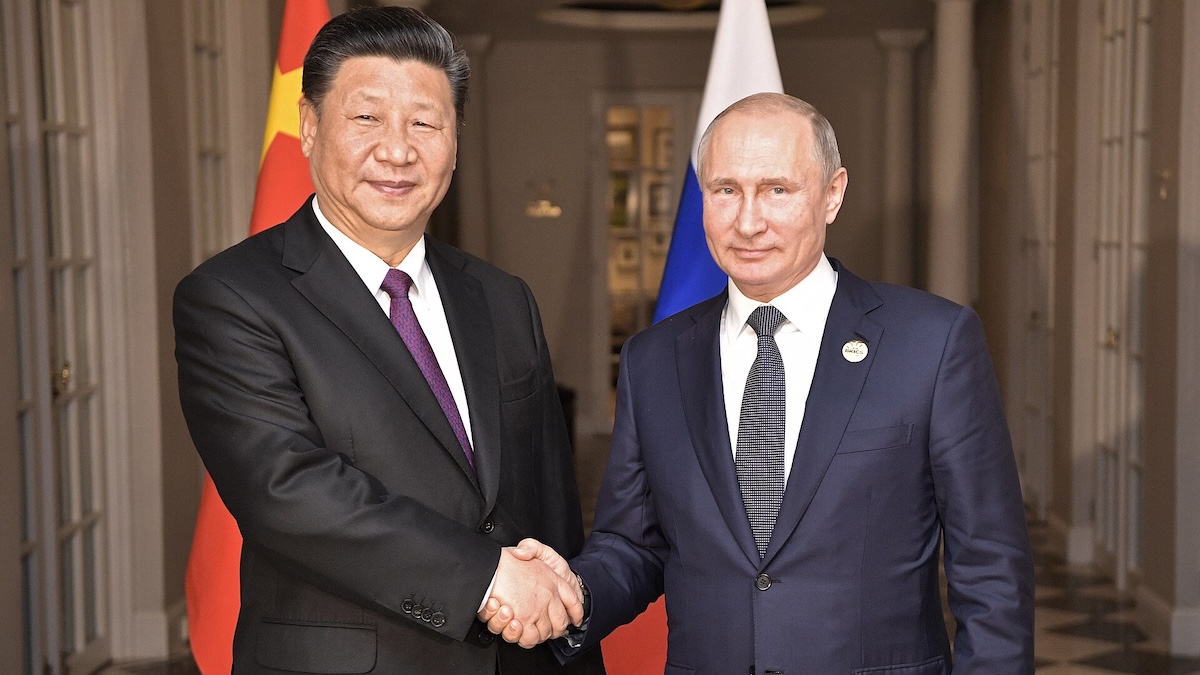
- Russia and China limited their support to Iran to small‑scale intelligence and diplomatic assistance, avoiding full‑throated involvement.
- Trump’s May 2025 Gulf tour secured major technology and economic deals with Saudi Arabia, the United Arab Emirates, Qatar and Bahrain, aiming to counter China’s influence.
- Strait of Hormuz closure by Iran, affecting about 20% of global oil, boosted oil prices and temporarily eased US sanctions, benefiting Russia’s war economy.
- China pressed Iran to accept the 14‑day ceasefire proposal brokered by Pakistan, reinforcing its role as a global mediator.
- The US national security strategy released in November 2025 prioritized the Western Hemisphere and Indo‑Pacific, stating the Middle East’s importance “will recede,” a stance contradicted by the war in Iran.
- Assad fell in December 2024, depriving Russia of its reliable regional ally.
Why it matters: The ceasefire erodes U.S. credibility as a mediator, while Russia benefits from higher oil prices and a weakened rival, and China expands its diplomatic clout by brokering the deal, shifting regional influence away from Washington. Additionally, the U.S. strategy that deprioritized the Middle East is contradicted, exposing strategic inconsistencies and prompting Gulf states to seek alternative security partners.
Ask SkimNews