China Wins Iran War Without Firing a Shot — SkimNews

Get the Geopolitics newsletter
Daily geopolitics — wars, elections, sanctions, the diplomatic moves that move markets. Free.
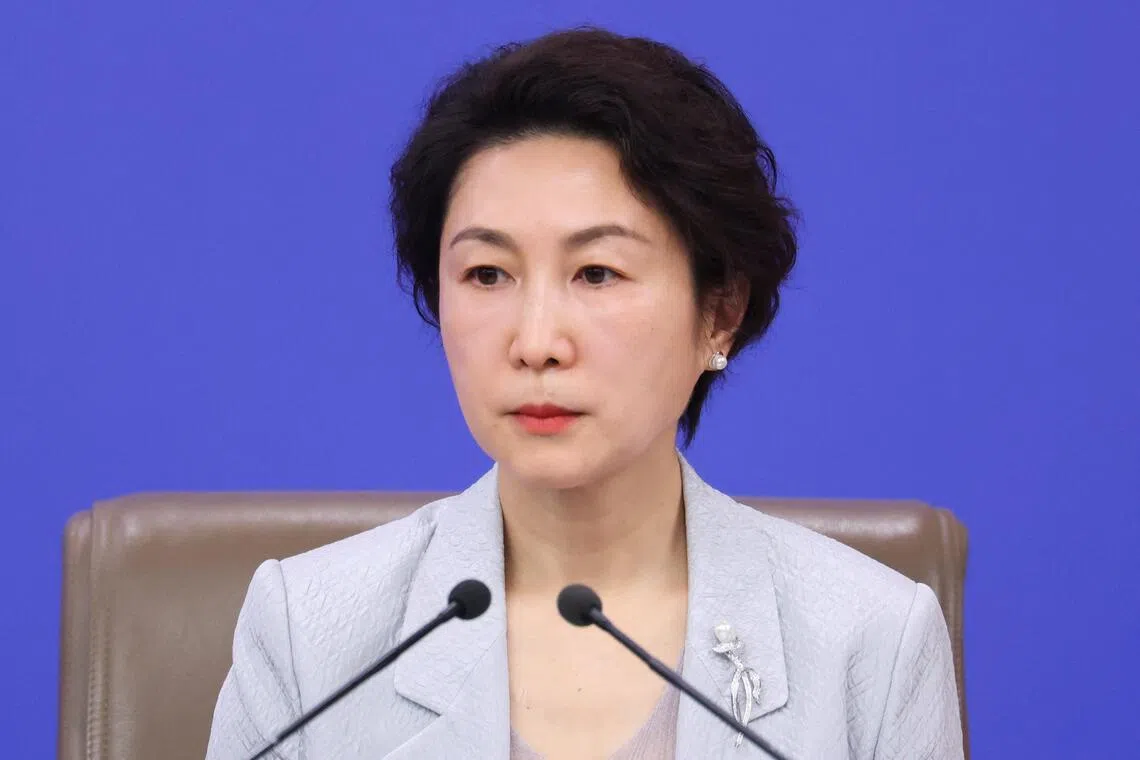
- China's Foreign Ministry spokesman Lin Jian welcomed the first-stage US-Iran memorandum of understanding, urging Israel and other parties to follow the "overwhelming trend of peace and stability" in the region.
- The Strait of Hormuz carried nearly 15 million barrels of crude oil per day — about 34% of global seaborne crude trade — in 2025, with approximately half of China's crude oil imports transiting the waterway, according to IEA data cited in the piece.
- The memorandum reportedly includes a $300 billion private Reconstruction and Development Fund for Iran, structured as a private investment vehicle rather than a government program, with more than half the proposed investment already committed by companies across the Gulf, Asia, Africa and South America.
- Iranian oil exports will resume under sanctions waivers in the deal, increasing global supply, and oil prices retreated immediately as traders anticipated additional supply and lower shipping risks through the waterway.
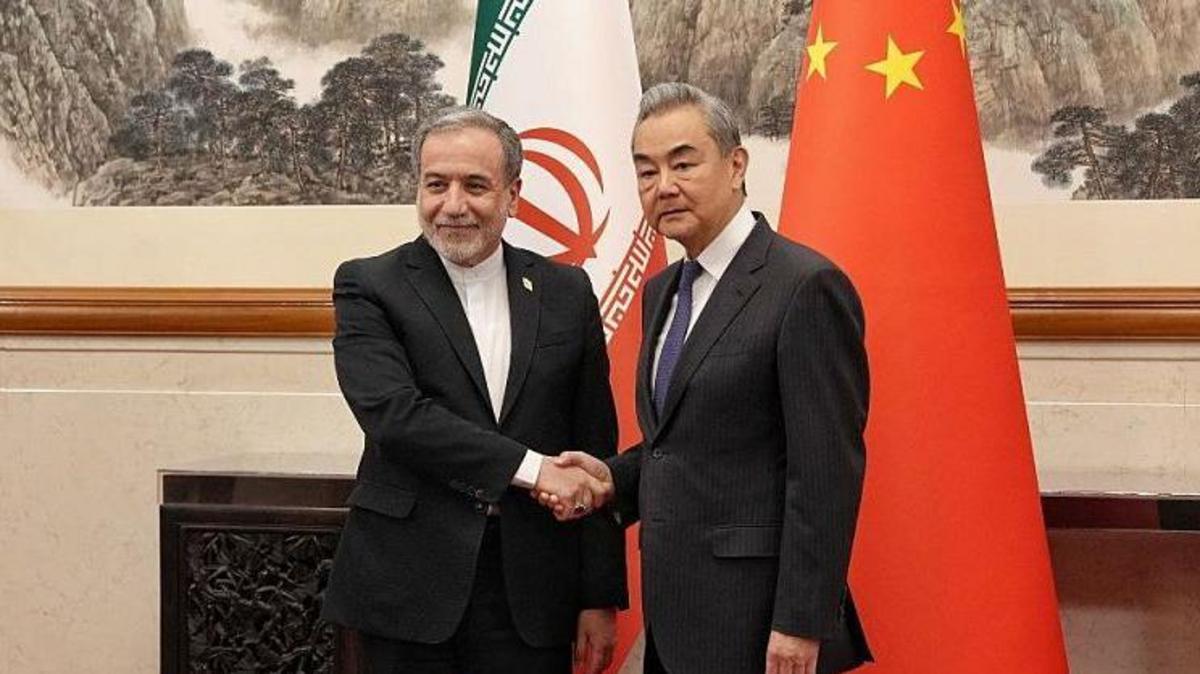
- Beyond oil access, China spent a decade building Gulf positioning through a 25-year comprehensive cooperation agreement with Iran, expanded energy partnerships with Saudi Arabia and the UAE, and a role brokering the 2023 Saudi-Iran rapprochement under the Belt and Road Initiative.
Why it matters: Reopening the Strait of Hormuz removes a critical supply-chain threat for Chinese industry — about 50% of China's crude imports transit the strait — while a reported $300 billion reconstruction fund with more than half its investment pre-committed means Beijing's decade of Gulf energy diplomacy converts into durable commercial advantage without China having to negotiate the deal or fight the war.
Ask SkimNews