China’s Xi Jinping launches new AI alliance: What is it? — SkimNews

Get the Geopolitics newsletter
Daily geopolitics — wars, elections, sanctions, the diplomatic moves that move markets. Free.
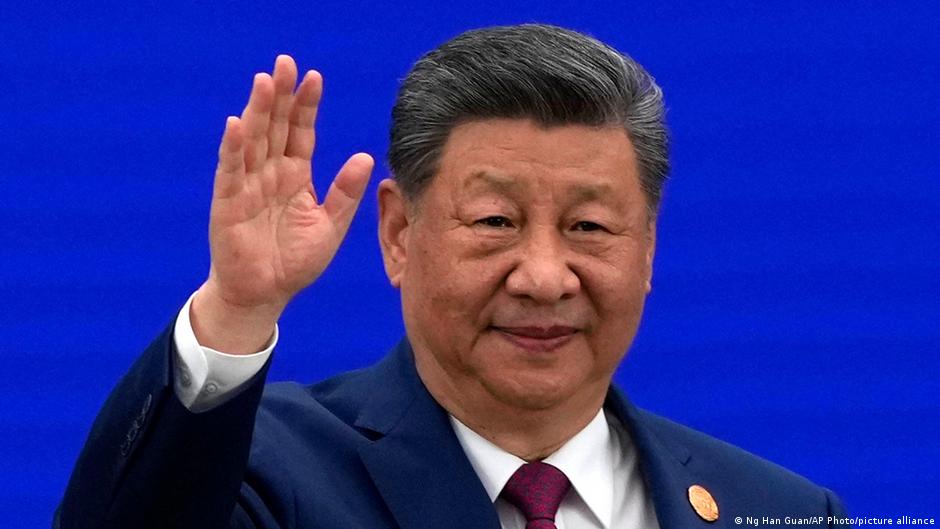
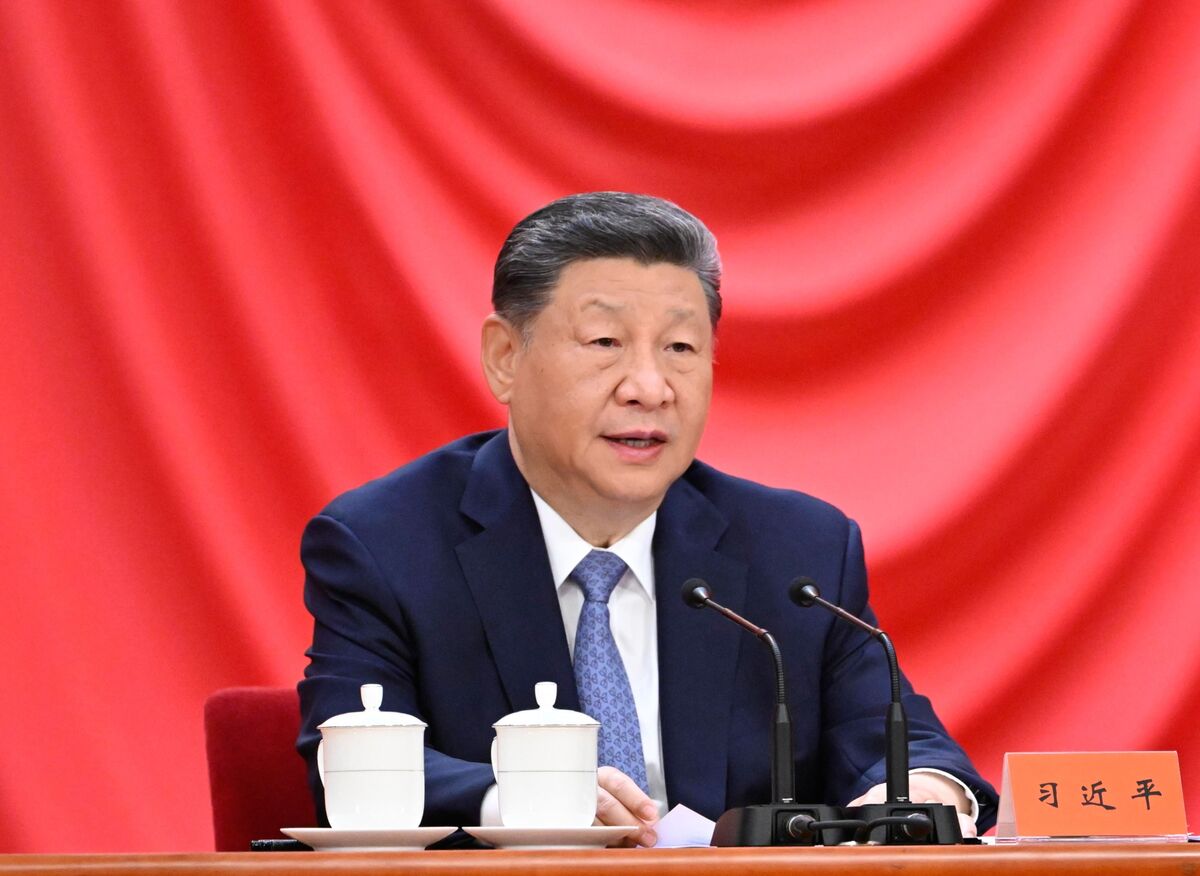
- Xi Jinping told the World AI Conference in Shanghai that AI development should be 'a symphony of international cooperation' rather than 'a solo performance by a single country,' announcing continued AI capacity-building cooperation with African, Latin American, and Asian nations.
- The World Artificial Intelligence Cooperation Organisation (WAICO) was formally established on July 16, 2026, with 29 founding member nations including Indonesia, Brazil, Malaysia, South Africa, Senegal, Russia, and Pakistan, and is headquartered in Shanghai.
- United Nations Secretary-General António Guterres attended WAICO's high-level launch event, giving Beijing a platform analysts expect it to use to shape how AI policy is framed at the UN.
- China generates more than twice as much electricity as the US, giving it a structural edge in powering the data centres needed to train AI models, though it still lags behind the US in access to the most advanced semiconductors and dominates production of the rare earth minerals critical to chip manufacturing.
- The US Department of Commerce in May affirmed restrictions on shipments of critical semiconductors to subsidiaries of Chinese-headquartered companies, prompting Beijing to retaliate by barring exports of dual-use technology and critical minerals to US firms.
- Carnegie Endowment governance expert Arindrajit Basu argued that with 'Washington rapidly retreating from global cyber and AI norms-setting processes,' Beijing is moving to fill the vacuum and seeking Global South buy-in for a 'state-centric governance vision of technology.'
Why it matters: Beijing has built a 29-nation institutional channel — WAICO — with the UN Secretary-General in attendance, to shape AI norms in its preferred direction while Washington retreats from global AI governance, according to Carnegie analyst Arindrajit Basu. Carve-out from US chip restrictions and asymmetric Chinese advantages in energy and rare earths give the alliance both messaging reach and material backing.
Ask SkimNews