Have World Cup changes made final group stage games unfair? — SkimNews
Get the Sports newsletter
Daily sports — scores, transfers, the storylines from the leagues you actually follow. Free.
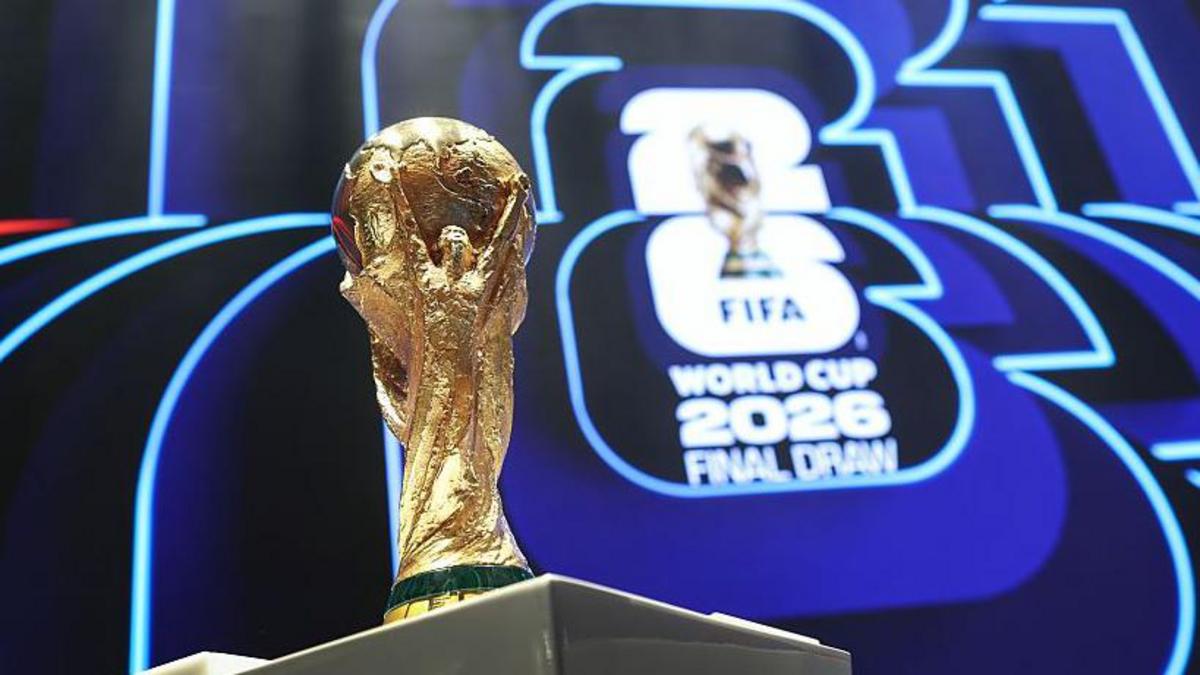
- The 2026 World Cup uses head-to-head records as the primary tiebreaker instead of goal difference for the first time, with 32 of 48 teams advancing to the knockout round and a third-place table awarding eight slots — a format last seen in 1994.
- Eight teams already have their fate sealed after two matches: Mexico, USA, Germany, and Argentina are locked as group winners, while Haiti, Turkey, Tunisia, and Jordan are eliminated, including Argentina's 6-point Group J that sent both Austria and Algeria into the third-place fight.
- Across the three most recent Euros (2016, 2020, 2024), only seven teams in total were eliminated or qualified after two games — the article frames this World Cup's pace as a sharp escalation.
- Scotland face Brazil on Wednesday (23:00 BST) on three points with a goal difference of zero, and could face an anxious wait until roughly 05:00 BST Sunday — when Group J completes — before learning whether they are among the top eight third-place teams.
- Algeria and Austria meet in Saturday's Group J finale with both on three points, a scenario the article directly compares to the 1982 West Germany–Austria "disgrace of Gijón" match; a mutually convenient draw would send both through.
- Australia and Paraguay in Group D can likewise play for a draw that advances both, mirroring Austria-Ukraine at Euro 2020 and Sweden-Denmark at Euro 2004.
- At Euro 2024, Portugal coach Roberto Martinez made eight lineup changes against Georgia, who won 2-0, advanced, and knocked out Hungary — a precedent the article flags as likely to repeat, with Germany potentially fielding a weakened side against Ecuador on Thursday.
Why it matters: The format hands already-qualified teams like Germany and Argentina an incentive to rest starters, and the article explicitly cites Portugal's eight-change rotation at Euro 2024 — which let Georgia through and eliminated Hungary — as a template likely to repeat. For teams like Scotland playing early on the final matchday, the asymmetry is severe: they could be eliminated before later fixtures kick off, and Scotland could face a round-of-32 opponent just 40 hours 30 minutes after the group stage ends.
Ask SkimNews