Patagonian Moscardón Bumblebee Named Invertebrate of the Year — SkimNews

Get the Energy newsletter
Daily energy & climate — solar, EVs, oil, the policy fights and tech bets shaping the transition. Free.
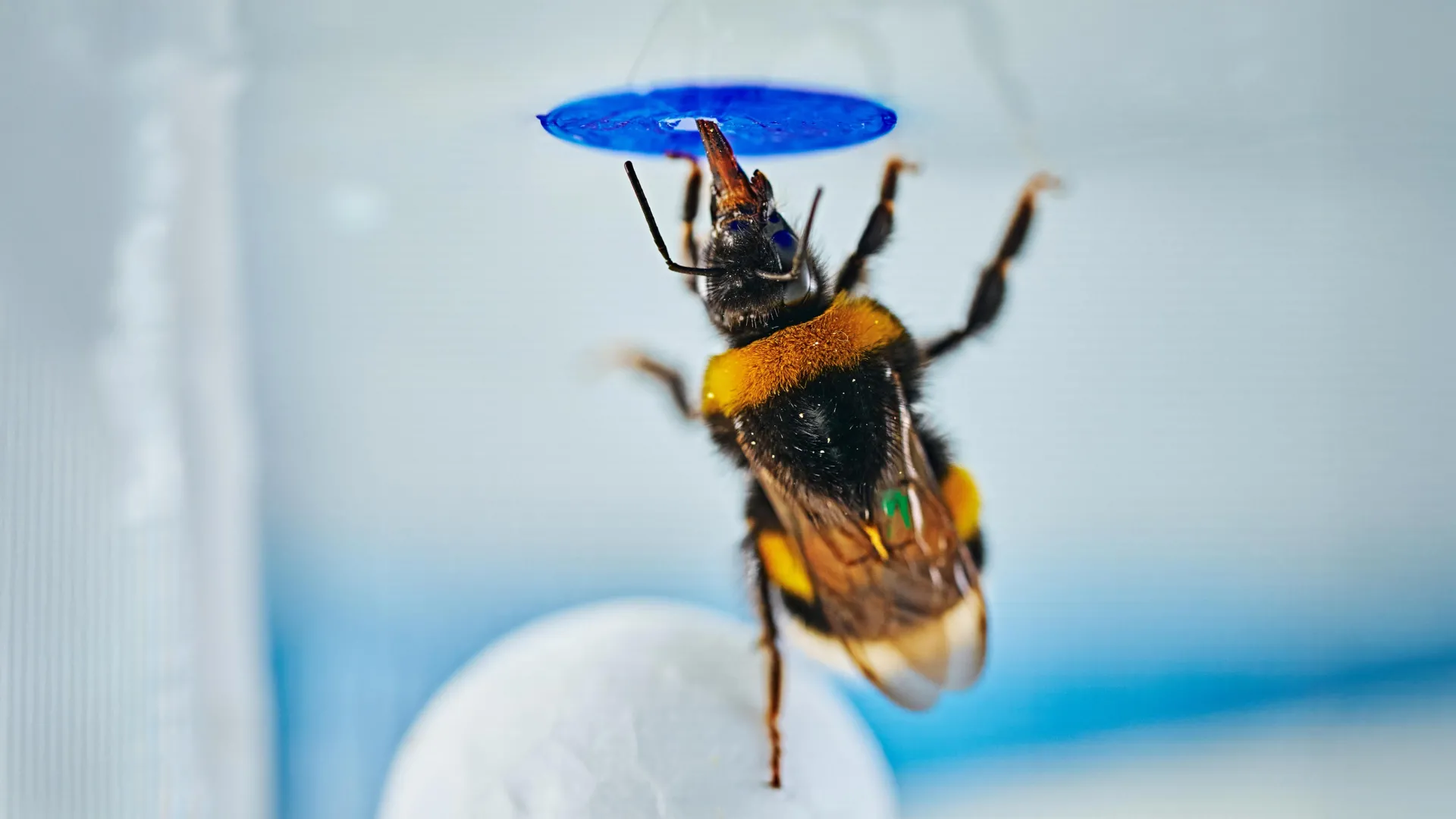
- Bombus dahlbomii — the moscardón, a Patagonian endemic found in Argentina and Chile — has been named Invertebrate of the Year; it is the largest of roughly 250 bumblebee species, with furry females reaching 4cm in length and weighing up to 1.5g.
- Bombus dahlbomii uses a special receptor system to detect the color red, enabling it to pollinate the red Chilean bellflower (Lapageria rosea) and the Peruvian lily (Alstroemeria aurea), plants most bees cannot see and therefore avoid.
- Bombus ruderatus and Bombus terrestris, two European bumblebees imported to Chile since the 1980s to assist commercial agricultural pollination, have rapidly spread into Argentina and Chile, outcompeting the moscardón and introducing novel pathogens that are decimating native populations.
- The invasive bumblebees are now too widespread to be eradicated, and their pollination activity is also accelerating the spread of invasive non-native European plants such as broom.
- Anton Gradišek, a researcher in Ljubljana, Slovenia, nominated Bombus dahlbomii as part of an academic bioacoustics project studying the endangered bee, calling bumblebees "the pandas of the insect world" after field surveys found only a handful remaining.
- The moscardón's decline threatens a wider web of native species — including endemic mites that live on the giant bumble — beyond the usual drivers of habitat loss and destruction.
Why it matters: A species imported to Chile over 40 years ago for commercial pollination is now irreversibly damaging a native Patagonian pollinator and the endemic plants and mites that depend on it, with no realistic path to removal — a textbook case of well-intentioned agricultural intervention turning into permanent ecological loss.
Ask SkimNews