India Hits 2.3M EV Registrations, State Incentives Boost — SkimNews
Get the Energy newsletter
Daily energy & climate — solar, EVs, oil, the policy fights and tech bets shaping the transition. Free.
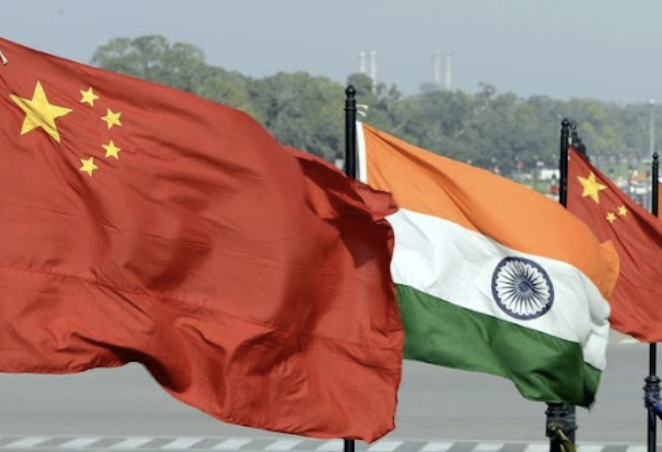
- China pursued EV scale through centralized subsidies, protected automakers, and rapid localization of the battery supply chain, achieving massive manufacturing scale and low unit costs.
- India adopted a federalist “double‑incentive” framework, with the central PM E‑DRIVE scheme allocating ₹10,900 crore to buses, fleets, and charging infrastructure, while states implement tailored incentives.
- Maharashtra extended its EV Policy 2025 through 2030, offering toll‑free access on major expressways for EVs to lower operating costs for fleet operators.
- Delhi proposed a ₹50,000 retrofitting incentive for converting older petrol/diesel vehicles to electric and set aggressive charging‑infrastructure targets at metro stations and last‑mile hubs.
- Uttar Pradesh waived road tax and registration fees for early EV adopters and introduced women‑focused subsidies for electric two‑wheelers, driving the highest volume of EV registrations in India.
- India recorded 2.3 million cumulative EV registrations by end‑2025, representing about 57% two‑wheelers, 35% three‑wheelers, and 7% passenger vehicles, roughly 8% of new vehicle sales.
- China sold roughly 16.5 million new‑energy vehicles in 2025, dwarfing India’s total and highlighting the contrast between China’s export‑driven dominance and India’s affordability‑focused rollout.
Why it matters: India’s state‑driven incentives are expanding EV adoption among commercial fleets and two‑wheelers, lowering operating costs for operators and creating new market opportunities for battery manufacturers, while China’s subsidy‑heavy model faces overcapacity and fiscal strain. This shift gives Indian manufacturers a foothold in a growing domestic market.
Ask SkimNews