South Korea Abandons Denuclearization-First Policy
Get the Geopolitics newsletter
Daily geopolitics — wars, elections, sanctions, the diplomatic moves that move markets. Free.
- South Korea is moving away from its "denuclearization-first" policy, with Unification Minister Chung Dong-young announcing on July 23 that Seoul now aims to first freeze North Korea's nuclear program in exchange for reciprocal concessions short of full disarmament.
- Kim Yo Jong declared in June that North Korea's pursuit of a stronger nuclear arsenal is an "irreversible final conclusion," and on Monday rejected an ASEAN Regional Forum denuclearization call as having "lost its meaning conceptually and practically."
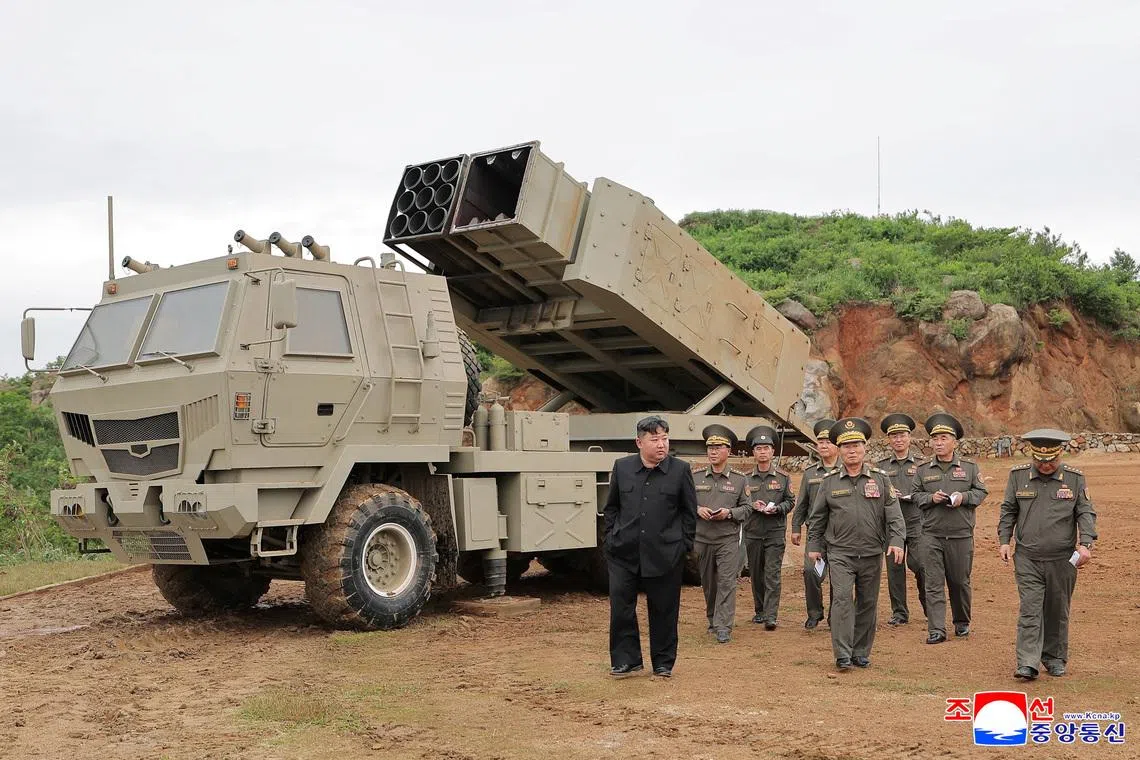
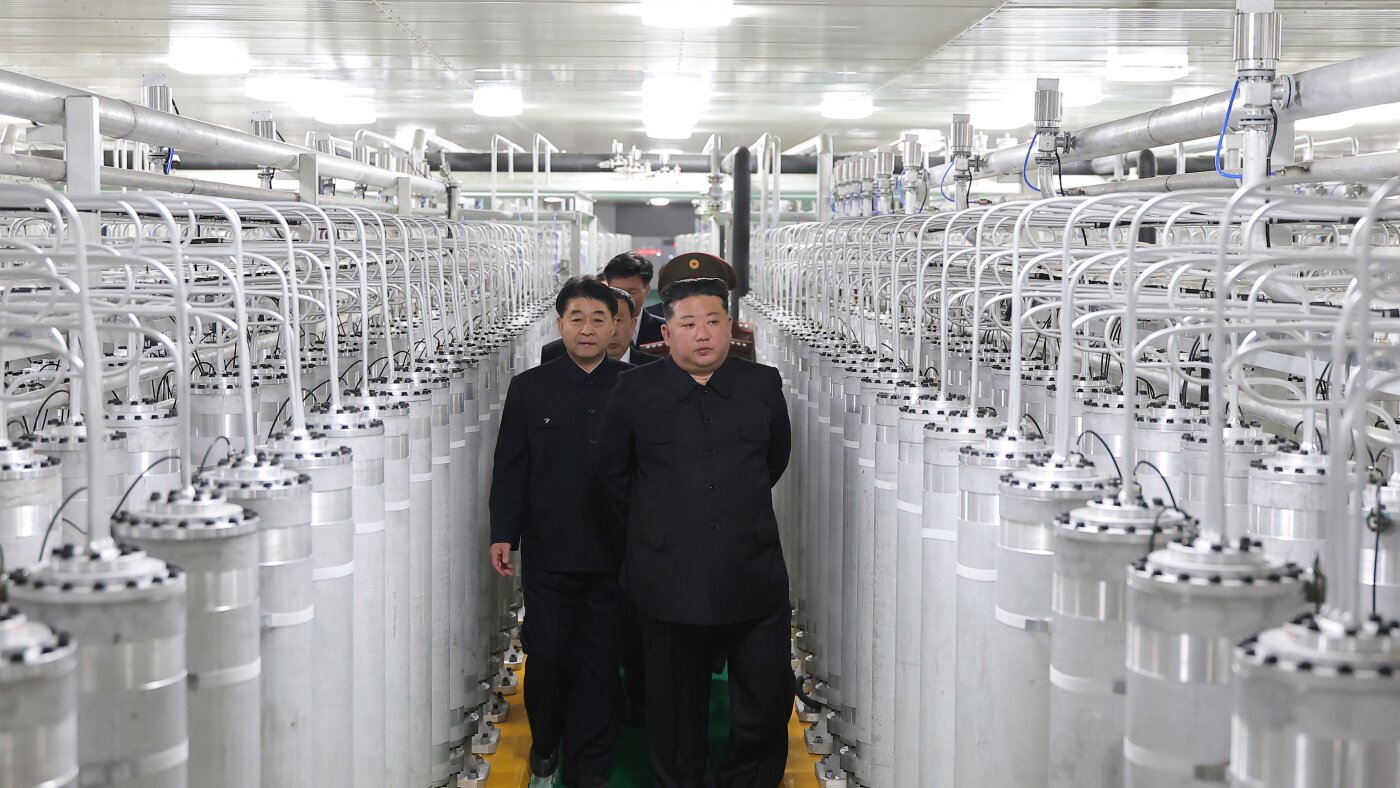
- North Korea currently possesses an estimated 60 nuclear warheads with enough fissile material for at least 30 more, per SIPRI, and Kim Jong Un stated in June that weapons-grade fissile material production capacity more than doubled over the past five years.
- Russia's Foreign Minister Sergey Lavrov said in September 2024 that North Korean denuclearization "no longer makes any sense" and is "off the table," reaffirming that position at last month's ASEAN foreign ministers meeting.
- China made no mention of denuclearization during President Xi Jinping's June visit to Pyongyang, while think tanks and a multinational monitoring body accuse Beijing and Moscow of evading UN sanctions on North Korean petroleum and coal.
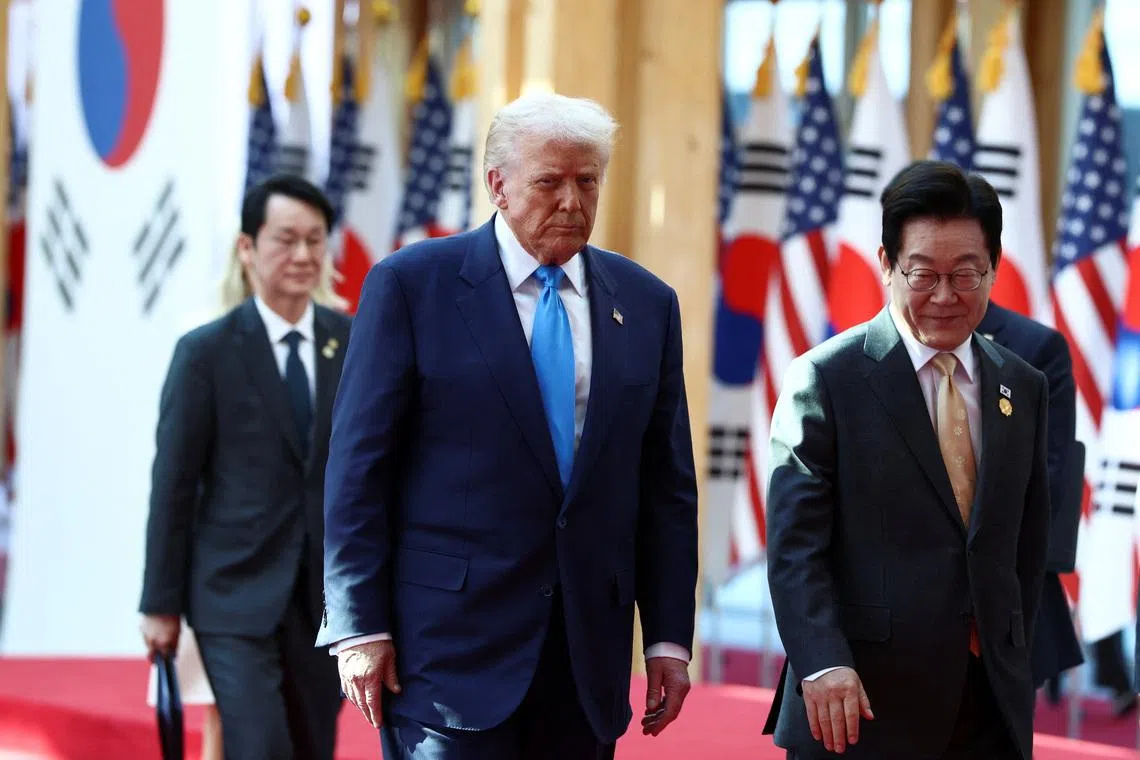
- President Trump has repeatedly called North Korea a "nuclear power" since returning to the White House, and last year's National Security Strategy omitted any mention of North Korea or denuclearization.
- KIDA senior researcher Lee Ho-ryung said Seoul's shift is "largely rhetorical and little different in substance from the previous approach," adding it would be "too naive to think they will come out to talk."
Why it matters: With China and Russia accused of evading UN sanctions and Lavrov declaring North Korean denuclearization "off the table," and both Beijing and the Trump administration softening their public stance, the international pressure framework that once constrained Pyongyang has eroded as its arsenal grows to an estimated 60 warheads.