Seoul Minister Uses 'DPRK' Name, Backs Two-State Korea — SkimNews

Get the Geopolitics newsletter
Daily geopolitics — wars, elections, sanctions, the diplomatic moves that move markets. Free.
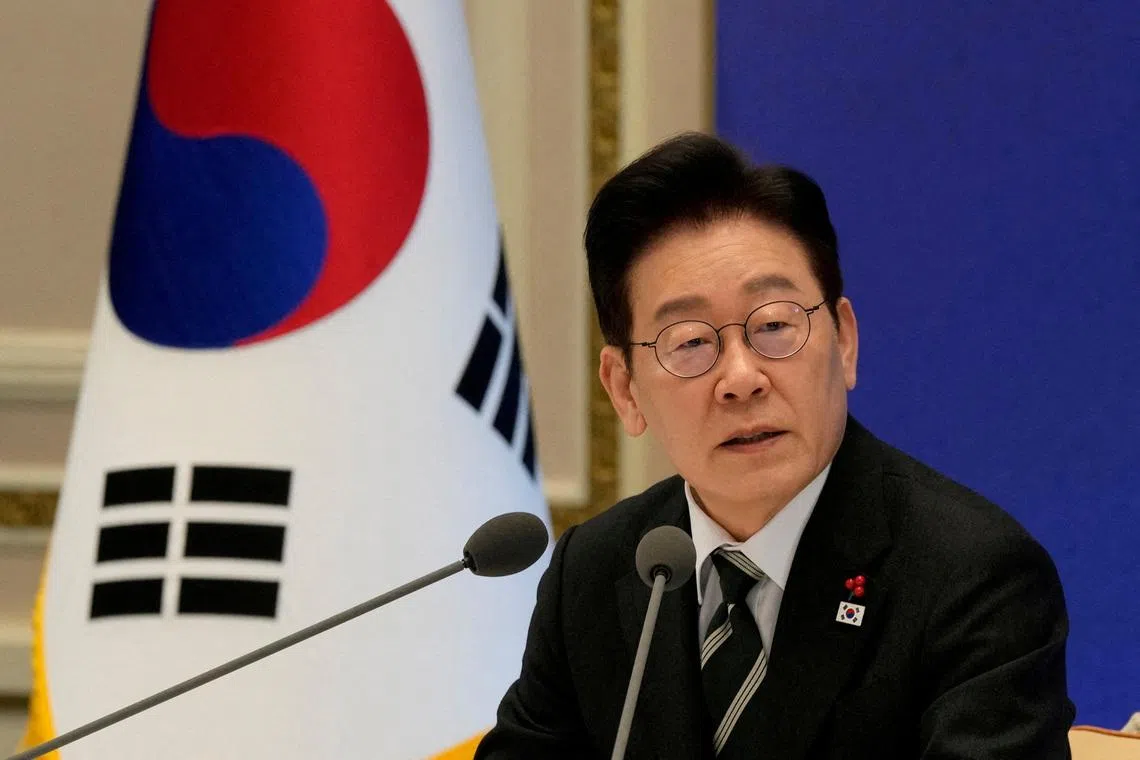
- Chung Dong-young referred to North Korea as the 'Democratic People's Republic of Korea' and called inter-Korean ties a 'Han-Jo relationship' at a March 25 Seoul symposium, the first time a senior Seoul official used either expression at an open public forum.
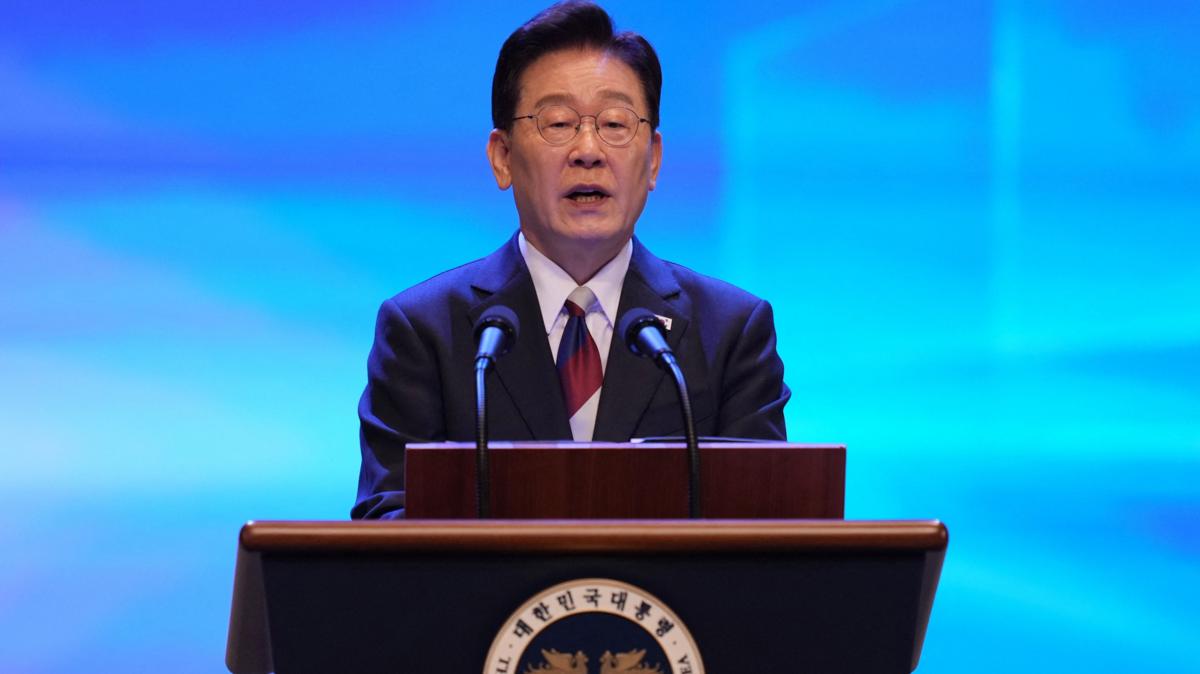
- Lee Jae-myung unveiled the END Initiative (Exchange, Normalization, Denuclearization) at the UN General Assembly on September 23, 2025, positioning denuclearization as a destination rather than a precondition for engagement.
- Kim Jong Un formalized a 'two hostile states' doctrine and, two days before Chung's remarks, called South Korea the North's 'most hostile state,' vowing to thoroughly repudiate and ignore it.
- South Korea's constitution (Article 3) defines the entire peninsula as South Korean territory, meaning formal recognition of North Korea as a sovereign state would require a constitutional amendment — a threshold no South Korean president has openly approached.
- The United States has never formally recognized North Korea as a nuclear power and has kept denuclearization as a core objective across successive administrations, creating a de facto restraint on Seoul's policy options through the alliance.
- China and Russia have already accommodated a nuclear North Korea into their strategic calculus and would welcome the reduced U.S. security footprint that a formalized two-state settlement would likely produce.
Why it matters: The Lee administration's two-state framing is a doctrinal break from Seoul's unification-by-absorption stance, but it runs into Article 3 of the constitution — which treats the entire peninsula as South Korean territory — and a U.S. alliance that defines success as denuclearization, not coexistence. Without a constitutional amendment and Washington buy-in, the rhetoric outruns the policy architecture, and Pyongyang's reciprocal hostility makes the gap between words and formal change even wider.
Ask SkimNews