Brain Protein Menin Reverses Aging Signs in Mice — SkimNews

Get the Health newsletter
Daily health & science — research, biotech, public health, the studies worth knowing. Free.
- Lige Leng and colleagues at Xiamen University published a March 2023 PLOS Biology study showing Menin levels fall with age in neurons of the ventromedial hypothalamus, while other brain cells (astrocytes and microglia) showed no comparable decline.
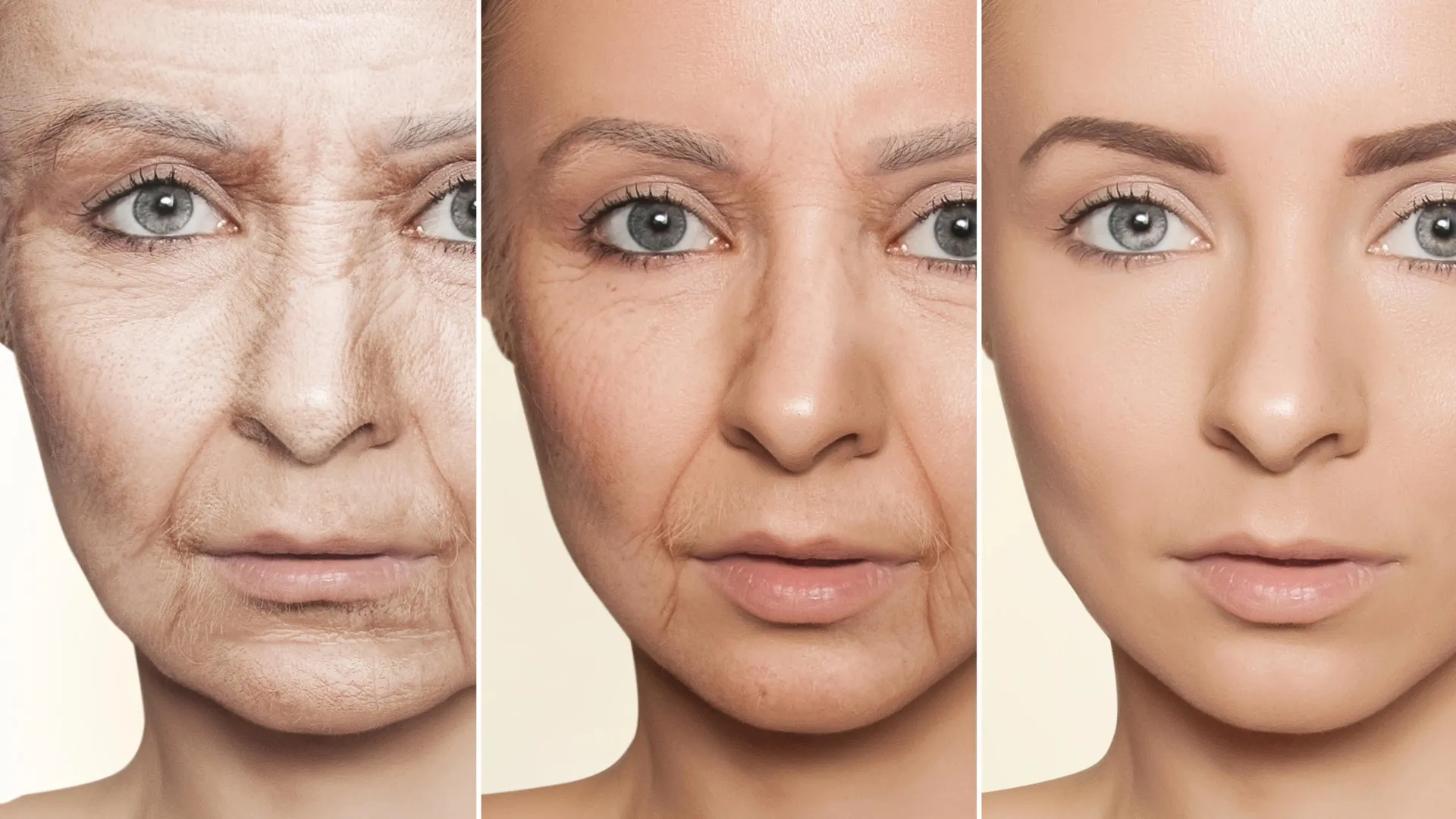
- Genetically removing Menin in younger mice increased hypothalamic inflammation and produced aging-related traits including lower bone mass, thinner skin, cognitive decline, and a modestly shorter lifespan.
- Restoring Menin in 20-month-old mice improved skin thickness, bone mass, and performance on learning, cognition, and balance tests within 30 days, while also raising D-serine levels in the hippocampus.
- D-serine supplementation alone improved cognitive performance in mice but did not reproduce the broader physical aging improvements seen with Menin restoration.
- Food sources of serine such as soybeans, eggs, fish, and nuts provide L-serine, not D-serine, and the two forms are not interchangeable, meaning dietary intake is not equivalent to the experimental treatment.
- Later research complicates the picture: an April 2025 study in Alzheimer's-model mice found early D-serine rises accompanied brain signaling disruptions, and genetically removing the D-serine-producing enzyme reduced later cognitive problems.
Why it matters: Researchers now have a defined molecular pathway — Menin in the ventromedial hypothalamus — linking brain inflammation to whole-body aging in mice, opening a concrete target for further study. But subsequent findings show D-serine's effects vary by disease context, and the L-serine in everyday foods is not the same molecule tested experimentally, so consumer takeaways are minimal. Human applications remain distant.
Ask SkimNews