Philippines BARMM Holds First Parliamentary Election — SkimNews
Get the Geopolitics newsletter
Daily geopolitics — wars, elections, sanctions, the diplomatic moves that move markets. Free.
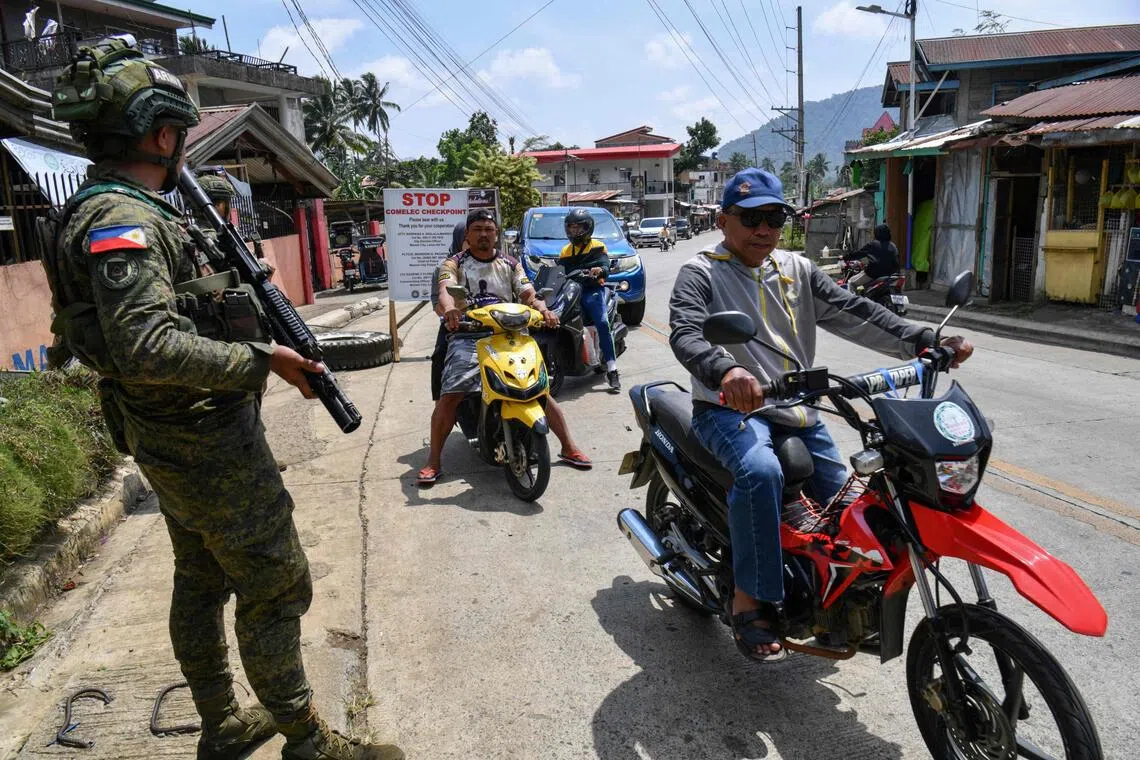
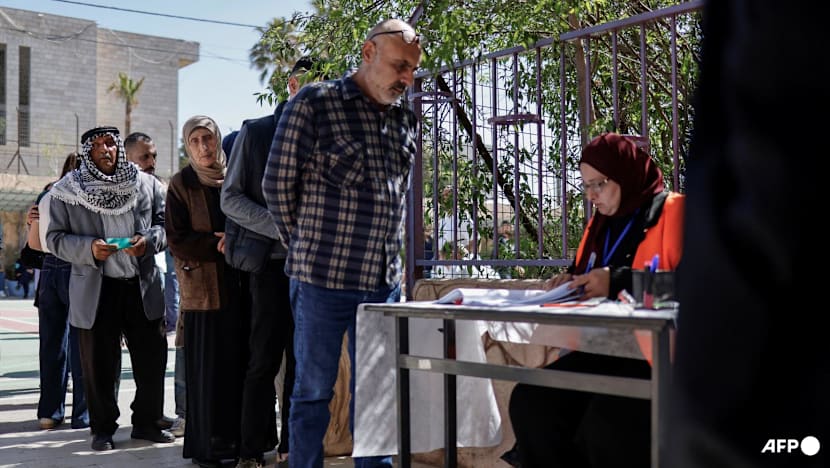
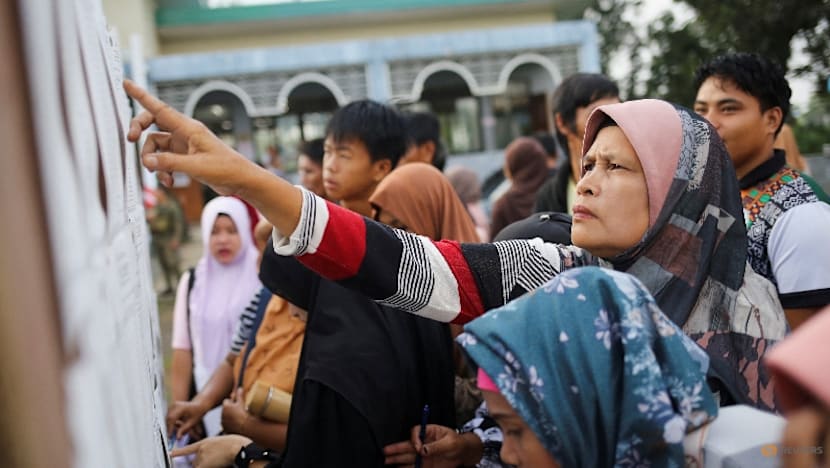
- Nearly 2.4 million registered voters are casting ballots in BARMM's first parliamentary election, completing the transition from an appointed interim government to elected self-government.
- BARMM was created after voters ratified greater self-rule in a 2019 plebiscite, replacing an earlier autonomy arrangement and covering about 4.5 million people across parts of Mindanao, Basilan, Tawi-Tawi, Cotabato City, and the Special Geographic Area in North Cotabato.
- The 2014 peace agreement between the Philippine government and the Moro Islamic Liberation Front ended a conflict that killed more than 120,000 people and displaced about 2 million, with its provisions formalized in a 2018 law.
- BARMM's economy grew 5% in 2025, up from 3.5% in 2024 and faster than the national growth rate of 4.4%, according to regional and national accounts.
- Voters are choosing an 80-member parliament—40 party representatives via proportional representation, 32 district representatives, and 8 sectoral representatives—which will then elect the region's chief minister.
- Competitors include parties led by former MILF rebels, rival factions that emerged after the peace deal, and traditional political clans.
Why it matters: The election replaces BARMM's appointed interim government with its first popularly elected parliament, ending a transition phase where largely MILF-aligned figures set the agenda without a mandate. With seats split among former rebels, rival factions, and political clans, the outcome will determine whether the region's 5% growth and declining poverty are sustained.
Ask SkimNews