Ukraine Drones Hit Ryazan Refinery, Wildberries Again — SkimNews

Get the Geopolitics newsletter
Daily geopolitics — wars, elections, sanctions, the diplomatic moves that move markets. Free.
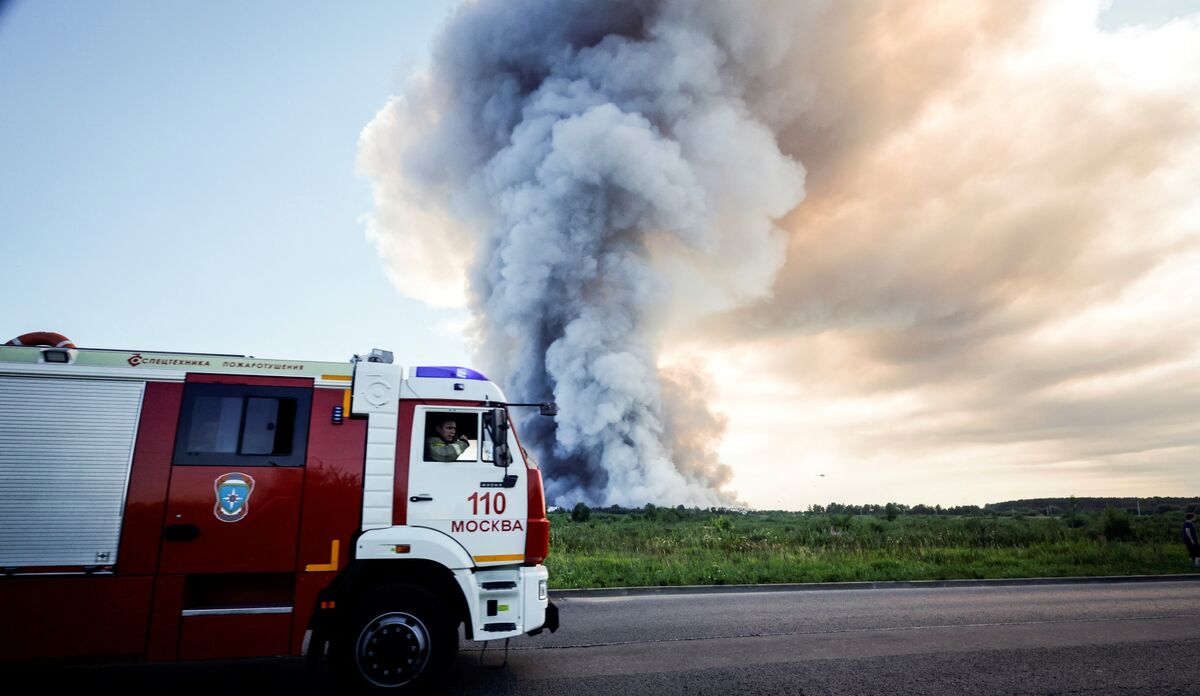
- Ukraine's military confirmed a direct hit on the Rosneft-owned Ryazan oil refinery on July 29, triggering a fire at the facility, which accounts for nearly 5 percent of Russia's total refining capacity and had previously suspended operations after a Ukrainian strike on May 15.
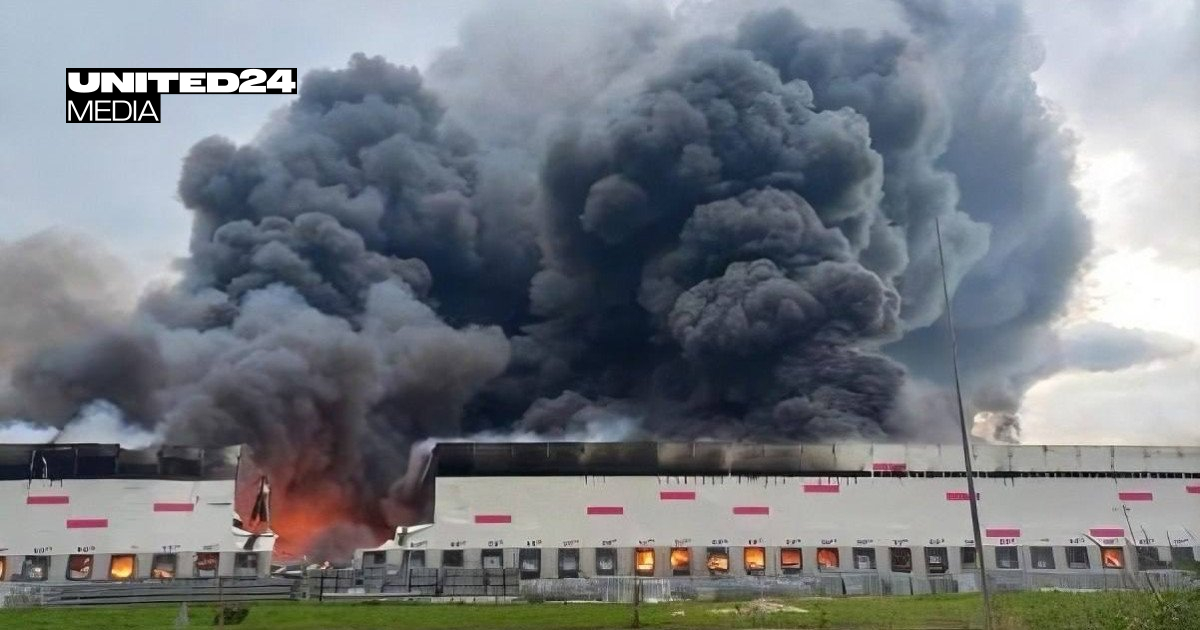
- Wildberries's logistics center in the Ryazan region was struck in what is reported to be at least the 10th attack on the retailer since July 18, when strikes first hit sites in Elektrostal and Kotovsk; media reports estimate the campaign may have disrupted roughly 10 percent of the company's total warehouse capacity.
- Zelenskyy confirmed additional July 29 overnight strikes on an oil refinery in the Perm region and an export terminal and military enterprise in the Rostov region, saying 'Russia must feel that every day of this war will only come at a higher cost for it.'
- Ryazan regional Governor Pavel Malkov reported that 45 drones were shot down over the region overnight, with six people hospitalized but none suffering life-threatening injuries from falling drone debris at industrial sites.
- Wildberries has begun searching for warehouse space in Kazakhstan and is prepared to lease all available vacant capacity there following the attacks, according to the Russian newspaper Kommersant; the company processes some 20 million orders daily and is co-founded by Tatyana Kim, Russia's wealthiest woman with an estimated net worth of $7 billion.
- Zelenskyy met with US President Donald Trump and separately with the full US Senate in Washington the day before the strikes; he called it a 'good meeting' while Trump said 'Many things were discussed. The meeting went very well,' with few details emerging.
Why it matters: The Ryazan strike targets a refinery responsible for 5 percent of Russian capacity, while the tenth Wildberries attack and the retailer's pivot to hunt for Kazakhstan warehouse space demonstrate that Ukraine is methodically degrading both Russian energy output and civilian logistics infrastructure — forcing Russia's largest e-commerce operator to relocate operations abroad just weeks into the campaign.
Ask SkimNews