Oil Surges Past $100 on Iran War, Economists Warn — SkimNews
Get the Energy newsletter
Daily energy & climate — solar, EVs, oil, the policy fights and tech bets shaping the transition. Free.
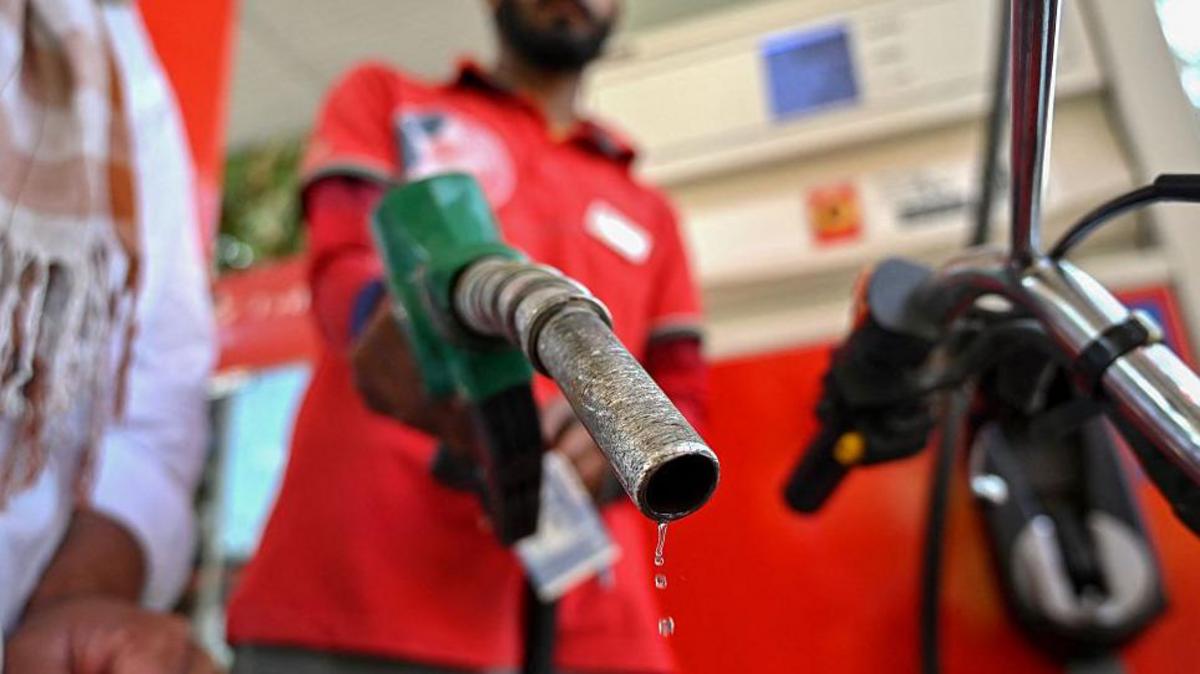
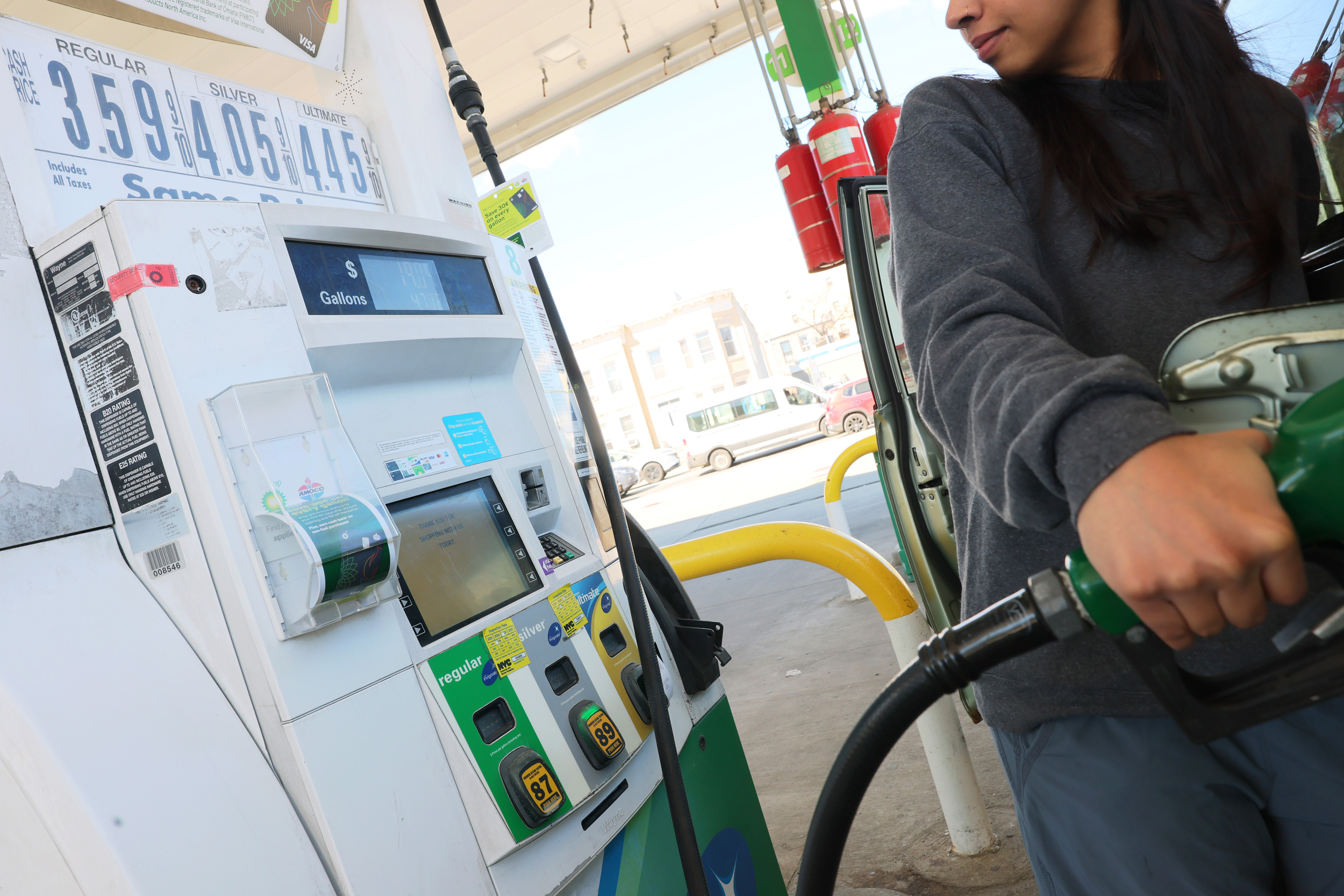
- Oil prices for Brent crude exceeded $100 a barrel by Friday, with U.S. gas averaging $3.91 nationwide (AAA), driven by the effective closure of the Strait of Hormuz off Iran.
- Heather Boushey, a University of Pennsylvania energy policy professor, warned oil shocks have an outsized economic impact that hits low-income Americans hardest, rippling from nitrogen fertilizer and corn prices to shipping costs.
- Alex Jacquez of Groundwork Collaborative noted EV dealer visits are already rising in Asia, where Iran war price shocks are more pronounced, signaling a potential demand shift.
- Sen. Sheldon Whitehouse (D-R.I.) accused the Trump administration of running a 'massive and concerted campaign' of fossil fuel misinformation to deter clean energy adoption and protect donor bottom lines.
- The White House defended Trump's 'energy dominance agenda' in a statement, claiming without evidence that green energy sources are 'too unreliable and unaffordable.'
- Trump's One Big Beautiful Bill Act includes a 2.5 percent tax credit for metallurgical coal production that an Inside Climate News analysis estimated could deliver $200 million to $300 million annually to the met coal industry.
- Jacquez warned that Chinese EV maker BYD is 'eating our lunch' as U.S. policy barriers—including the end of EV tax credits and fossil fuel subsidies—leave American manufacturers without a foundation to compete.
Why it matters: Low-income Americans face the steepest cost increases from the Iran-driven oil surge, with gas already at $3.91, while Trump administration policies—a $200-300 million met coal tax credit and the end of EV tax credits—suppress the renewable adoption experts say would shield consumers. The result: higher fuel costs with no policy-supported escape hatch.
Ask SkimNews