Iran Vows 'Zero Restraint' as Gulf Energy Strikes Escalate — SkimNews
Get the Geopolitics newsletter
Daily geopolitics — wars, elections, sanctions, the diplomatic moves that move markets. Free.
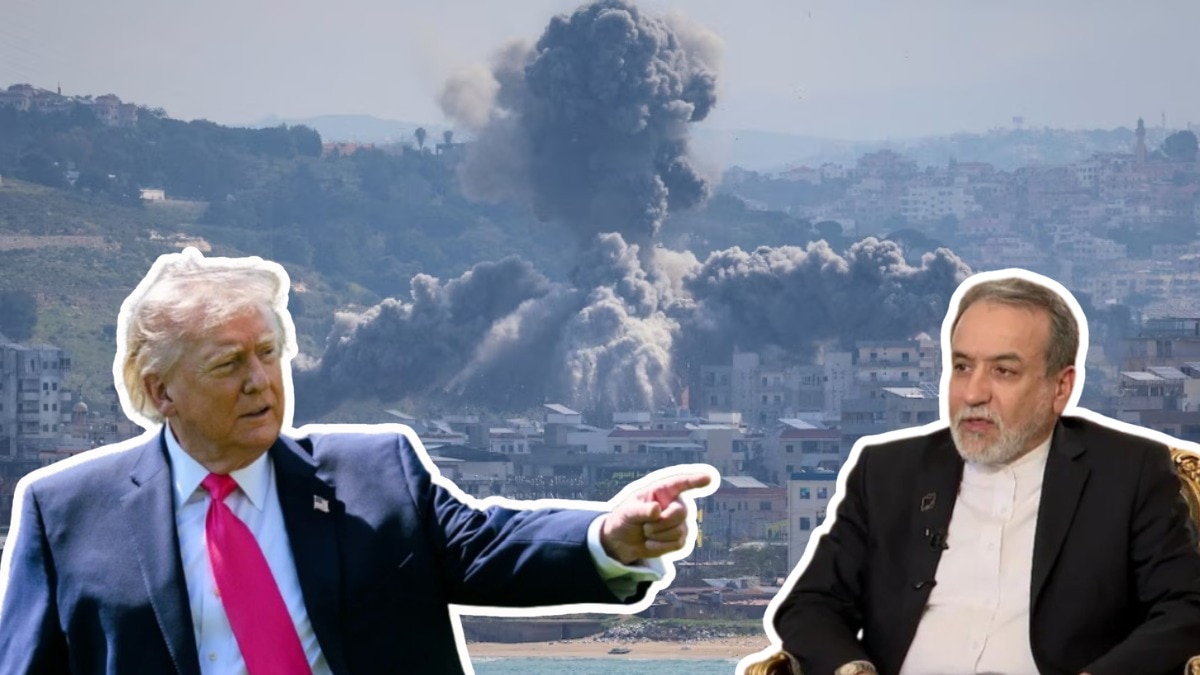
- Abbas Araghchi warned of 'zero restraint' if energy infrastructure is targeted again, stating Iran used only a 'fraction' of its power in its initial retaliation and that the sole reason for restraint was respect for requested de-escalation.
- Israel struck Iran's massive South Pars gasfield on Wednesday, prompting Iranian retaliatory strikes on Qatar's Ras Laffan gas complex (which supplies ~20% of world LNG), Saudi Arabia's Red Sea refinery, and two Kuwaiti oil refineries.
- QatarEnergy CEO Saad Sherida al-Kaabi reported ~$20bn in damage to its facilities, sidelining 12.8 million tons per year of gas for three to five years.
- Brent crude surged as much as 10% to $119/barrel before settling at $110 (a 3.3% one-day gain), and has soared 60% since the war began on February 28; European and UK gas prices jumped as much as 24%, more than doubling since before the war.
- Donald Trump asked Congress for an additional $200bn to fund the war, claimed he told Netanyahu not to attack Iranian gasfields, but appeared unable to explain how Israel acted unilaterally; Israeli officials directly contradicted him, saying Israel 'acted alone.'
- Global stock markets sold off heavily — the FTSE 100 closed down 2.35% at 10,063 points, with steep falls across Japan, South Korea, Hong Kong, Germany, and France.
- Six countries — the UK, France, Germany, Italy, Netherlands, and Japan — issued a joint statement expressing 'deep concern' and calling on Iran to cease threats and attacks on the Strait of Hormuz, offering to help secure safe passage for commercial shipping.
Why it matters: Qatar's Ras Laffan complex, supplying 20% of global LNG, will be sidelined 3-5 years with $20bn in damage, while oil prices have surged 60% since the war began February 28. Trump's denial that he knew about the South Pars strike collapsed when Israeli officials said Israel 'acted alone' — exposing a wartime alliance where Washington can't control its partner's escalations.
Ask SkimNews