How Modric and Croatia continue to defy the odds — SkimNews
Get the Sports newsletter
Daily sports — scores, transfers, the storylines from the leagues you actually follow. Free.
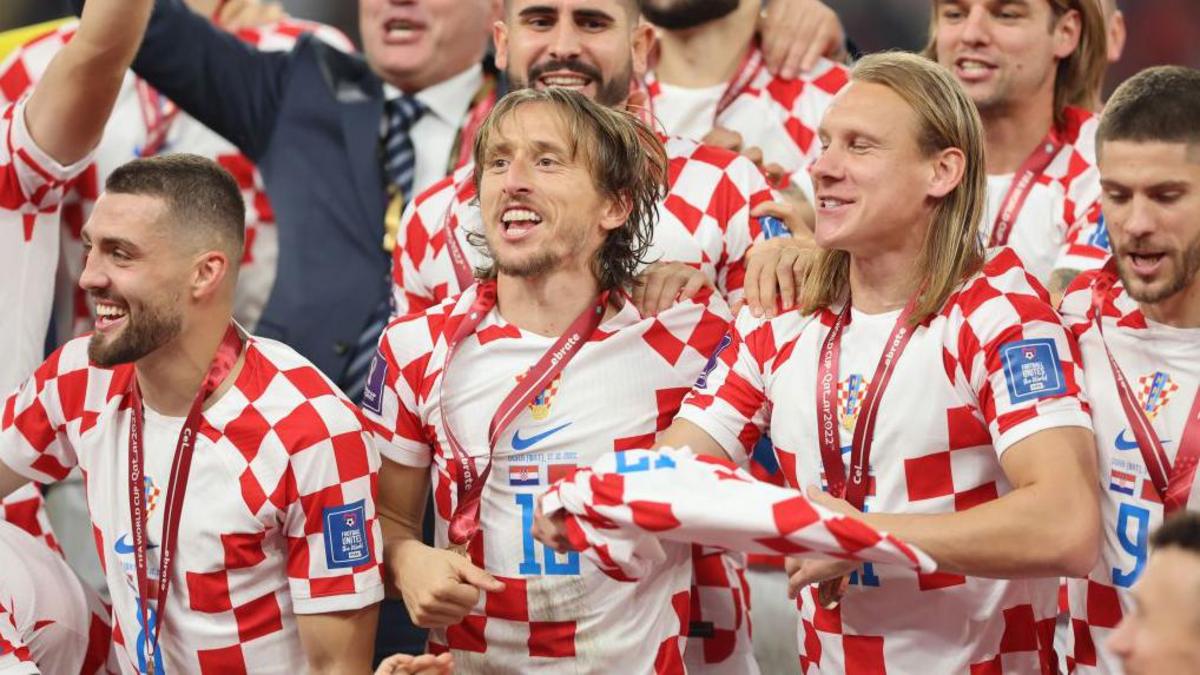
- Luka Modric, aged 40, will captain Croatia into their 2026 World Cup opener against England on Wednesday, a career spanning six Champions League titles with Real Madrid, a Ballon d'Or, and approaching 200 international caps.
- Romeo Jozak, Modric's youth coach at Dinamo Zagreb, built an internal-competition model so intense that "you cannot afford to lose any ball" — nearly half of Croatia's current World Cup squad passed through the club under his watch.
- Dinamo Zagreb's academy signed 16-year-old Dani Olmo from Barcelona's La Masia in 2014 and developed Mateo Kovacic and Josko Gvardiol, while 18 of Croatia's 2026 World Cup squad now play for top-flight clubs in England, Spain, Italy, and Germany.
- Croatia was admitted by FIFA in 1992 and UEFA in 1993 after declaring independence, then waited 20 years to escape the World Cup group stage before finishing as 2018 runners-up and 2022 third-place under Zlatko Dalic.
- Head coach Zlatko Dalic, appointed in 2017, has steered Croatia to second and third at his two World Cups in charge — a Jozak-described "very intelligent emotional and mental coach" who manages a "very emotional and very social" locker room.
- Modric's childhood was shaped by the Croatian War of Independence — his grandfather was killed, his family home burned, and he grew up as a refugee playing football in Zadar hotels, an experience Jozak says players still carry "inside of you" and "take out of your genes."
Why it matters: Modric's longevity at 40 is the headline, but the deeper story is a developmental pipeline that has turned a nation of fewer than four million into back-to-back World Cup podium finishers — with nearly half the 2026 squad shaped by Dinamo Zagreb's academy and 18 players already established across Europe's top leagues, the system outlasts any single star.
Ask SkimNews