Possums in the roof, koalas in bed: study shows how animals resort to Australian homes after habitat loss — SkimNews
Get the Energy newsletter
Daily energy & climate — solar, EVs, oil, the policy fights and tech bets shaping the transition. Free.
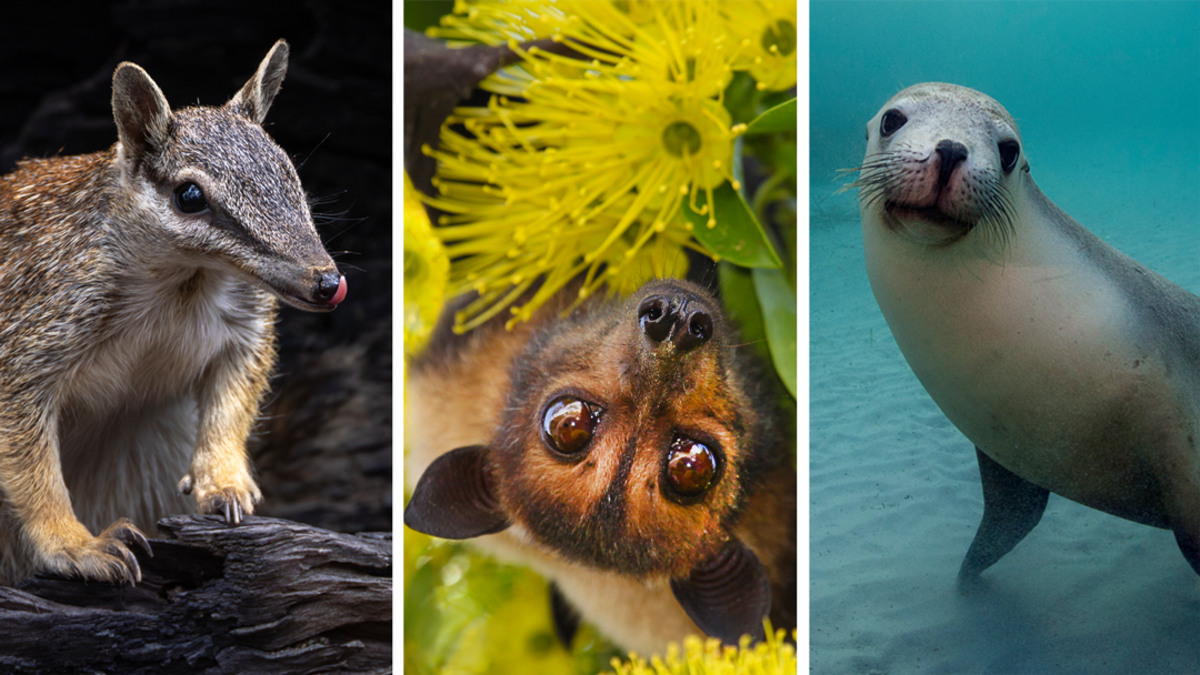
- A study in People and Nature analyzed a decade of Wildlife Victoria rescue data covering 2,400 cases of animals using buildings as habitat, with brushtail and ringtail possums, microbats, and bare-nosed wombats making up the majority of incidents.
- Lead author Bethany Kiss, a University of Melbourne architect, said animals are seeking buildings as substitute habitats because natural hollows are disappearing, and about 10% of cases involved animals inside rooms like bedrooms and kitchens — not just roof spaces and walls.
- Wildlife Victoria recounted recent unusual cases, including seven juvenile sugar gliders found inside a kitchen (two curled up in a jar beneath a sink) and an echidna that wandered into a pantry and began pulling items off shelves, including a food processor.
- NSW's Wires rescue service reported a koala that scampered down a woman's hallway during cold weather last year and ended up sitting calmly on her bed by the time a volunteer arrived.
- Microbat specialist Ericka Tudhope said bats roosting in roofs are common and largely beneficial, noting they keep bug numbers down and rarely chew cables or damage houses — 'great housemates' if left alone.
- Kiss contrasted Australia's accidental wildlife-in-buildings phenomenon with the UK's intentional approach, pointing to required 'swift nesting bricks' in new builds, and called for embedding ecologists in Australia's building design process from the start.
- Co-author Prof Sarah Bekessy of the Biodiversity Council said everyday interactions with neighborhood wildlife improve mental wellbeing and make cities healthier, more resilient places to live.
Why it matters: With 2,400 documented cases over a decade showing possums, microbats, wombats and koalas sheltering in Australian buildings, lead researcher Bethany Kiss is pushing the building industry to embed ecologists in design the way engineers are — bringing UK-style 'swift nesting bricks' and wildlife-friendly features into Australian construction policy.
Ask SkimNews