Anti-war coalition pushes Congress to de-escalate US-China ties — SkimNews

Get the Geopolitics newsletter
Daily geopolitics — wars, elections, sanctions, the diplomatic moves that move markets. Free.
- Anti-war coalition sent a letter to Congress on Thursday signed by Just Foreign Policy, Win Without War, the Friends Committee on National Legislation, Our Revolution and dozens of other groups, urging lawmakers to press the administration to "prioritize peace, cooperation, and stability" with China.
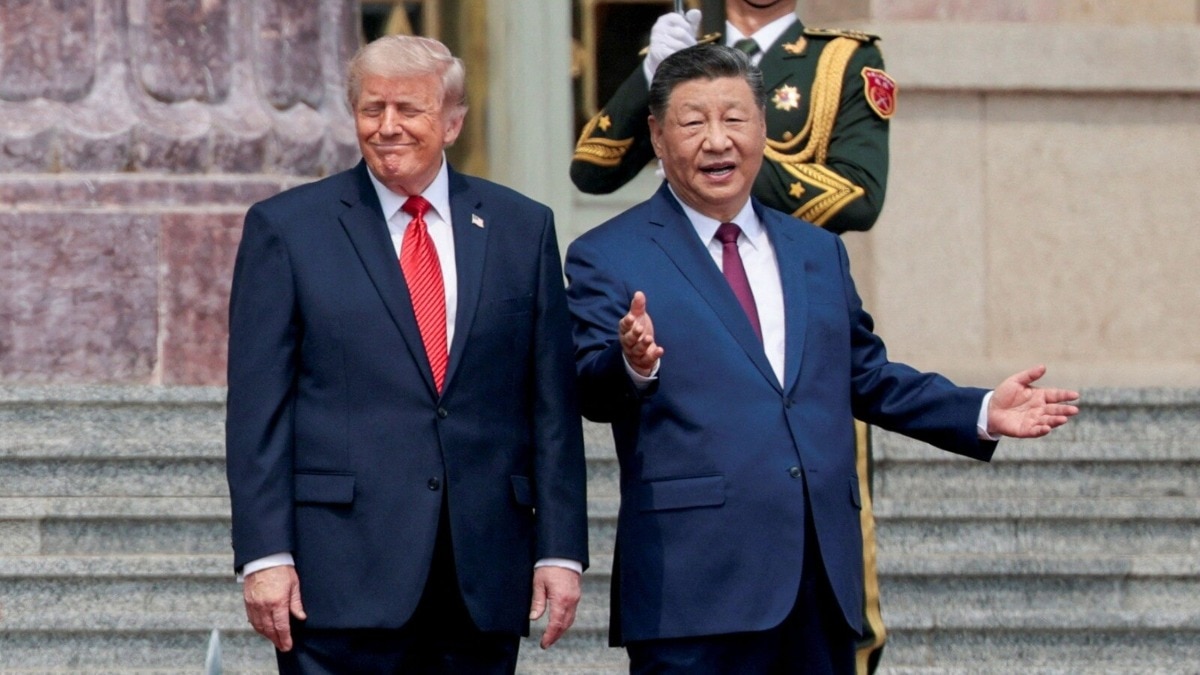
- Xi Jinping told Trump that Taiwan is "the most important issue in China-US relations," warning that mishandling it could create "a very dangerous situation," while Secretary of State Marco Rubio said the One China Policy hasn't changed but cautioned it would be "a terrible mistake" for China to attempt to seize the island by force.
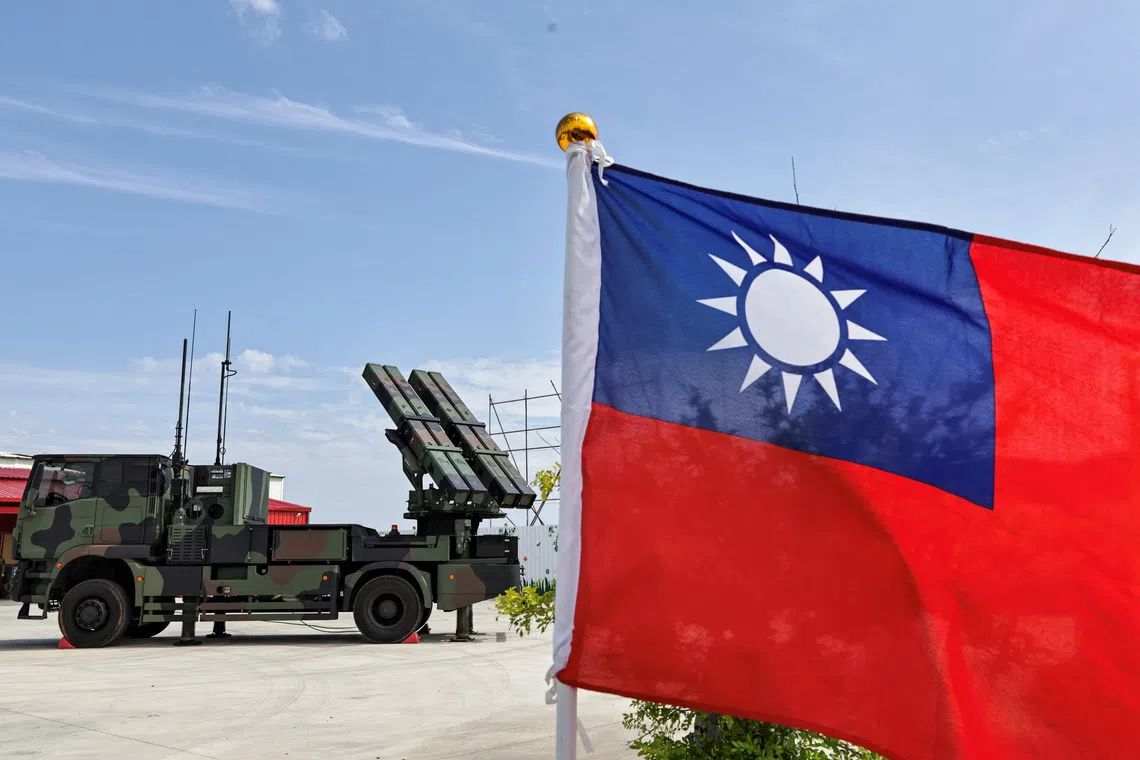
- House Foreign Affairs Democrats — including ranking member Gregory Meeks, Ro Khanna, Jim Himes, and Adam Smith — sent a letter urging Trump to approve a delayed $14 billion arms sale to Taiwan before the meeting, while the anti-war coalition's Just Foreign Policy called the timing "deeply unserious" and a move that would "sabotage diplomacy."
- Trump announced an $11 billion-plus weapons sale to Taiwan in December — the largest ever to the island — prompting China to say it "gravely violates" the One China Policy, against a backdrop of declining American hostility: a January Pew poll showed only 28% of Americans now view China as an "enemy," down from 42% in 2024.
- American public opinion on Taiwan remains cool to military involvement, with a November Institute for Global Affairs survey finding just 35% would support sending troops to defend Taiwan against Chinese attack, and a January poll showing only 10% of Democratic voters wanting their party to support sending troops, per The New Republic.
- Quincy Institute's Jake Werner argued Democrats should challenge Trump "on the basis of prudent, conflict-avoiding principles," criticizing him "not for engaging in diplomacy, but for engaging in the wrong kind of diplomacy," while the anti-war coalition flagged a US Tomahawk missile test launch in the Philippines — capable of reaching the Chinese mainland — as an escalatory provocation.
Why it matters: The clash inside the China debate is now fully public: a broad anti-war coalition backed by public polling argues diplomatic de-escalation serves American interests, while House Foreign Affairs Democrats are pushing Trump to approve a $14 billion Taiwan arms sale as a credibility test — a tension that could determine whether Trump's first China visit in nearly a decade produces cooperation or escalates the very confrontation both sides claim to oppose.
Ask SkimNews