Fecal transplants from young mice rewire old brains — SkimNews

Get the Health newsletter
Daily health & science — research, biotech, public health, the studies worth knowing. Free.
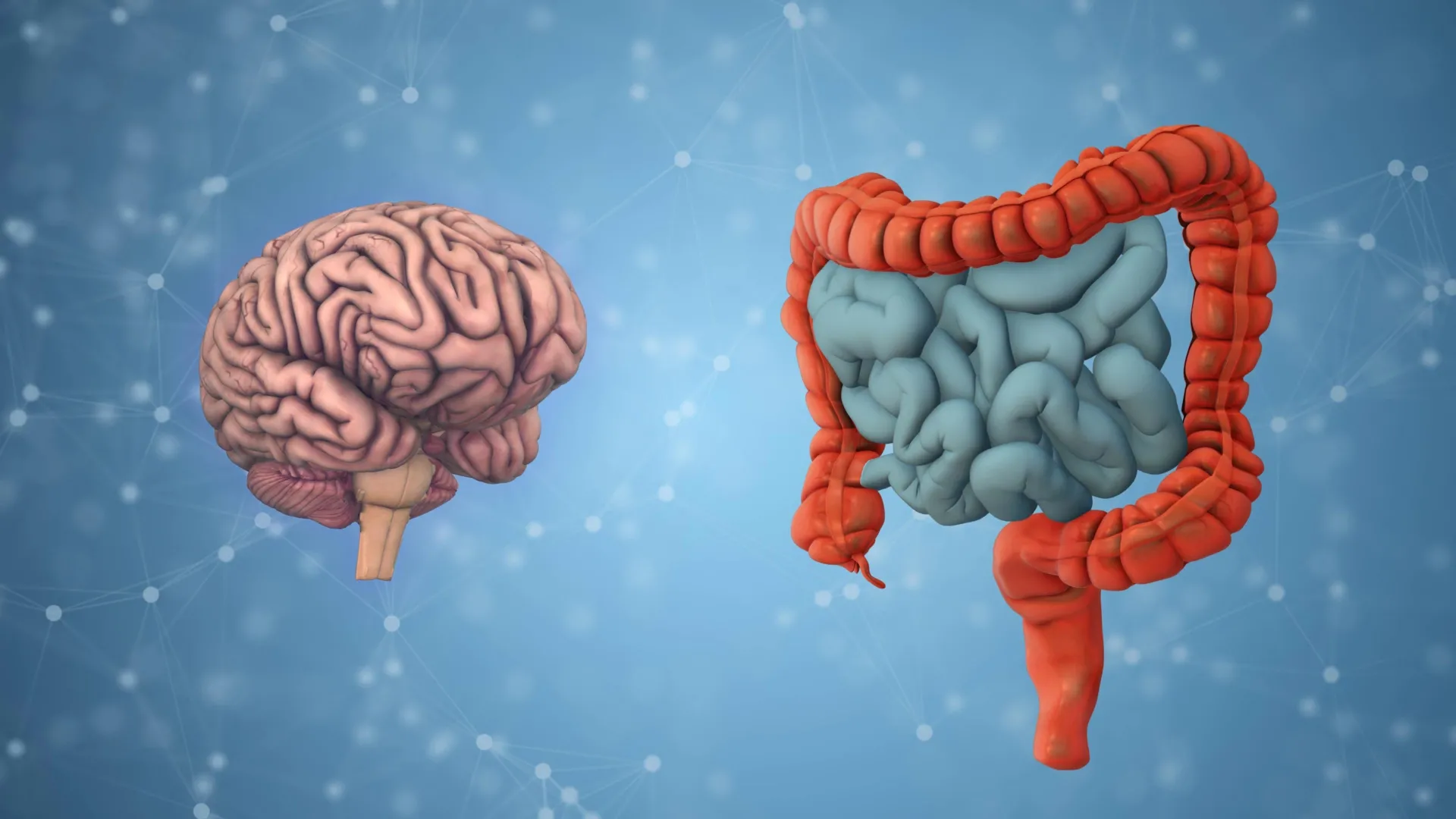
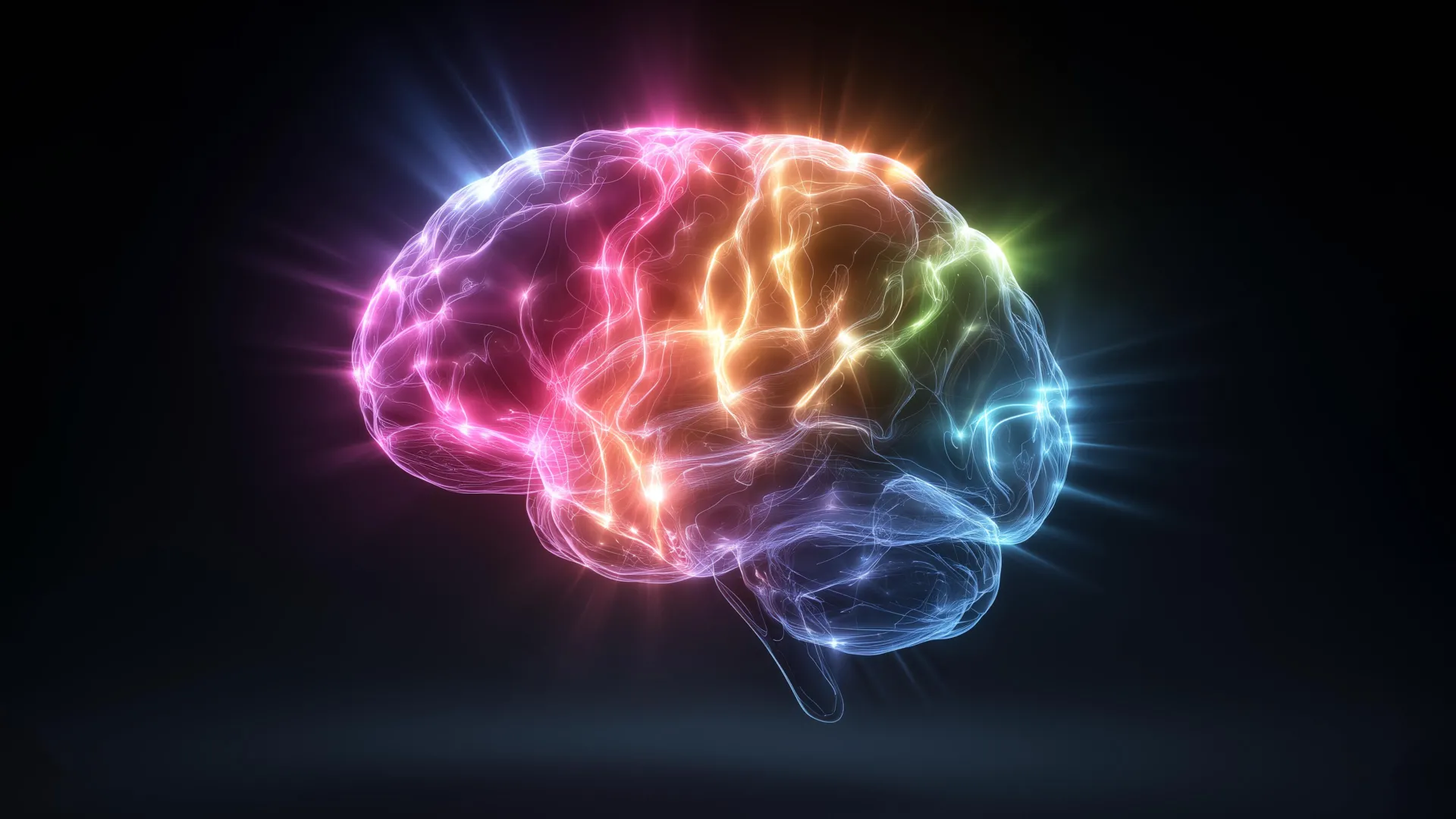
- Paola Tognini and colleagues at the Sant'Anna School of Advanced Studies in Pisa found that transplanting faecal microbiota from ~30-day-old mice into 4-month-old adults restored neuroplasticity, letting the older mice rewire their visual cortex after one eye was sealed for three days — a response normally limited to young animals.
- In a complementary experiment, 21-day-old mice given high-dose broad-spectrum antibiotics for 10 days lost neuroplasticity entirely while controls retained it; RNA sequencing showed over 1,000 differentially expressed genes tied to myelination and blood-brain barrier permeability.
- Antibiotic-treated mice showed depleted Lachnospiraceae, a bacterial family that produces short-chain fatty acids with neuroprotective properties, suggesting a mechanistic link between gut composition and brain rewiring capacity.
- Parisa Gazerani of Oslo Metropolitan University, who wasn't involved, called the microbiome an "active developmental partner" alongside sensory experience, immune activity and genetic programming — but said direct extrapolation to people is premature given brain complexity and diet-driven microbiome differences.
- Harriët Schellekens at University College Cork called the implications "huge" for targeting the microbiome to boost learning, injury recovery or resilience in ageing — while stressing the field must move past "crude microbiota transplants" to identify specific microbial metabolites or strains.
- Gazerani separately flagged long-term risks of early-life antibiotic exposure during critical developmental windows, urging judicious prescribing even as antibiotics remain lifesaving.
Why it matters: The work reframes the gut microbiome as a gatekeeper of the brain's plasticity windows — not just a background influence — opening a future path to microbial therapies for adult visual, learning or neurological conditions. Researchers stress the next bottleneck is mechanistic: pinpointing which strains or metabolites drive the effect, since crude transplants are unlikely to translate cleanly to humans whose microbiomes are shaped by diet and lifestyle.
Ask SkimNews