UC Irvine finds fatty acid restores vision in mice — SkimNews
SkimNews Take
Restoring ELOVL2-regulated fatty acid levels in aged retinal cells effectively reverses vision loss, indicating a specific metabolic pathway's decline rather than broad cellular damage underpins age-related degeneration.
Get the Health newsletter
Daily health & science — research, biotech, public health, the studies worth knowing. Free.
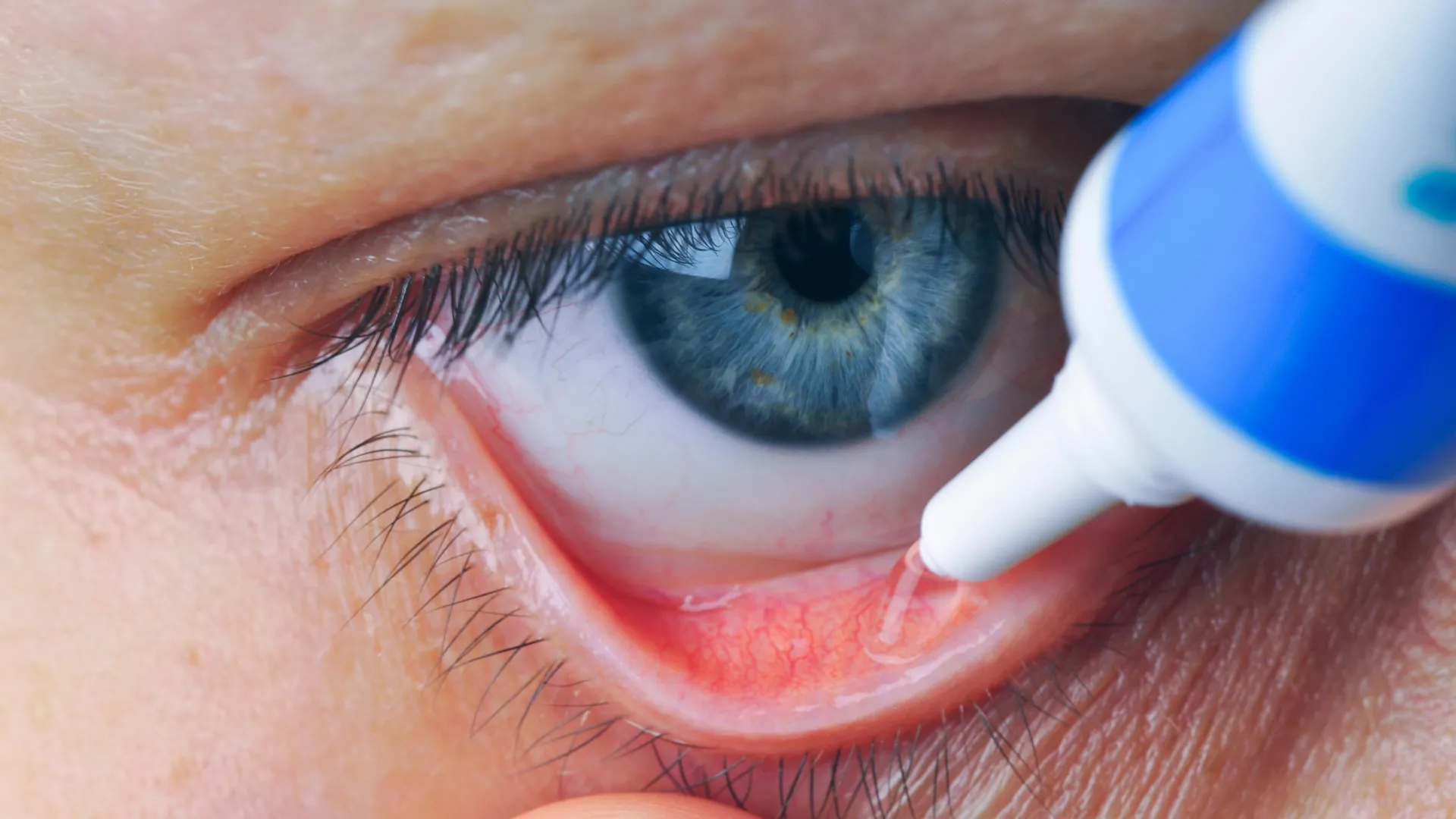
- UC Irvine researchers injected older mice with a specific polyunsaturated fatty acid and observed improved visual performance, reversing age‑related decline.
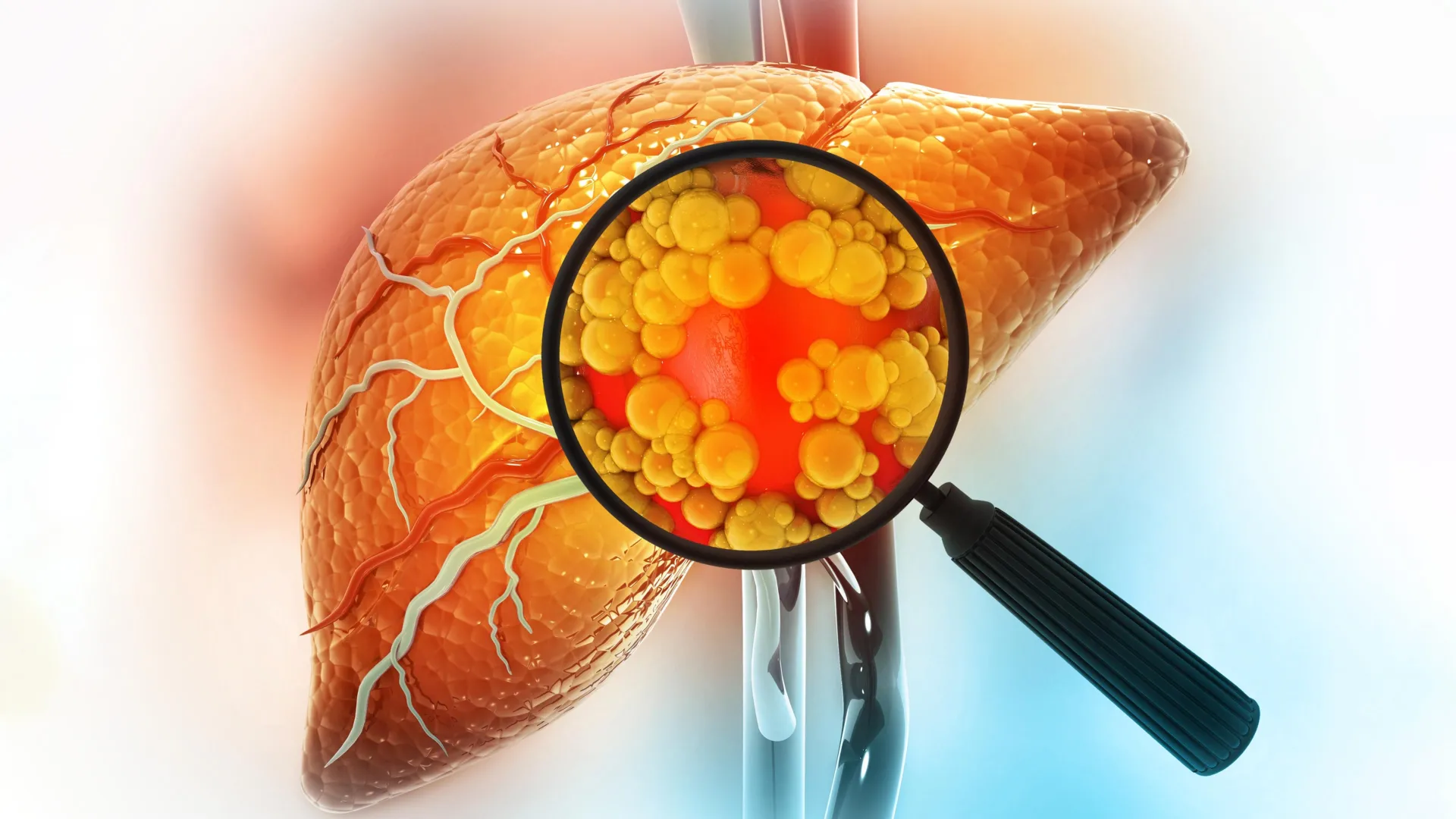
- ELOVL2 gene activity is tied to retinal levels of very‑long‑chain polyunsaturated fatty acids and DHA; reduced activity leads to vision loss and higher AMD risk.
- DHA supplementation alone did not restore vision in the mice, highlighting the importance of other polyunsaturated fatty acids.
- Genetic variants in ELOVL2 are associated with faster progression of age‑related macular degeneration, providing a genetic link to disease risk.
- UC San Diego collaboration extends the findings to immune aging, showing that ELOVL2 deficiency accelerates immune cell aging and suggesting broader therapeutic potential.
- Science Translational Medicine published the study titled "Retinal polyunsaturated fatty acid supplementation reverses aging-related vision decline in mice" in 2025, providing peer‑reviewed validation.
Why it matters: The study shows that a non‑DHA polyunsaturated fatty acid can restore vision in aged mice, suggesting a therapeutic target for older adults with age‑related macular degeneration and possibly for immune‑aging interventions. It also links genetic variants of the ELOVL2 enzyme to faster AMD progression, providing a biomarker for risk stratification.
Ask SkimNews