Erucamide activates retinal immune defense in vision loss study — SkimNews

Get the Health newsletter
Daily health & science — research, biotech, public health, the studies worth knowing. Free.
- Scripps Research team identified erucamide, a fatty acid amide whose levels decline sharply as photoreceptors begin dying in retinal degenerative diseases including retinitis pigmentosa and age-related macular degeneration.
- Published June 19, 2026 in Nature Neuroscience, the study was led by senior author Martin Friedlander with collaborators at UC San Diego and the Lowy Medical Research Institute.
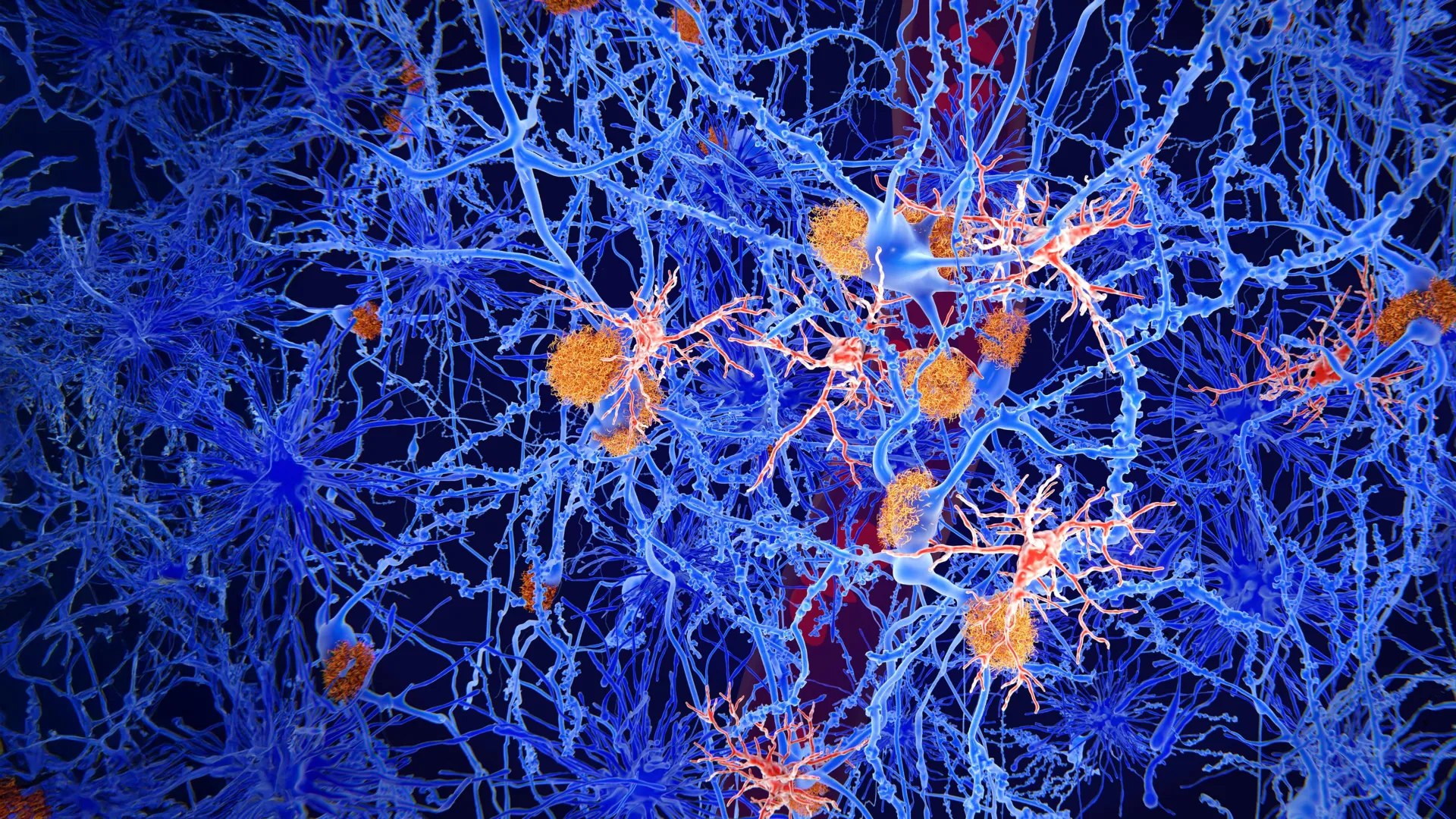
- Restoring erucamide via porous silicon nanoparticles activated CD11b+ myeloid immune cells — rather than acting on photoreceptors directly — releasing signals linked to neurovascular stabilization.
- The team identified TMEM19 as the protein erucamide binds to; reducing TMEM19 levels abolished the protective myeloid-cell activation.
- Erucamide slowed but did not reverse retinal degeneration in preclinical models, preserving structure and function of tissue that remained.
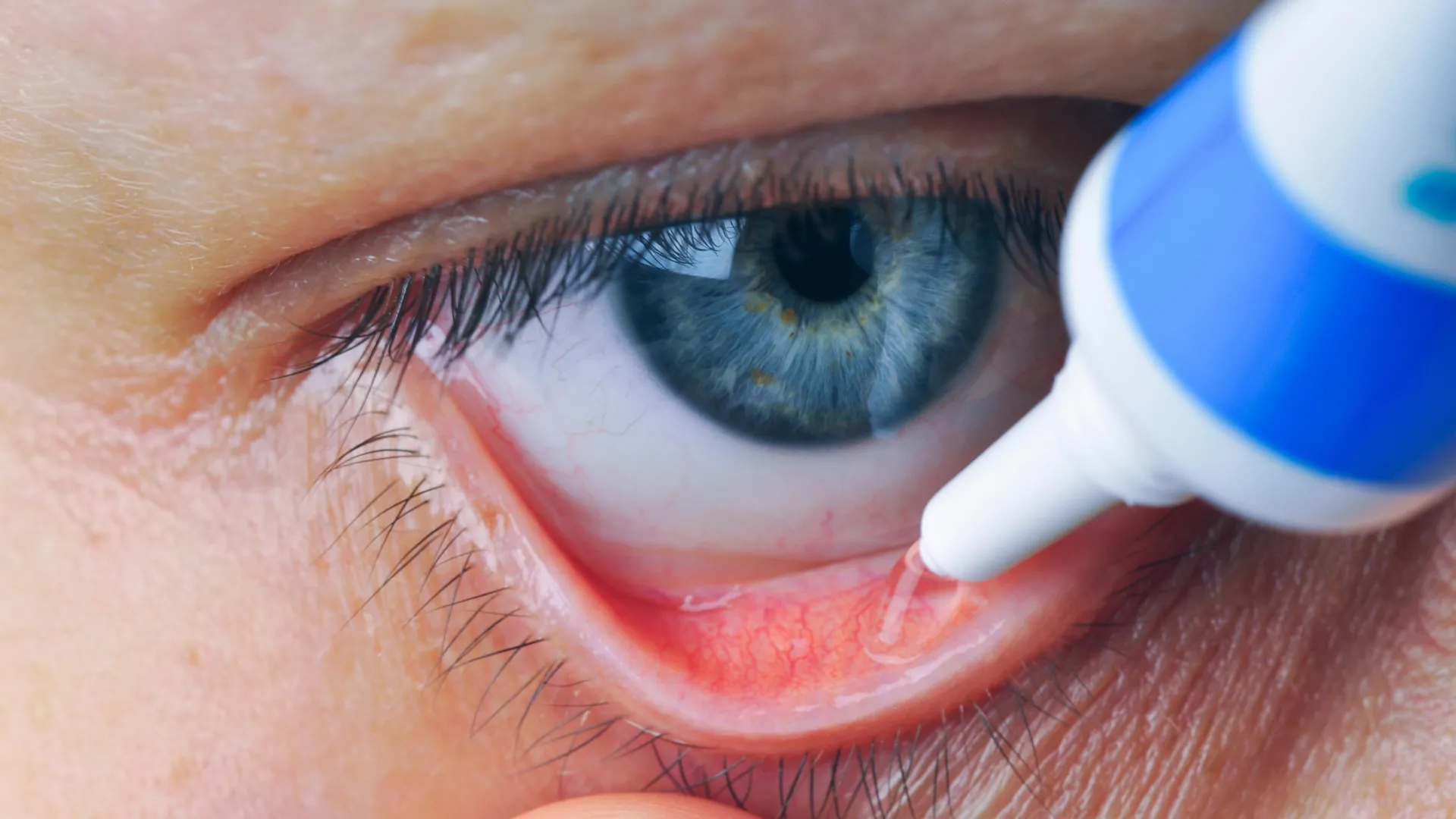
- A key translational hurdle: erucamide is hydrophobic and clumps in water-based eye medications, so the team plans to test modified forms and related lipid molecules.
Why it matters: This reframes retinal disease treatment — instead of targeting dying photoreceptors, future therapies could reinforce the retina's own immune-coordinated defense via the TMEM19 pathway. With retinitis pigmentosa, age-related macular degeneration, and diabetic retinopathy currently having limited treatment options, the clear molecular target opens a real drug-development path, though formulation challenges mean modified versions, not erucamide itself, will likely reach clinical testing first.
Ask SkimNews