Waymo goes driverless in Las Vegas, with Denver, San Diego, Tampa next
Get the Tech newsletter
Daily tech — startups, AI labs, chips, the launches that shape the next decade. Free.
- Waymo activated fully driverless operations in Las Vegas with no human at the wheel and announced Denver, San Diego, and Tampa will follow, converting months-long safety-operator test programs into commercial service.
- The Waymo fleet now numbers roughly 3,500 robotaxis that have completed more than 20 million trips, currently delivering about 500,000 paid rides per week across 10 existing US markets.
- Waymo raised $16 billion at a $126 billion valuation earlier this year — the largest investment ever in an autonomous vehicle company — earmarked specifically to fund this city-by-city expansion.
- Tampa was not on Waymo's previously disclosed 2026 expansion list, giving the company a second Florida market alongside Orlando and further concentrating growth in the Sun Belt.
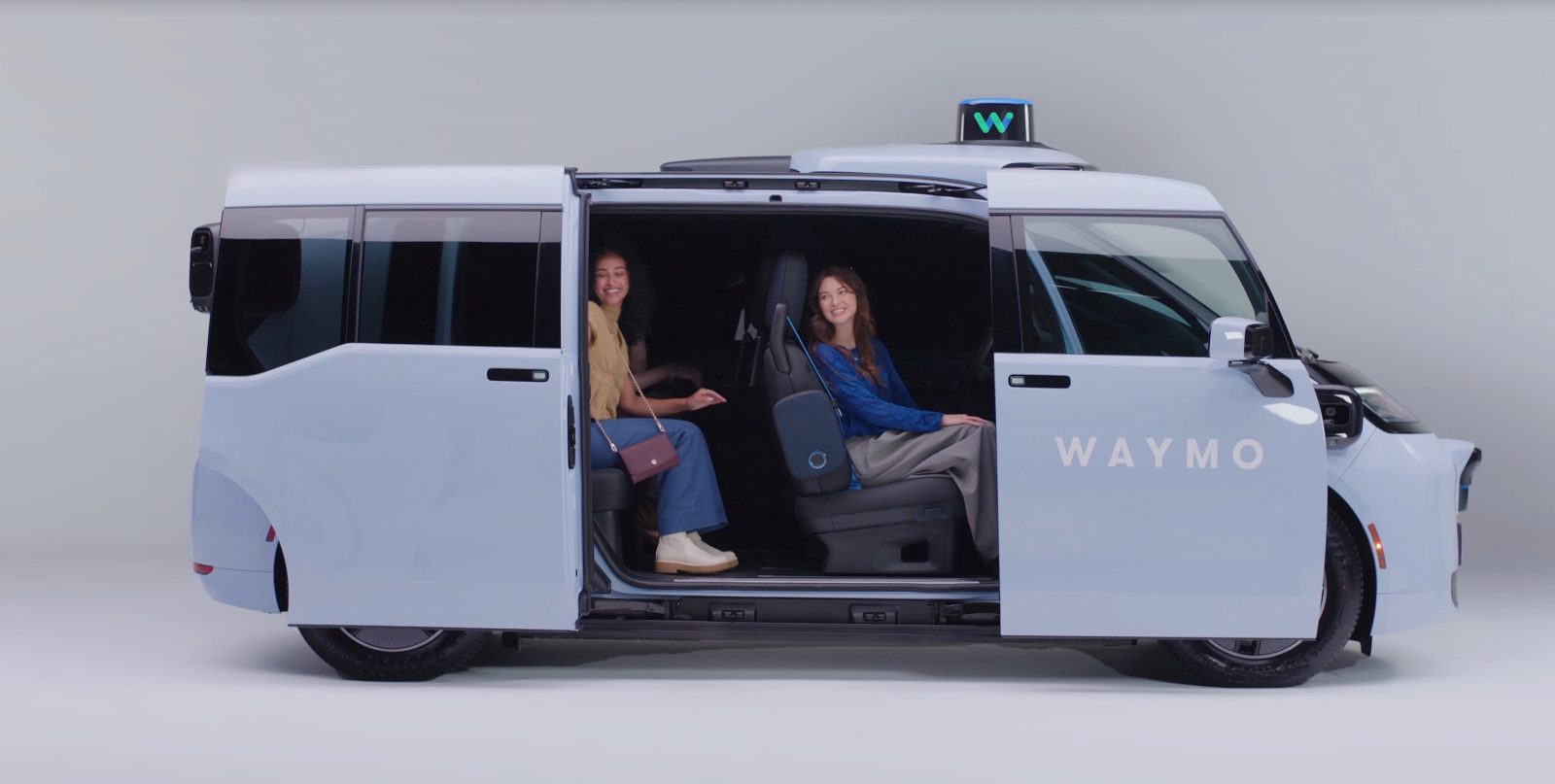
- The Ojai robotaxi, built on 6th-generation Driver hardware, marks Waymo's first purpose-built vehicle rather than a retrofitted consumer car, and the service area already exceeds 1,400 square miles across 11 US cities.
- Tesla's competing Robotaxi service, launched in Austin in June 2025, remains at roughly 20 driverless vehicles across 245 square miles, with any major fleet ramp tied to Full Self-Driving v15 targeted for late 2026 or early 2027.
Why it matters: Waymo is converting test programs in four cities into live commercial service while its closest US rival, Tesla, operates a fraction of the fleet in a single metro. The Las Vegas activation plus three queued cities shows the Alphabet unit translating $16 billion in fresh capital into weekly ride volume at a pace Tesla has not matched, and it puts real pressure on Tesla's late-2026 FSD v15 timeline.


