The PAC taking out clean energy opponents — SkimNews

Get the Energy newsletter
Daily energy & climate — solar, EVs, oil, the policy fights and tech bets shaping the transition. Free.
- Invest in Tomorrow Coalition says its six primary interventions all succeeded, helping defeat Republican U.S. Reps. Chip Roy, Andy Ogles and Ralph Norman—twice in Norman’s case—plus Rhode Island Democratic Gov. Dan McKee, who blamed clean energy for rising power costs.
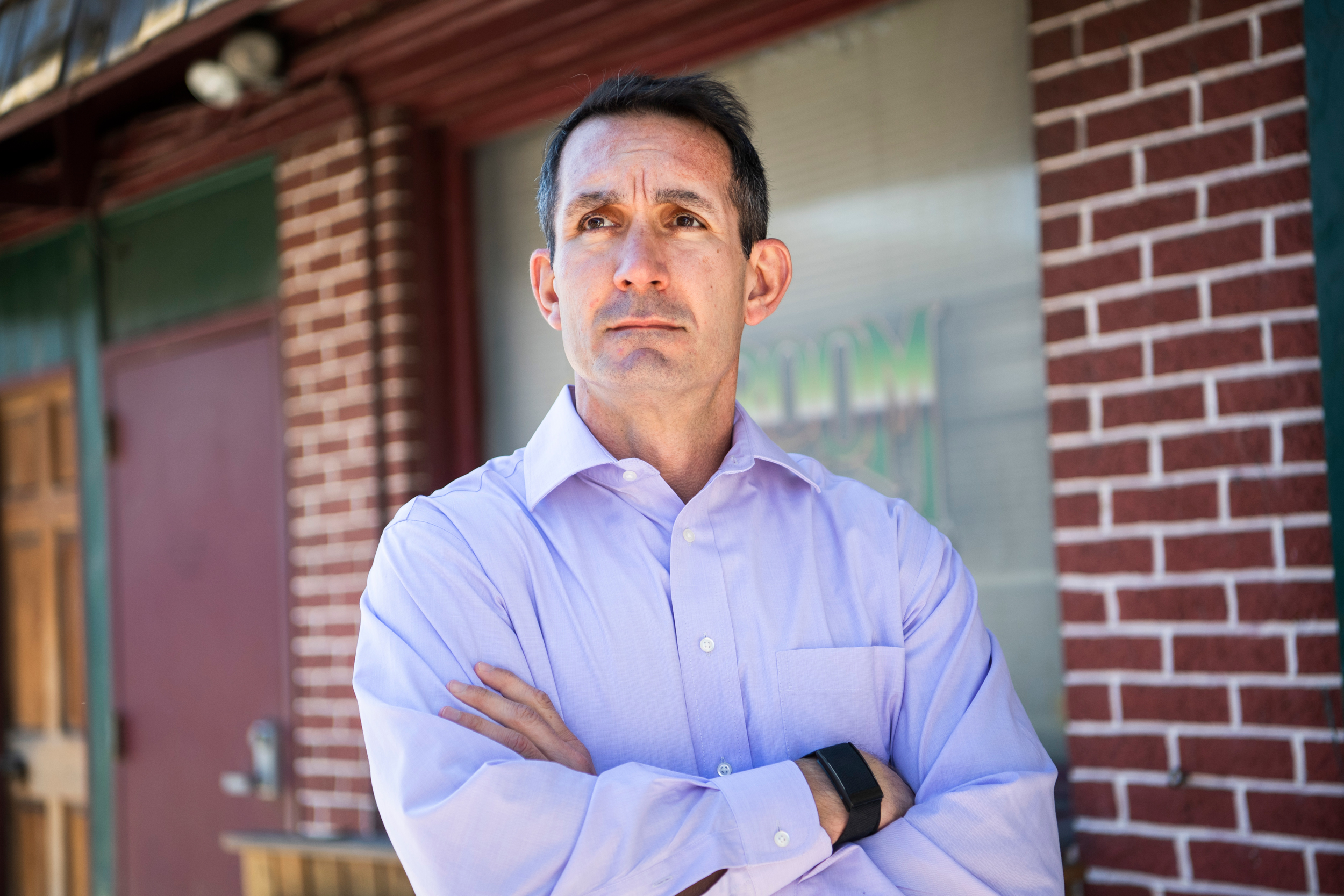
- Invest in Tomorrow Coalition is spending at least $15 million against seven Republican House candidates in the fall midterms, while Tom Matzzie says general-election races will be harder than the primaries.
- Invest in Tomorrow Coalition says most of its ads never mention energy, instead attacking candidates’ other weak spots rather than defending renewable policy.
- Tom Matzzie says the PAC’s core strategy is perception: clean energy must look dangerous enough to deter Congress, a change he describes as becoming a lion rather than a gazelle.
- Aligned Climate Capital began phone-banking clean-energy investors on the super-PAC response after last year’s Republican budget gutted wind and solar tax credits; investor Chris Larsen became one of the coalition’s largest funders.
- Invest in Tomorrow Coalition chose races to fill a weekly or biweekly news hole, so reporters and congressional chiefs of staff would remember the campaign’s work and power.
- Tom Matzzie says ITC can inflict damage without $200 million and treats unpredictable spending as part of the myth of power, helping it avoid appearing like a conventional partisan army.
Why it matters: The seven Republican House candidates facing $15 million in opposition spending are the immediate pressure point, while six primary victories—including three GOP reps who led the fight against renewable tax credits—give clean-energy donors a demonstrated record of electoral leverage. That record turns an industry long described as politically weak into a concrete reelection threat.
Ask SkimNews