Astronaut Gut Bacteria Shift to Protein Fermentation in Space — SkimNews
Get the Health newsletter
Daily health & science — research, biotech, public health, the studies worth knowing. Free.
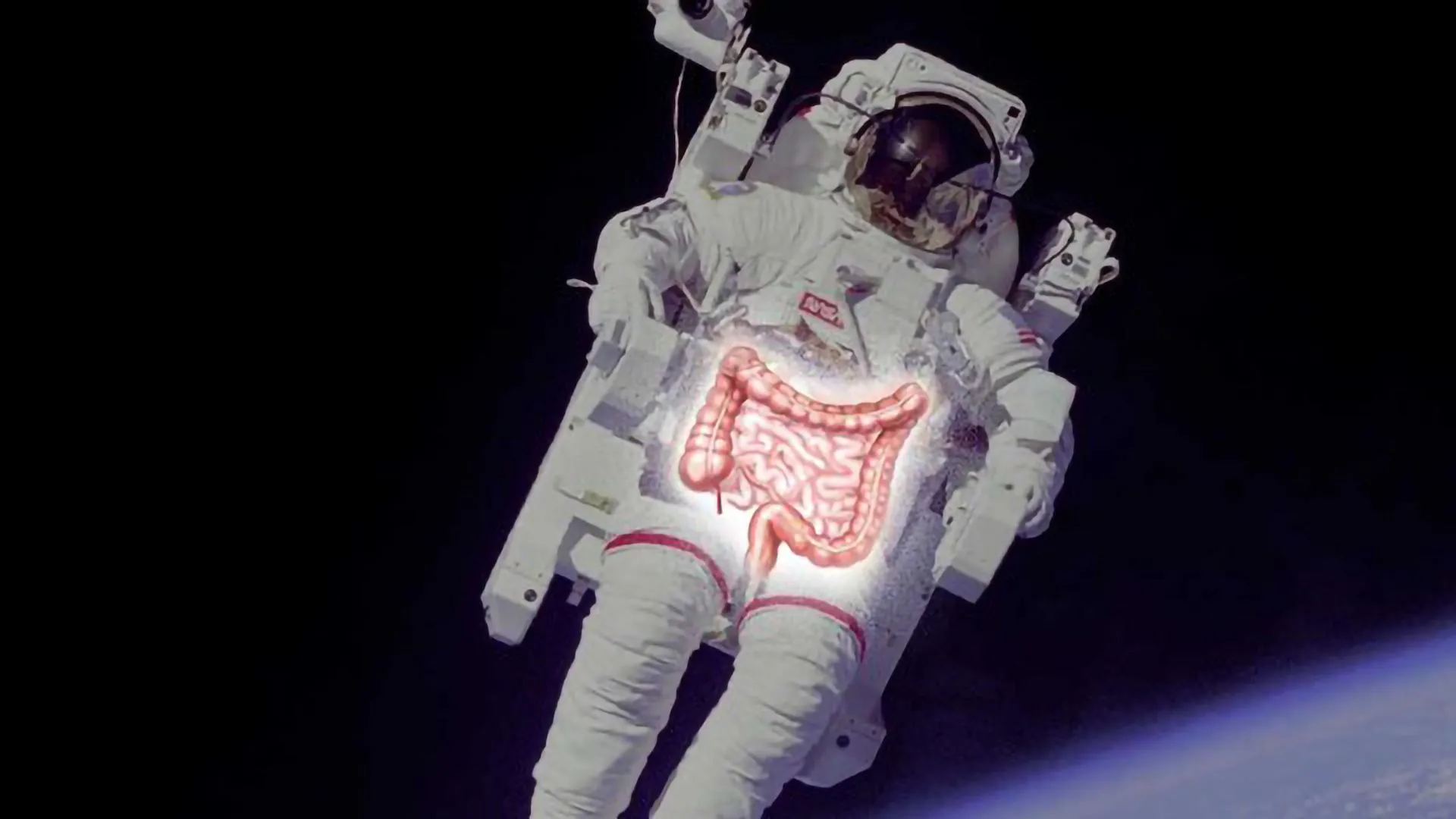
- University of Copenhagen researchers, working with NASA, analyzed blood samples from 52 astronauts across multiple ISS missions and found gut bacteria begin fermenting protein at elevated rates within weeks of arriving in space, a shift that persists until return to Earth.
- Microgravity likely slows intestinal transit, giving gut bacteria extra time to break it down after available fiber runs out — a mechanism the team says explains the high rates of constipation astronauts report.
- Protein fermentation byproducts circulating in the bloodstream have been linked to kidney damage, mood effects, and reduced concentration via the gut-brain axis, according to researchers Lars Ove Dragsted and Henrik Roager.
- NASA scientists Sara R. Zwart and Scott M. Smith contributed to the study, published in Nature Communications, which used a non-targeted metabolomics scan across blood samples drawn from three separate ISS investigations over many years.
- The team proposes countermeasures — prebiotics, increased dietary fiber, or treatments that promote peristalsis — to shorten gut transit time and reduce protein fermentation on missions far longer than current ISS stays.
- Researchers say the same protein-fermentation pattern likely operates in bedridden patients on Earth, whose slowed intestinal movement produces similar constipation, opening a translational application beyond spaceflight.
Why it matters: For upcoming Moon and Mars missions lasting far longer than current ISS stays, the researchers explicitly call for countermeasures — dietary fiber, prebiotics, or peristalsis-boosting treatments — to mitigate digestive-system damage during transit. The same protein-fermentation pattern appears in bedridden patients on Earth, pointing to a translational payoff from space biology to hospital care.
Ask SkimNews