Hedge Funds Raise Bond Market Shock Risk: BoE — SkimNews

Get the Finance newsletter
Daily finance — markets, central banks, M&A, the prints that move money. Free.
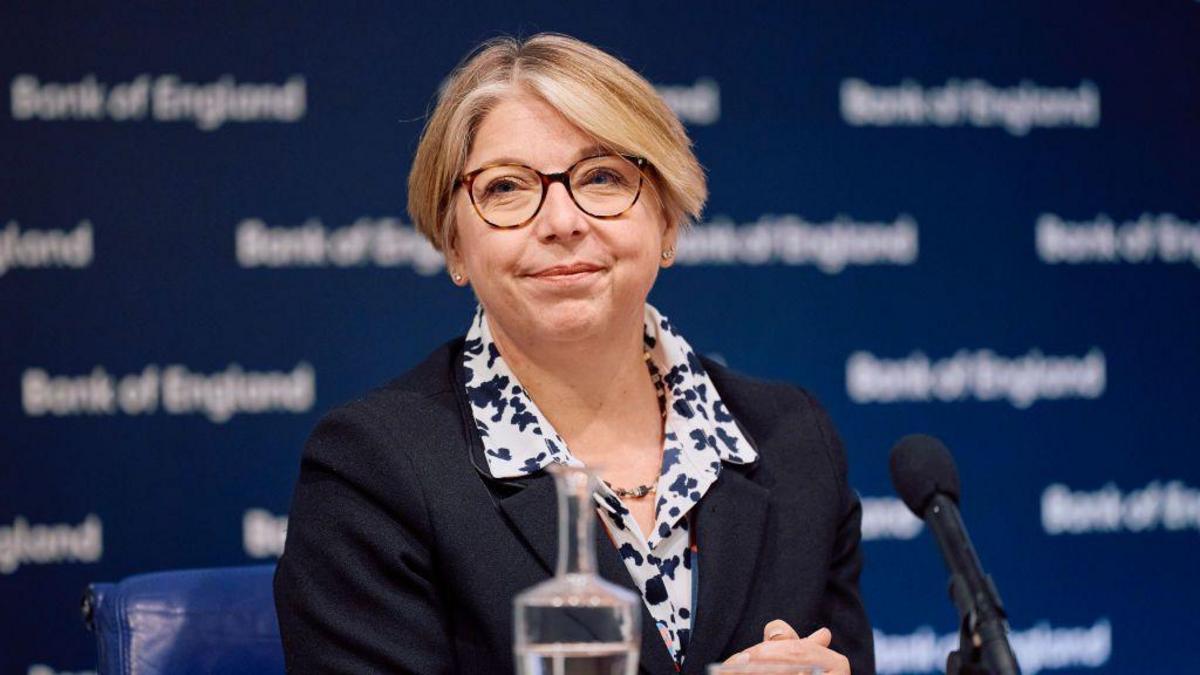
- Sarah Breeden, Bank of England deputy governor for financial stability, told CNBC that hedge funds' increased presence in global bond markets makes a broader market shock "greater than what it was."
- Breeden said the investor base in core government bond markets has shifted from insurance companies and pension funds to "price-sensitive, leveraged, international" hedge funds, raising the odds that shocks transmit across markets.
- The IMF's Global Financial Stability Report put hedge fund gross assets at about $13 trillion and warned that leverage and crowded trades could "turbo-charge" market stress in times of turmoil, with potential spillovers to bank prime brokerage units.
- Hedge funds held a record 7% of the $30 trillion Treasury market at the end of 2025, per U.S. Office of Financial Research data published Aug. 19.
- Basis trades — long cash Treasurys paired with short futures positions — have drawn sharper scrutiny this year, with hedge funds using large amounts of leverage to amplify small price differentials.
- 10-year and 30-year Treasury yields hit their highest levels since 2002 earlier this month, while UK gilt yields touched multi-decade highs and France's OAT yields moved sharply higher on fiscal concerns.
Why it matters: Both the BoE and IMF are flagging that the structural shift in bond market participants — from buy-and-hold insurers and pension funds to leveraged hedge funds running basis trades — means even modest sovereign yield moves now pass through more leveraged intermediaries, with the IMF naming bank prime brokerage businesses as the conduit for spillovers.
Ask SkimNews