US Treasury Buys Yen in First Joint Intervention Since 1998 — SkimNews
Get the Finance newsletter
Daily finance — markets, central banks, M&A, the prints that move money. Free.
- The US Treasury intervened in yen markets on Friday by selling euros to buy yen through the New York Fed, executed via Goldman Sachs and Morgan Stanley — the first joint US-Japan currency purchase in nearly three decades.
- Japanese authorities likely spent ¥8.45tn ($52.8bn) on Thursday's separate intervention, according to analysts using official data and broker estimates, which helped the yen strengthen roughly 4% against the dollar that day.
- The Bank of Japan held rates at 1% on Friday, but Governor Kazuo Ueda warned the central bank could not "fall behind the curve" and signaled the need to address upside inflation risks at future meetings.
- Currency traders raised bets on a BoJ rate hike, pricing a roughly 40% chance of a quarter-point increase in September, up from 30% earlier in the week, according to derivatives markets.
- The yen had hit its weakest level against the dollar since 1986 on July 23 near ¥164, driven by investor fears over oil prices and Prime Minister Sanae Takaichi's fiscal stimulus plans, before Friday's intervention pushed it to ¥157.57.
- Japan's Vice Minister of Finance Atsushi Mimura acknowledged the US was providing support "beyond mere moral support," confirming the depth of the unprecedented US-Japan coordination.
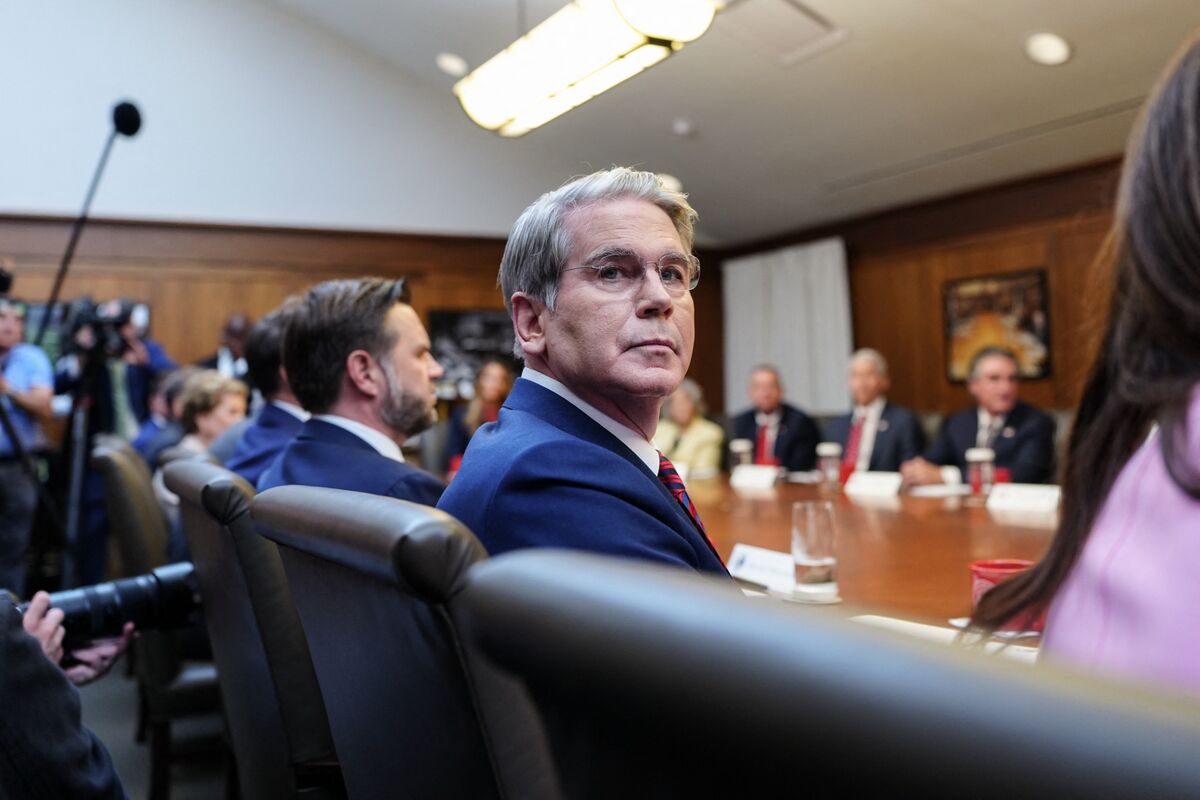
- Treasury Secretary Scott Bessent publicly framed the relationship with the BoJ as warm, posting on X about looking forward to seeing his "longtime friend" Governor Ueda at the August G20 finance ministers' meeting in North Carolina.
Why it matters: The coordinated US-Japan intervention delivered the yen a 1.9% boost to ¥157.57 on Friday, and analysts say US backing improves the odds of those gains holding in the short term. But lasting support still requires BoJ rate hikes — and one Asian banker noted clients are already testing Tokyo's resolve with yen short positions targeting ¥162, while a widely expected Fed rate hike could keep pressuring the pair.
Ask SkimNews