OpenAI proposes AI‑tax, 4‑day workweek; DC reaction — SkimNews

Get the Tech newsletter
Daily tech — startups, AI labs, chips, the launches that shape the next decade. Free.
- OpenAI published a 13‑page policy paper on Monday outlining AI’s impact on the U.S. workforce and proposing higher capital‑gains taxes on corporations that replace workers with AI.
- OpenAI’s proposal includes a public wealth fund, a four‑day workweek financed by “efficiency dividends,” and government programs to transition workers into “human‑centered” jobs, all funded by AI‑generated abundance.
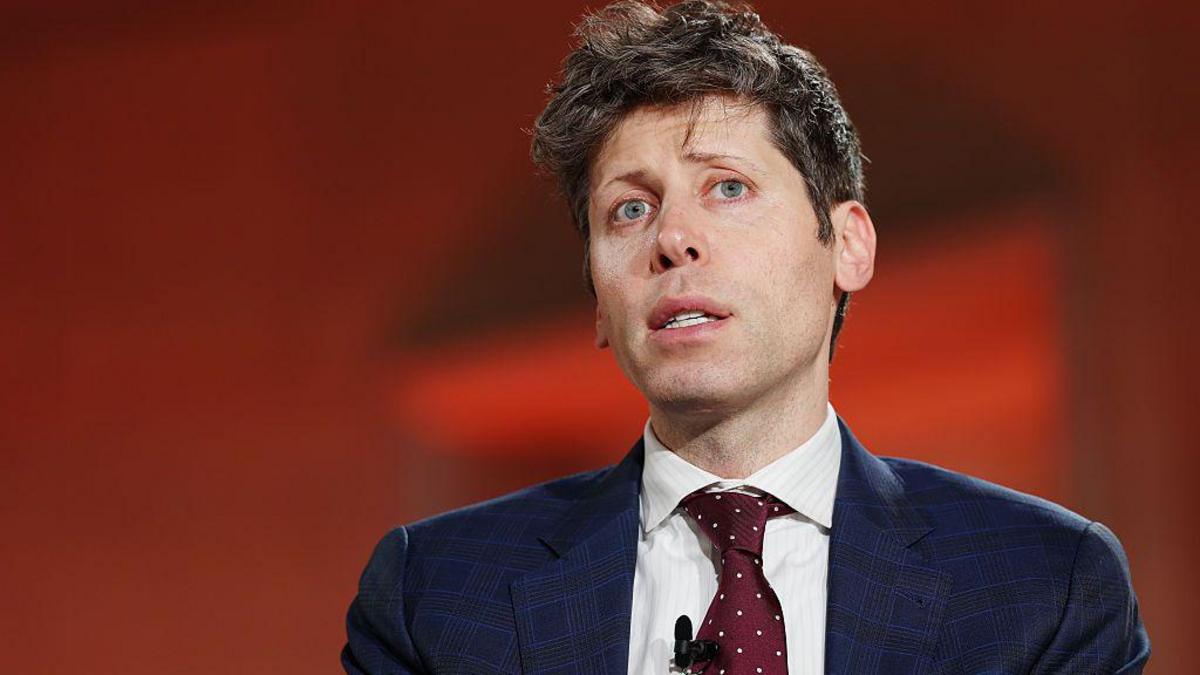
- The New Yorker released a 17,000‑word article the same day detailing Sam Altman’s pattern of misleading investors, employees, board members, and lawmakers.
- Sam Altman publicly advocated for a federal AI oversight agency in 2023 while privately working to suppress safety legislation, according to the New Yorker report.
- California state officials accused OpenAI of “cunning, deceptive behavior” to kill a 2023 AI safety bill, and in 2025 the company subpoenaed supporters of a California AI bill to intimidate them.
- Nathan Calvin, general counsel at the AI policy nonprofit Encode, described OpenAI’s policy‑and‑government‑affairs engagement as “abysmal,” expressing skepticism about the company’s future commitment to its proposals.
- MIRI CEO Malo Bourgon said the authors of the policy paper likely care about its ideas but warned that past OpenAI staff have become disenchanted after the company’s values diverged from its stated principles.
Why it matters: If enacted, the capital‑gains tax and efficiency‑dividend fund would shift corporate tax burdens onto firms automating jobs, potentially funding a four‑day workweek and worker‑transition programs, while critics argue OpenAI’s track record of lobbying and intimidation may undermine the credibility of its proposals.
Ask SkimNews