Iran-US Hormuz terms contradict despite ceasefire — SkimNews

Get the Geopolitics newsletter
Daily geopolitics — wars, elections, sanctions, the diplomatic moves that move markets. Free.
- Trump offered to "suspend" attacks on Iran for two weeks if Iran agreed to a "COMPLETE, IMMEDIATE, and SAFE OPENING of the Strait of Hormuz" — terms Iran's leadership said Tuesday it accepted.
- White House press secretary Karoline Leavitt said the ceasefire requires the strait's "free, safe and immediate reopening" "without limitation, including tolls," and the US would "hold" Iran to that.
- A senior Iranian official told Reuters Iran could open the strait "limited, under Iran's control" on Thursday or Friday, and the Iranian Oil, Gas and Petrochemical Products Exporters' Union told the Financial Times it would charge a $1-per-barrel toll in cryptocurrency.
- The Wall Street Journal reported Iran told mediators it would cap passage at roughly 12 ships per day and collect fees during the ceasefire.
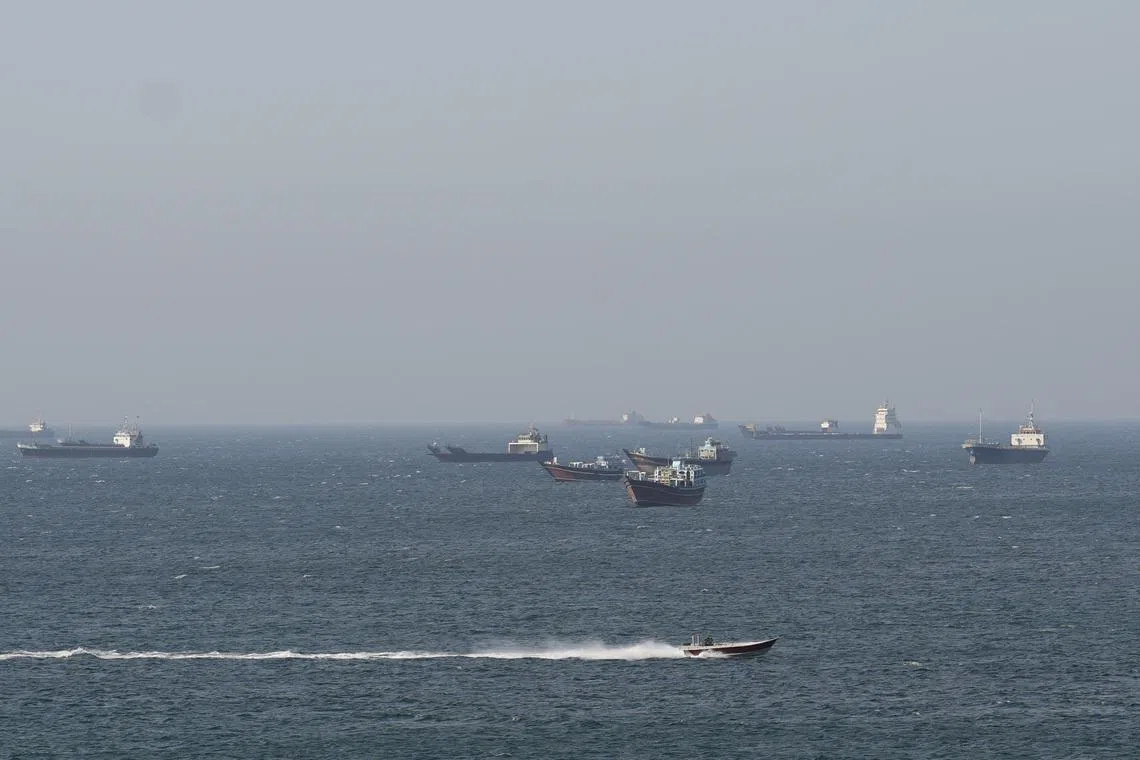
- Ship-tracking service Marine Traffic reported two vessels successfully traversed the strait early Wednesday, suggesting partial movement even as the diplomatic gap widened.
- Iran may have closed the strait entirely Wednesday after Israel struck more than 100 Hezbollah-linked sites in Lebanon, which Netanyahu's office said is not part of the ceasefire — a position Vice President Vance later backed.
- Leavitt dismissed reports the strait was closed as "false" and called it "a case of what they're saying publicly is diffe[rent]" — a sentence cut off in the published article.
Why it matters: The Strait of Hormuz carries about 20 percent of the world's oil, and Iran's spelled-out conditions — $1-per-barrel crypto toll, 12-ship daily cap, "limited, under Iran's control" access — preserve Tehran's leverage over a chokepoint it shut for six weeks despite a declared ceasefire. Global oil prices and shipping remain exposed to a negotiation standoff, not a resolved opening.
Ask SkimNews