Trump asks allies to escort ships as Hormuz closes — SkimNews

Get the Geopolitics newsletter
Daily geopolitics — wars, elections, sanctions, the diplomatic moves that move markets. Free.
- US and Israel have conducted military action since Feb 28 that has effectively closed the Strait of Hormuz to most nations’ shipping.
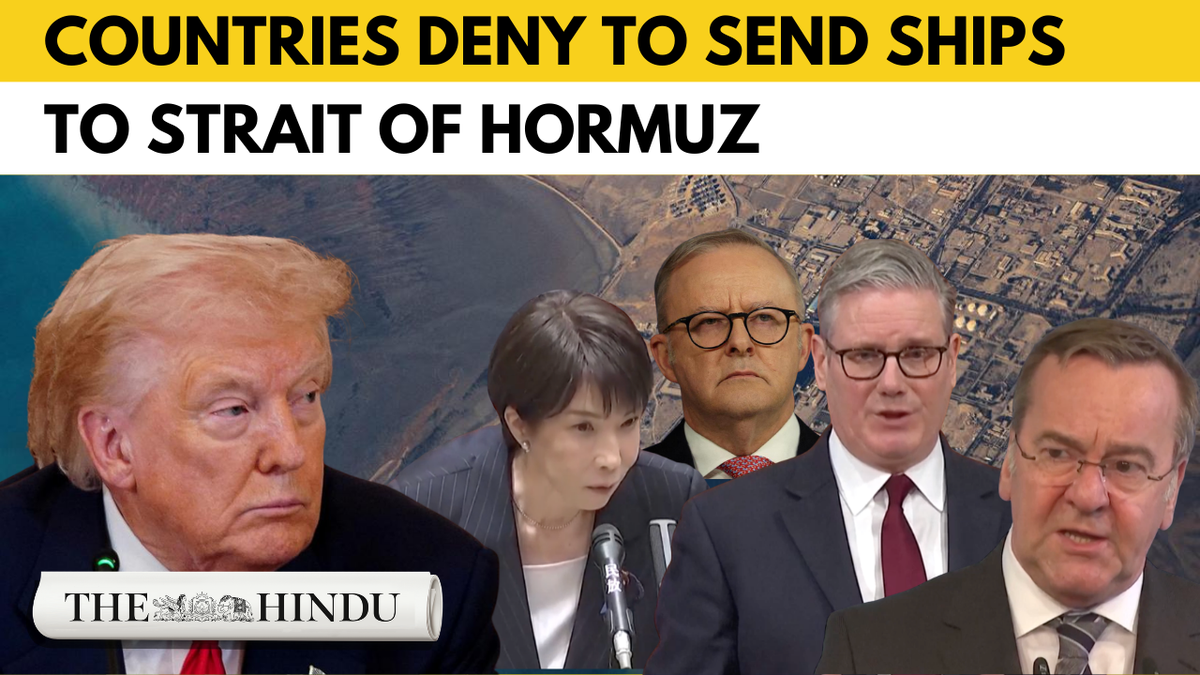
- Trump has asked major European nations and US Indo‑Pacific allies to join a ship‑escort operation, but several European powers and Australia have flatly rejected the request while China, Japan and South Korea remain neutral.
- UN Security Council has not authorized the conflict, so the US operation is deemed illegal under international law and third‑party nations lack legal justification to intervene.
- Iran has not officially suspended freedom of navigation but has attacked many ships in the strait and set up a vetting system for vessels from “friendly” countries, while still generally adhering to UNCLOS traffic‑separation schemes.
- International Energy Agency released emergency oil reserves on March 11, tempering claims of a global energy crisis.
- South Korea had its Patriot‑3 and THAAD batteries relocated to the Middle East without consultation, and now faces pressure to contribute naval assets to the Hormuz escort despite feeling “especially used” by Trump.
- U.S. Fifth Fleet should assume responsibility for ensuring freedom of navigation in the Hormuz Strait.
Why it matters: The closure threatens global oil and gas flows, while the US’s request for escorts forces reluctant allies—Europe, Australia, China, Japan, South Korea—to weigh legal risks and strategic costs, leaving shipping firms and energy markets exposed to price volatility despite IEA’s emergency reserves.
Ask SkimNews