Trump's China 2020 claim undercut by own CIA docs — SkimNews

Get the Geopolitics newsletter
Daily geopolitics — wars, elections, sanctions, the diplomatic moves that move markets. Free.
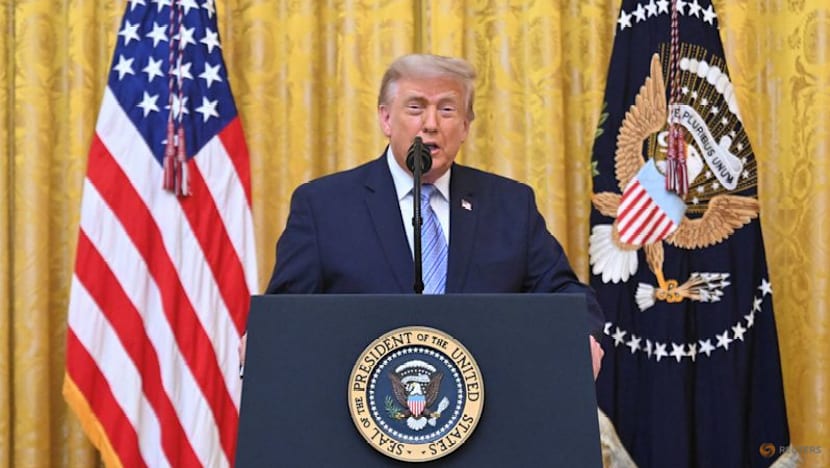
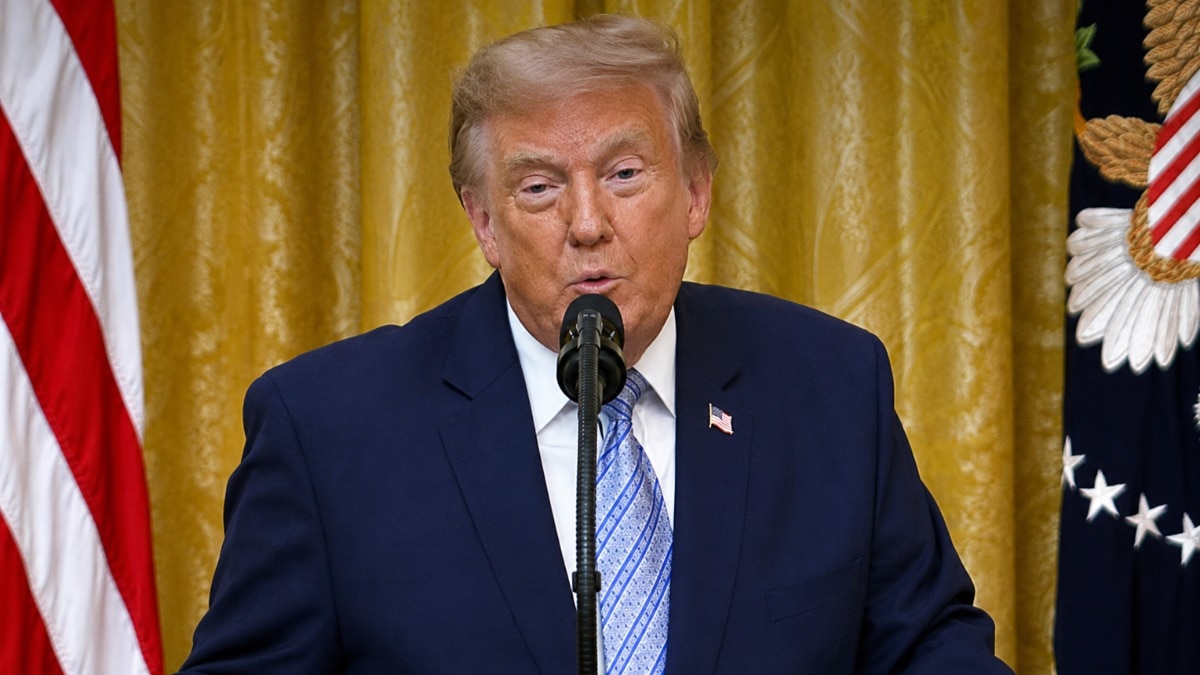
- Trump declassified intelligence in a 25-minute primetime address claiming China illicitly acquired 220 million U.S. voter files—including names, addresses, and registration data—and alleged the U.S. intelligence community deliberately suppressed the information.
- Trump's claims directly contradict a 2021 intelligence community assessment, conducted under his current CIA director John Ratcliffe, which found no evidence any foreign actor altered "any technical aspect" of the 2020 vote.
- Several of the declassified documents undercut Trump's narrative: one CIA document concerned Venezuela's election, another stated vote tabulation systems "would be difficult to manipulate on a wide enough scale to compromise election results," and a third CIA assessment noted Beijing "does not currently intend to covertly interfere" in the 2020 outcome.
- Two of three major U.S. broadcast networks and CNN declined to carry the primetime address on their primary platforms, departing from long-standing practice for major presidential addresses.
- Senate Intelligence Committee vice chair Mark Warner called the claims "totally bogus," and House Democrats sent a letter to intelligence agency leaders warning against allowing Trump to "weaponize intelligence to support false claims about election security."
- Chinese embassy spokesperson Liu Chang denied the allegations as something China "has never and will never" do—a statement that risks complicating Trump's planned September meeting with Xi Jinping on trade relations.
- Trump's address comes as he pressures Senate Republicans to pass the SAVE America Act requiring photo ID and proof of citizenship to register, while some GOP leaders have urged him to focus on living costs rather than relitigating 2020.
Why it matters: Trump's own declassified documents contradict the China-interference narrative, making the address more a political vehicle for the SAVE America Act than a genuine intelligence disclosure. With Republicans defending congressional majorities under underwater approval and voter frustration over the Iran war and energy prices, the speech risks distracting from the economic message GOP leaders want to emphasize.
Ask SkimNews