Trump declassifies China 2020 election docs contradicting US intel — SkimNews
Get the Geopolitics newsletter
Daily geopolitics — wars, elections, sanctions, the diplomatic moves that move markets. Free.
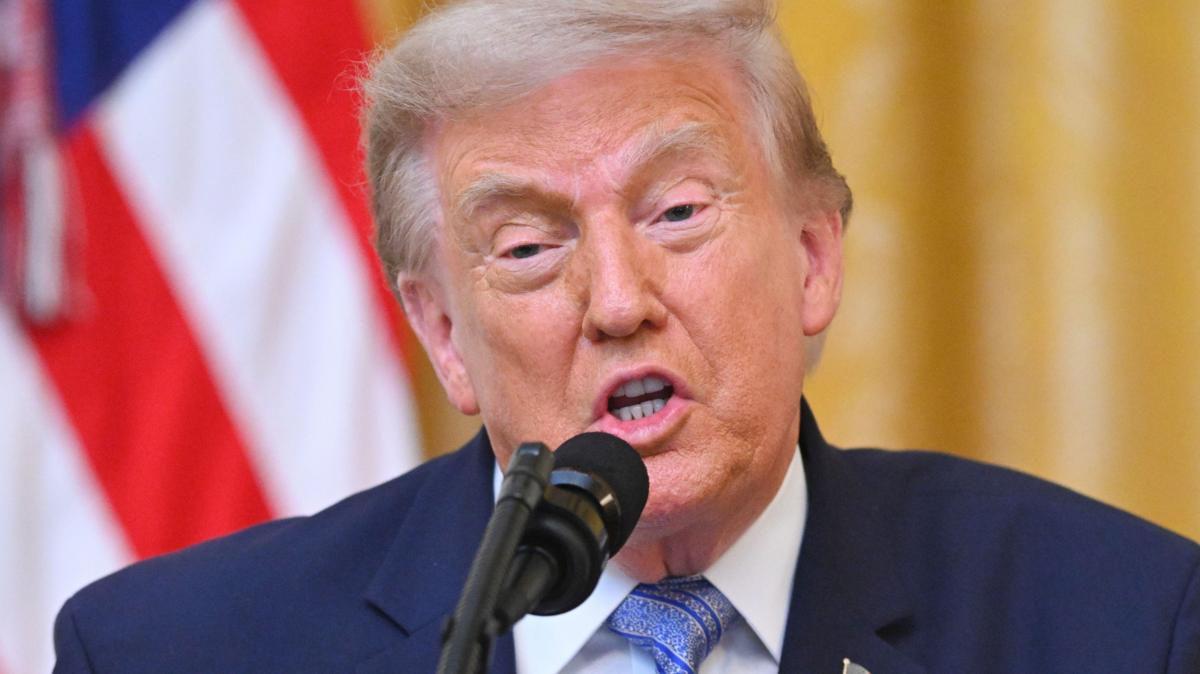
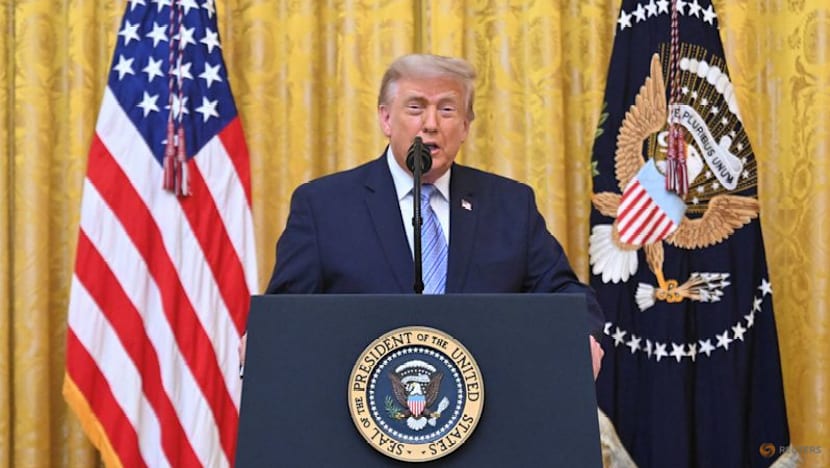
- Trump declassified intelligence on Thursday (Jul 16) in a 25-minute prime-time address, claiming documents revealed "shocking vulnerabilities" in US election infrastructure from Chinese activity.
- The released material alleged China acquired 220 million US voter files, but two people familiar with the matter told Reuters the data wasn't confidential — voter files are routinely purchased by political consultants — and could not be manipulated.
- Trump's claims directly contradict the unclassified 2021 intelligence community assessment, conducted under his now-CIA director John Ratcliffe, which found no foreign actor altered any technical aspect of the 2020 presidential election.
- Several of the declassified documents undercut Trump's narrative: one CIA report concerned Venezuela's election, not America's; another concluded vote tabulation systems "would be difficult to manipulate on a wide enough scale"; and a third said Beijing "does not currently intend to covertly interfere" in the US vote.
- Chinese embassy spokesperson Liu Chang rejected the allegations, stating "China has never and will never interfere in the presidential elections of the US," and some White House officials had warned that disclosing the China information could be misleading.
- Two of three major US TV networks plus CNN declined to broadcast the prime-time address, a departure from typical practice for major national addresses.
- The SAVE America Act, which would require photo ID to vote and proof of citizenship to register, has passed the House several times but stalled in the Senate, lacking the 60 votes needed to overcome a Democratic filibuster.
Why it matters: With Republicans defending slim congressional majorities in November and polls showing majorities opposed to the Iran war and unhappy with Trump's economic stewardship, his choice to anchor a rare prime-time address on a debunked 2020 election narrative — and the major networks' refusal to air it — signals a strategic gamble that some GOP leaders privately oppose.
Ask SkimNews