Iran: 'Deep Mistrust' of U.S. Persists Despite War Deal — SkimNews

Get the Geopolitics newsletter
Daily geopolitics — wars, elections, sanctions, the diplomatic moves that move markets. Free.
- Esmaeil Baghaei, Iran's foreign ministry spokesman, said at a Monday press briefing that Tehran still holds "deep mistrust" of the U.S. despite an agreed framework to end the war that began in late February, citing "long history of wrongdoing by American leaders."
- The framework deal commits the U.S. to releasing Iran's frozen assets abroad and paying reparations for war damages, which the ministry called "two essential points" of the agreement.
- Lebanon is named three times in the draft memorandum, which calls for ending the war on all fronts and respecting its sovereignty and territorial integrity; Baghaei demanded the U.S. ensure Israel also honors its commitments to Lebanon.
- The agreement is scheduled to be signed Friday in Geneva, Switzerland, with Tehran planning diplomatic visits to regional countries beforehand; the signing mechanism is set to be finalized "today and tomorrow."
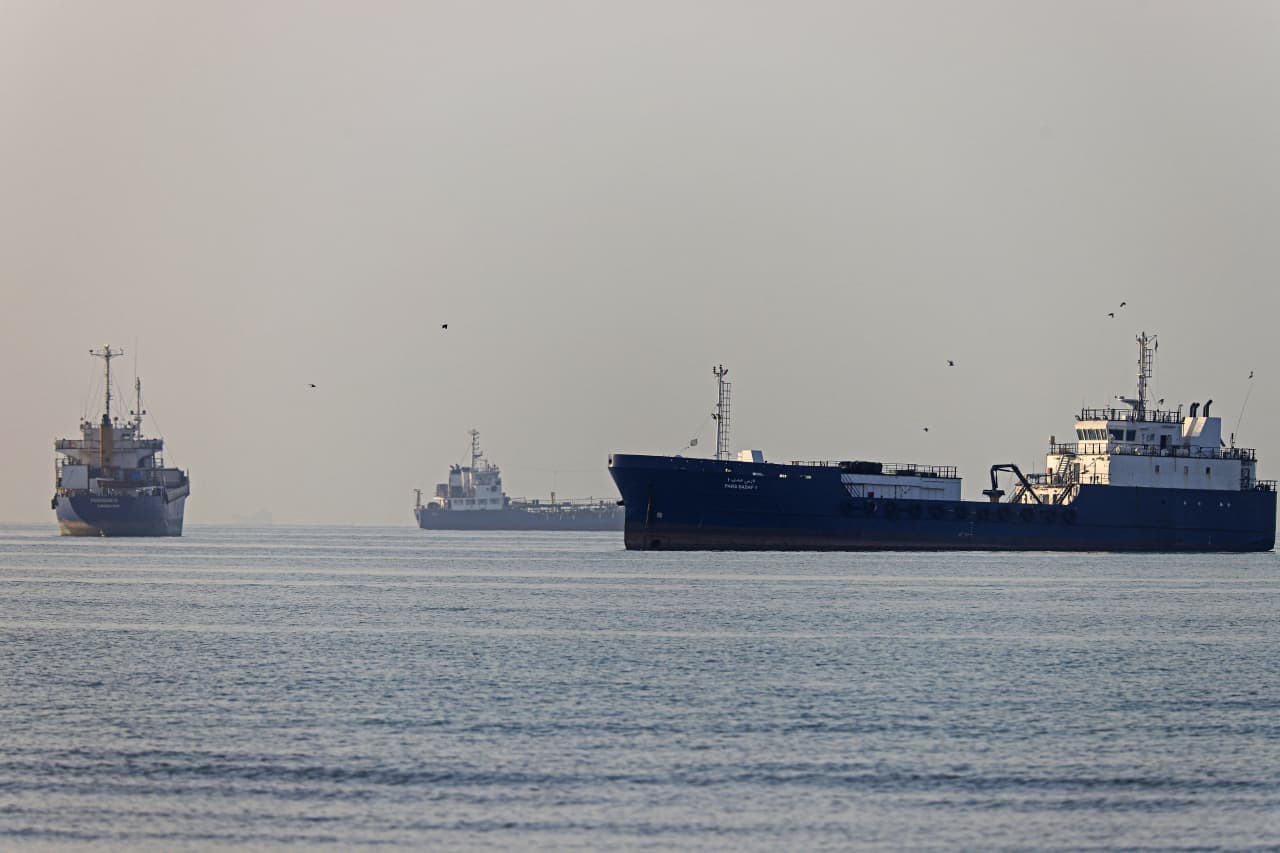
- Iran will charge maritime service fees — explicitly not transit tolls — on ships passing through the Strait of Hormuz, covering navigation services, environmental protection, and ship insurance.
Why it matters: The framework bundles three high-stakes, concrete items — release of frozen Iranian funds, war reparations, and a three-reference Lebanon clause — giving Tehran written insurance against any future U.S. reversal even as it publicly professes distrust. The Strait of Hormuz fee structure replaces the threat of closure with a regulated revenue stream, and the Friday Geneva signing will be the first tangible test of whether the framework holds. The gap between Baghaei's rhetoric and his detailed demands signals Tehran is negotiating from skepticism, not confidence.
Ask SkimNews