Fed Rate Hike Odds Hit 50-50 for September Meeting — SkimNews

Get the Finance newsletter
Daily finance — markets, central banks, M&A, the prints that move money. Free.
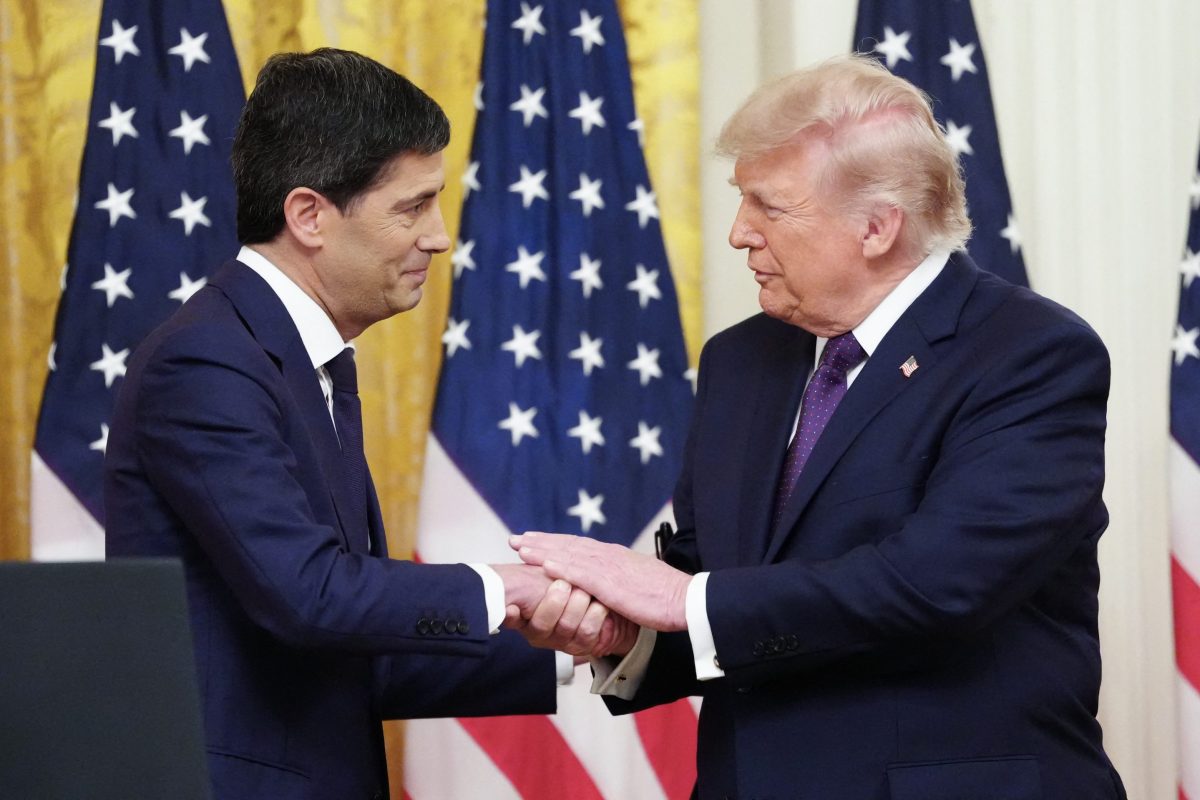
- Kevin Warsh was sworn in as the 17th Fed Chair on May 22, 2026, replacing Jerome Powell as Trump's handpicked successor, and scrapped forward-looking guidance from FOMC statements.
- Warsh declared "the Fed's predominant focus right now should be on prices," elevating price stability above the central bank's dual mandate of maximum employment.
- The CME Group's FedWatch Tool shows odds are exactly 50-50 that the FOMC will raise interest rates at its Sept. 15-16 meeting, according to data cited by the article.
- Trailing 12-month inflation hit a three-year high of 4.2% in May, driven by what the article terms "Trumpflation" — the combined effect of tariffs and the Iran war.
- Since 1990, the Fed has launched six rate-hiking cycles averaging 4.4 years apart, and the five quarter-point initial hikes led to S&P 500 losses one month later 100% of the time and three months later 80% of the time.
- The only time the Fed began a cycle with a 50-basis-point hike since 1990, the S&P 500 posted double-digit percentage declines at the three-, six-, and 12-month marks.
- Quarter-point initial hikes have historically been followed by the S&P 500 rising 100% of the time by the one-year mark, averaging a 12.5% gain, per Carson Investment Research data aggregated by Ryan Detrick.
- The article flags that an AI-driven rally could be exposed if borrowing costs rise, since the infrastructure build-out is partially debt-financed and elevated valuations could face pressure from higher capital costs.
Why it matters: Investors face a historical paradox: the S&P 500 has dropped within one month of every initial quarter-point Fed hike since 1990, yet finished higher 100% of the time one year later with an average 12.5% gain. The size of the move matters — the lone 50-basis-point starter triggered double-digit S&P 500 declines at every horizon measured.
Ask SkimNews