Iran Cease-Fire Spurs Fed Rate Cut Hopes — SkimNews
Get the Finance newsletter
Daily finance — markets, central banks, M&A, the prints that move money. Free.
- Wall Street economists predict the Federal Reserve will cut interest rates at least once before year-end, citing a fragile cease-fire in the U.S.-Iran conflict and falling oil prices as key factors
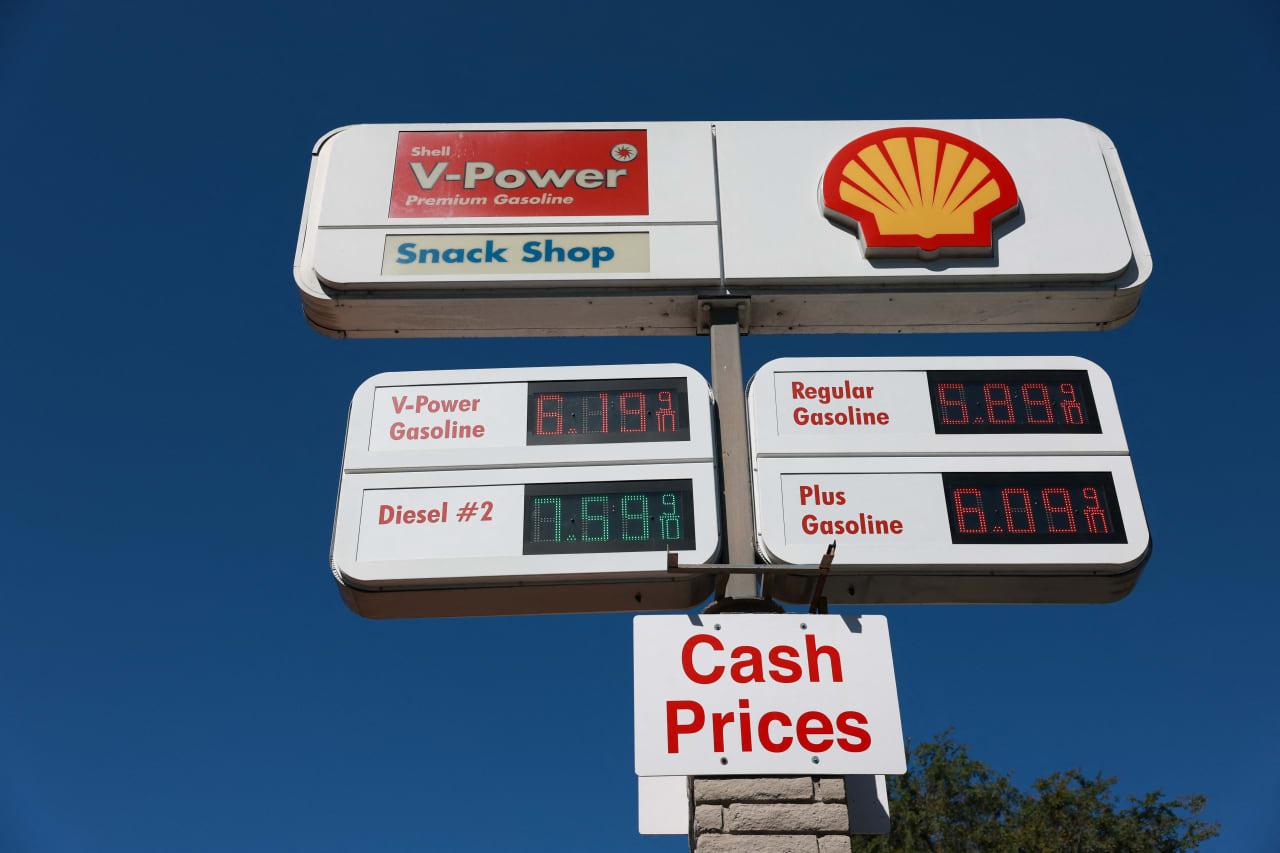
- Oil prices have dropped 27% to $82 a barrel from a four-year high of nearly $113, following a cease-fire and the reported reopening of the Strait of Hormuz to oil-tanker traffic
- Federal Reserve policymakers are expected to prioritize the core PCE inflation rate, forecast to rise to 3.2% in March, over headline inflation, which could reach 3.7% by June due to energy costs
- Citibank economists argue the Fed will cut rates three times in 2026 if oil prices continue to decline, aiming to stimulate a stagnant labor market and boost housing demand
- U.S. economy has become less vulnerable to oil shocks due to improved energy efficiency, a shift to service-sector dominance, and increased domestic production along the Gulf Coast
Why it matters: Lower oil prices could reduce headline inflation by summer, giving the Fed room to cut rates even if core inflation remains above 3%. This benefits borrowers and housing markets but depends on a stable cease-fire—any resurgence in conflict would reverse the gains, making rate cuts uncertain despite current optimism.
Ask SkimNews